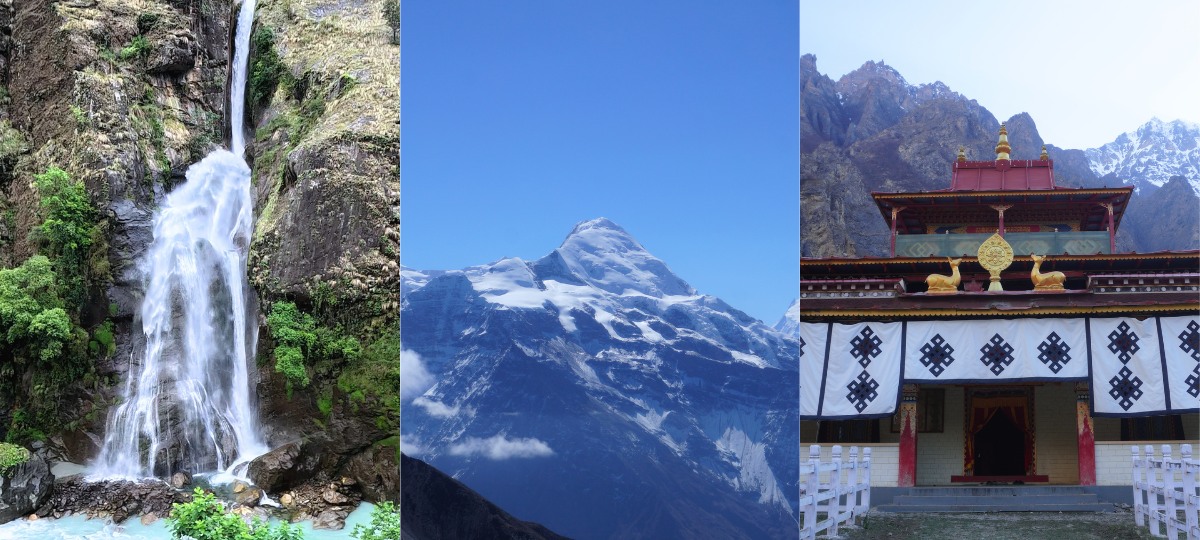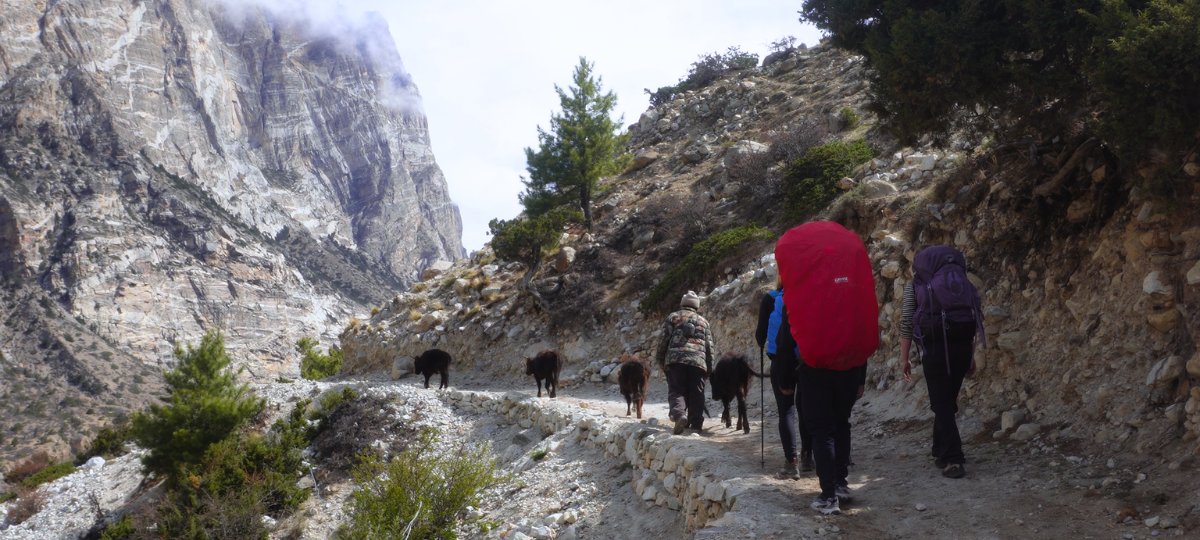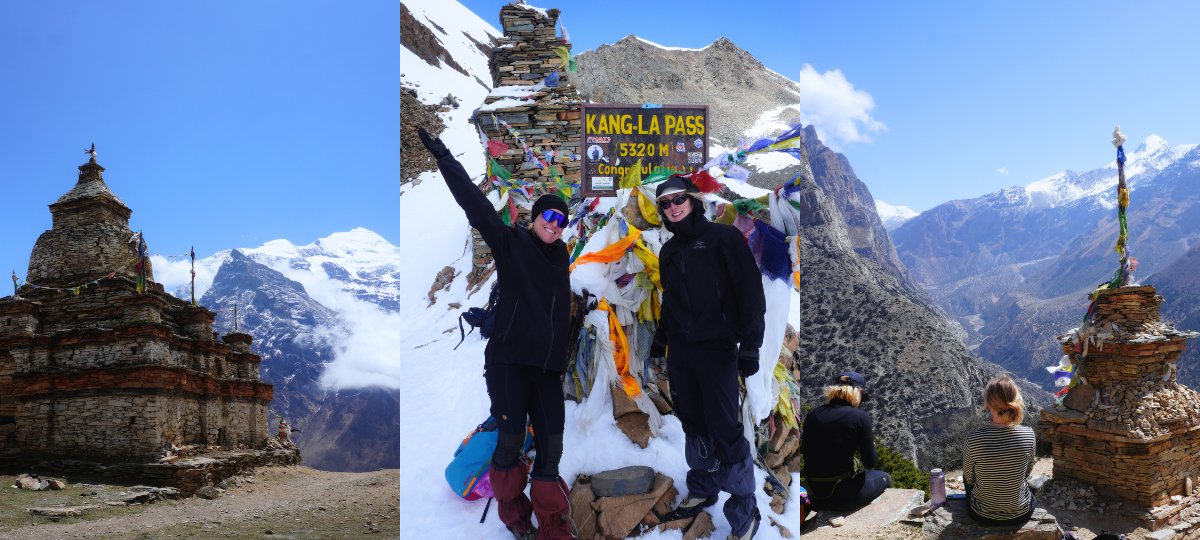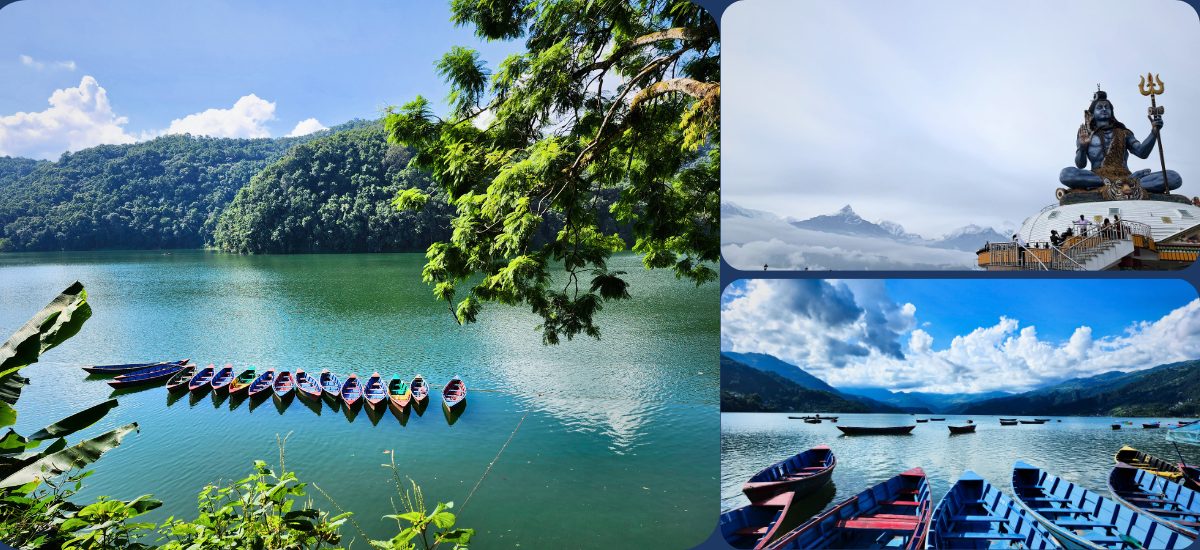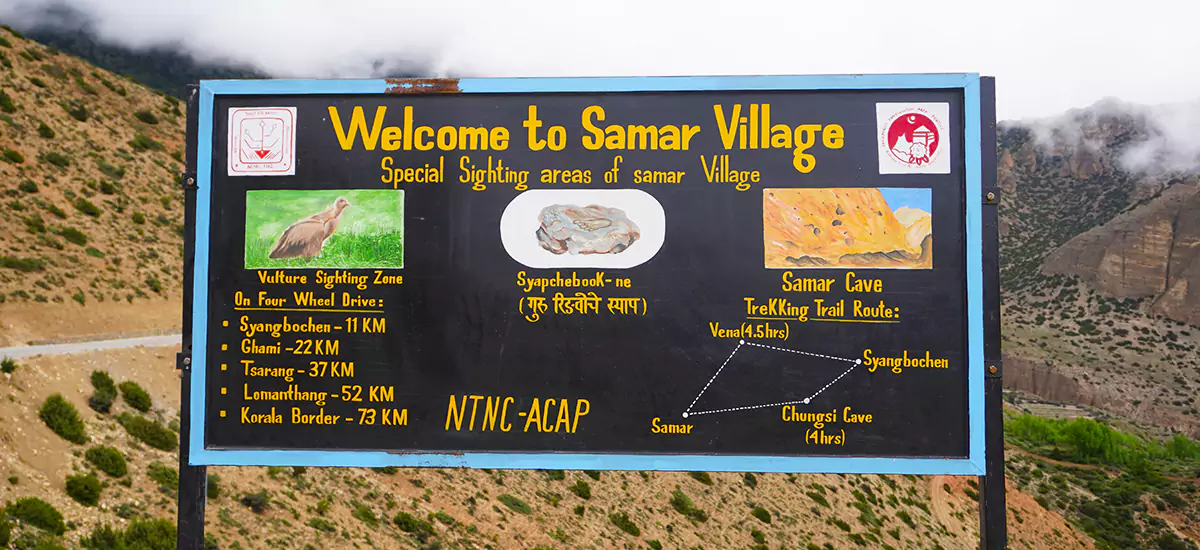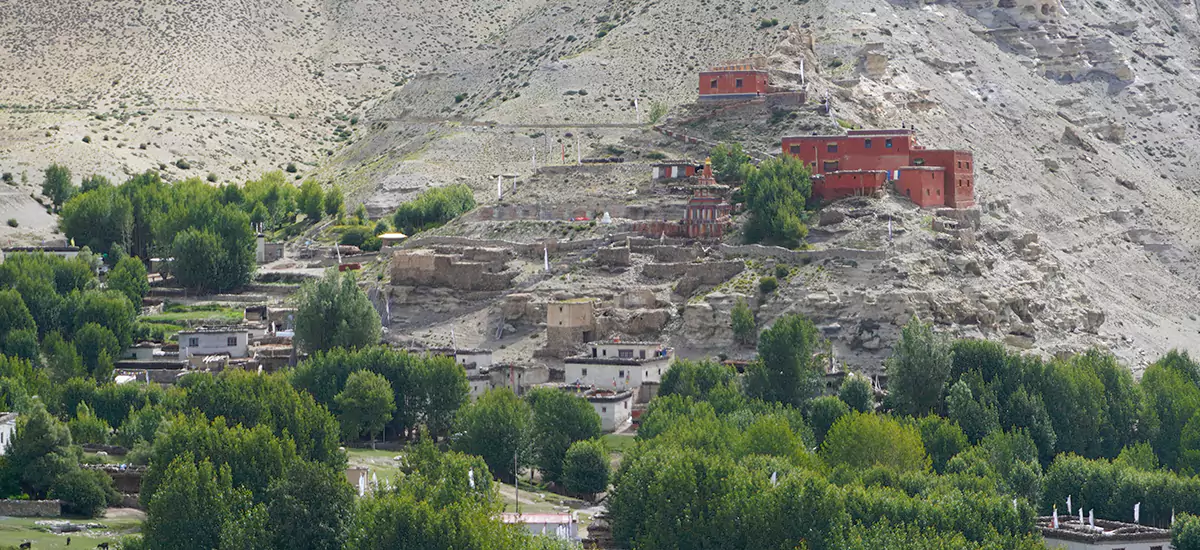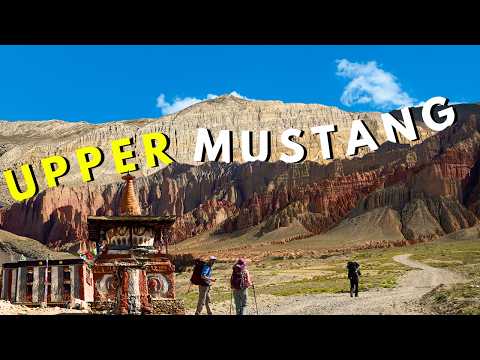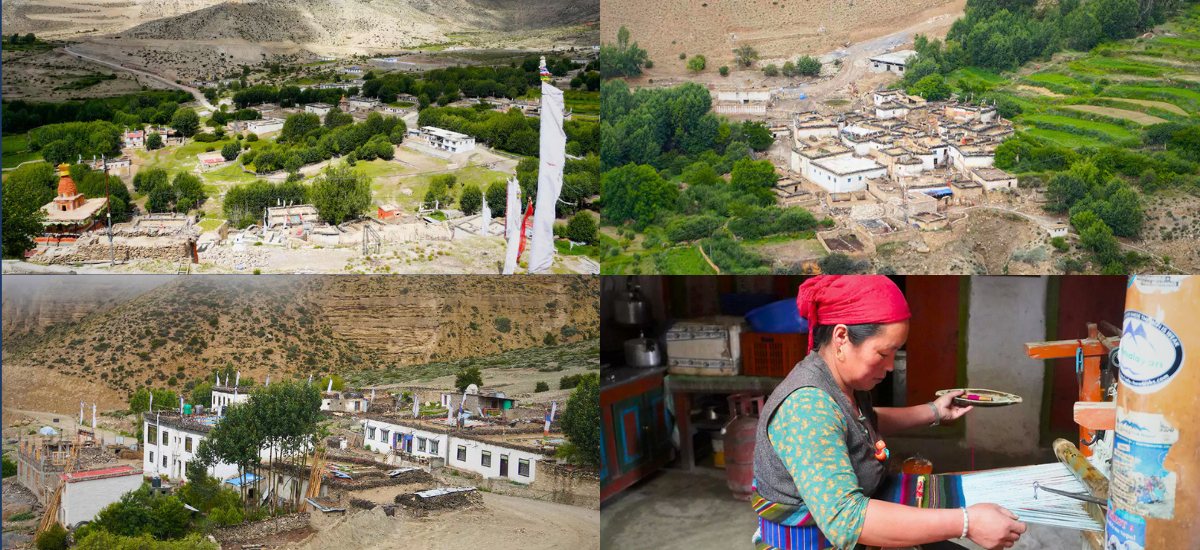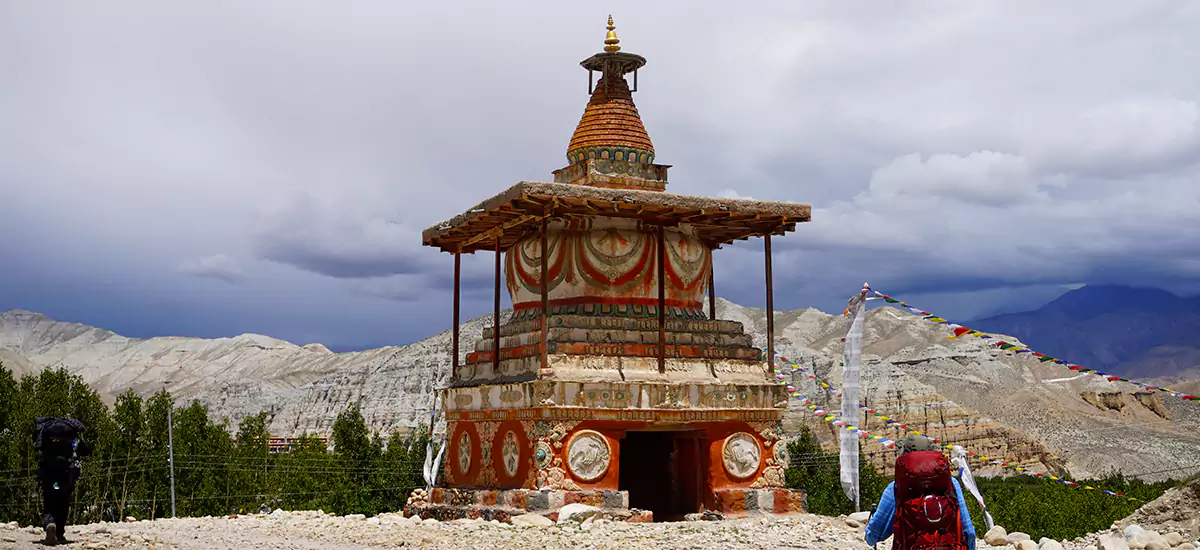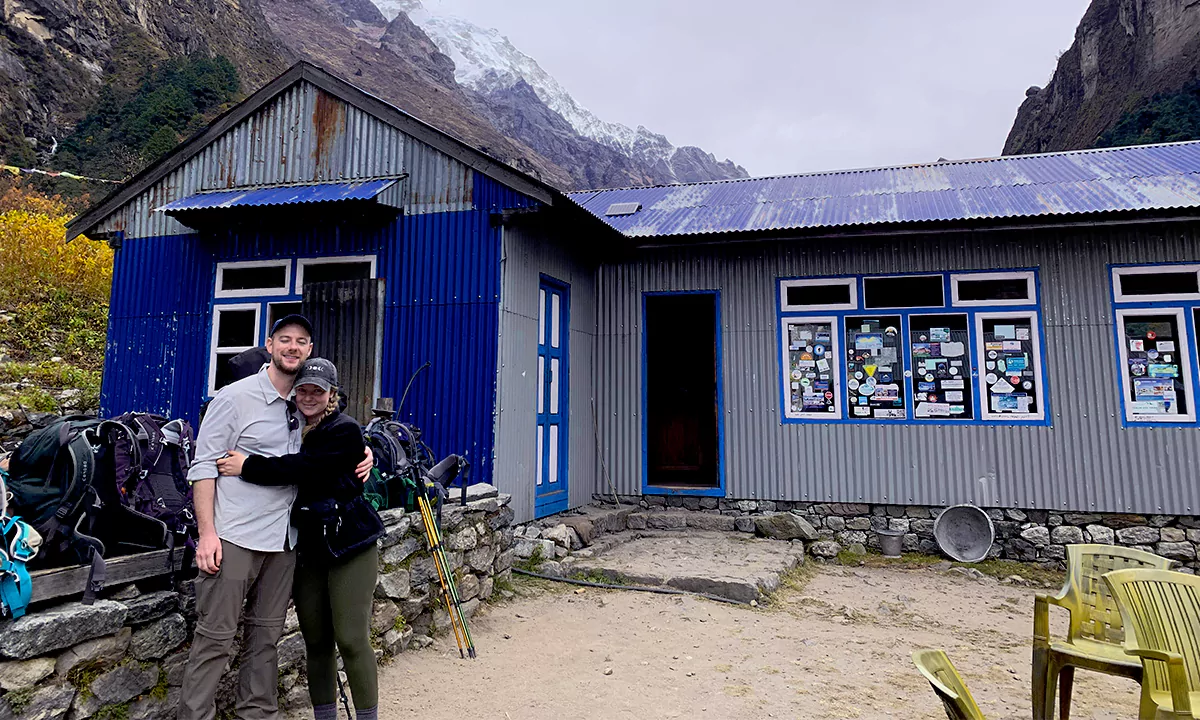
Known as the Last Forbidden Kingdom of Nepal, Upper Mustang is one of the most unique trekking destinations in the Himalayas.
Unlike many popular trekking routes in Nepal that pass through dense forests, green hills, and close-up mountain scenery, Upper Mustang offers a completely different experience. This remote region is famous for its dramatic desert landscapes, colorful cliffs, ancient caves, and centuries-old Tibetan Buddhist culture.
Walking through Upper Mustang feels like stepping into another world, where traditional villages, historic monasteries, and vast open valleys create a trekking experience unlike anywhere else in Nepal.
The combination of breathtaking landscapes, rich cultural heritage, and a unique trans-Himalayan environment is what makes Upper Mustang truly special.
Where is Upper Mustang
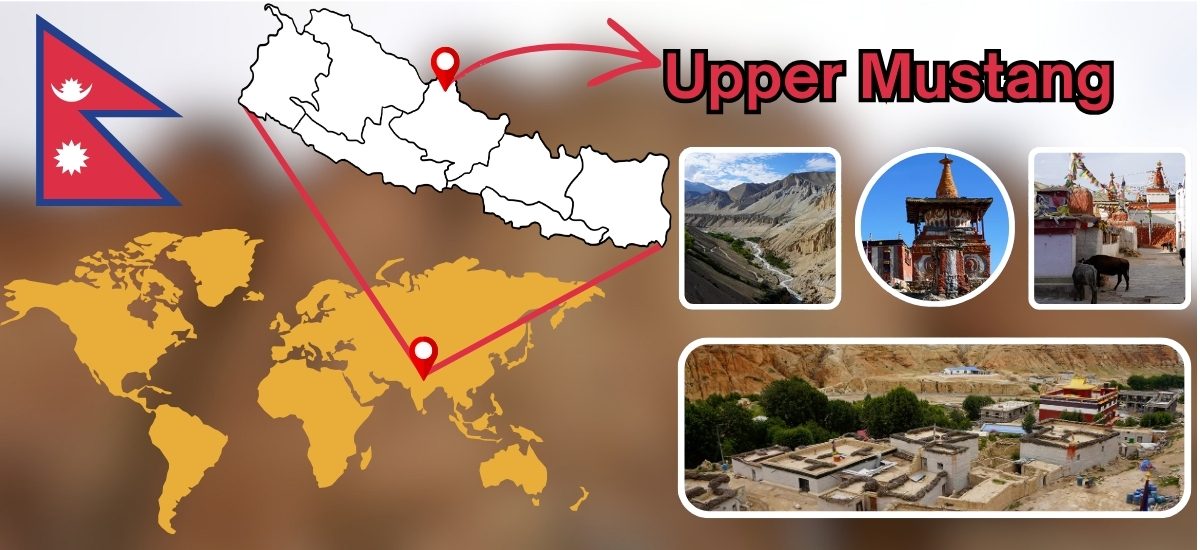
Upper Mustang lies in the northern part of Nepal, within the Mustang District, close to the border with Tibet, China. Located in the trans-Himalayan region, it sits on the northern side of the Annapurna and Dhaulagiri mountain ranges.
One of the most unique features of Upper Mustang is its location within the Himalayan rain shadow zone. The massive mountain ranges block most of the monsoon clouds, resulting in very little rainfall throughout the year.
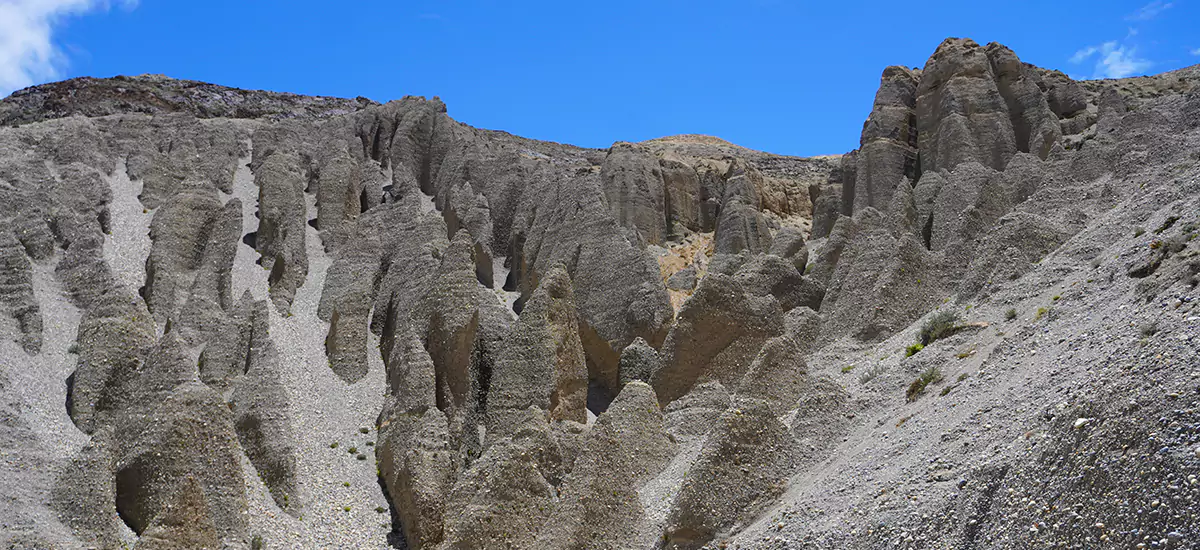
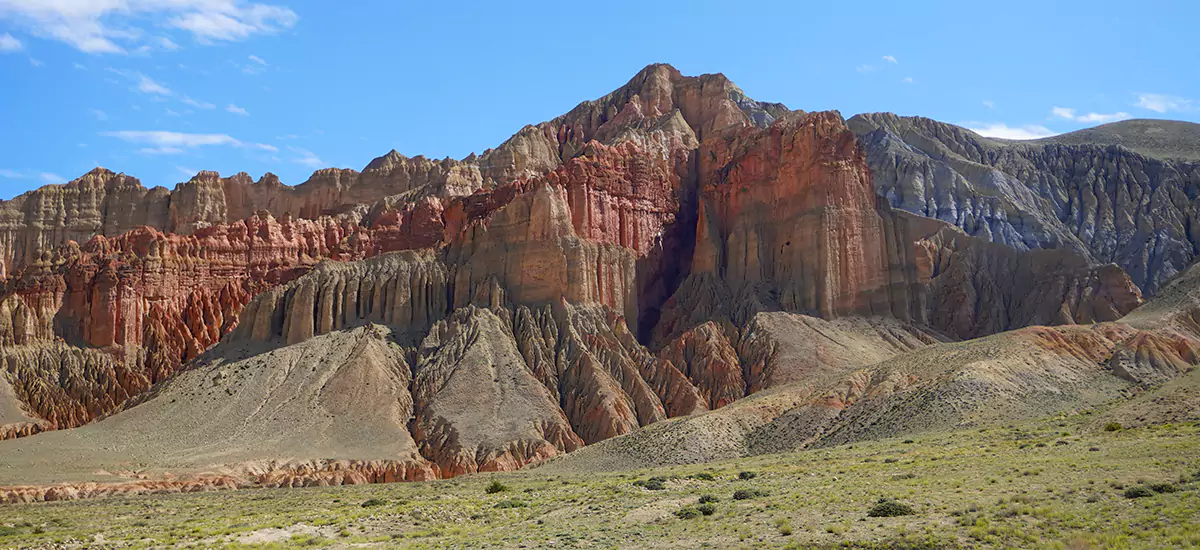
This dry climate has shaped the region’s distinctive landscape of deep canyons, colorful cliffs, barren hills, and vast desert-like valleys, making it unlike any other trekking destination in Nepal.
Cultural Sites of Upper Mustang
Top 9 reasons why you must visit Upper Mustang in Nepal
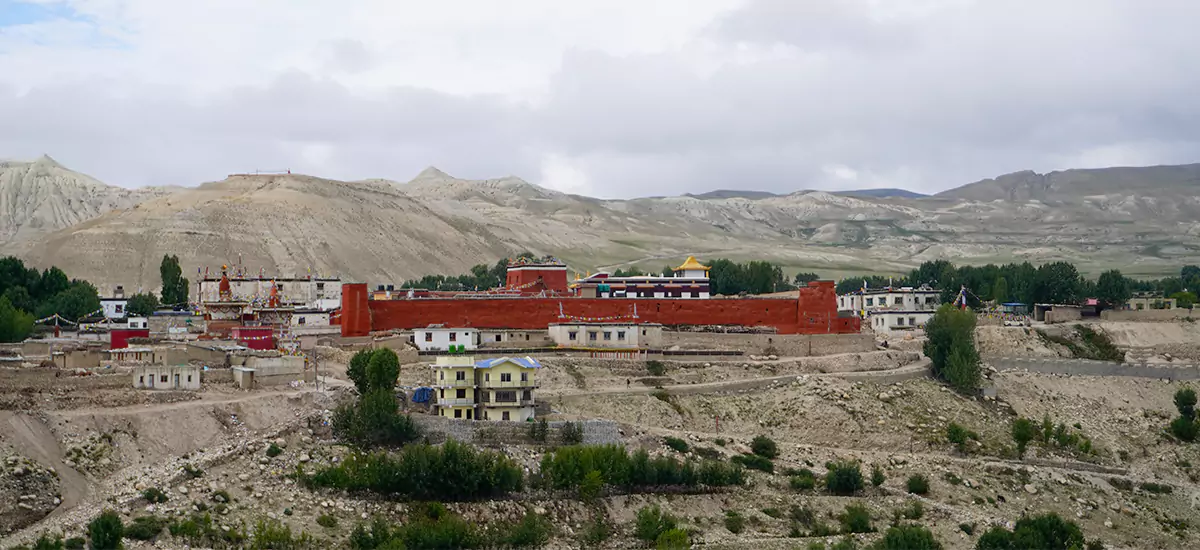
Lo Manthang
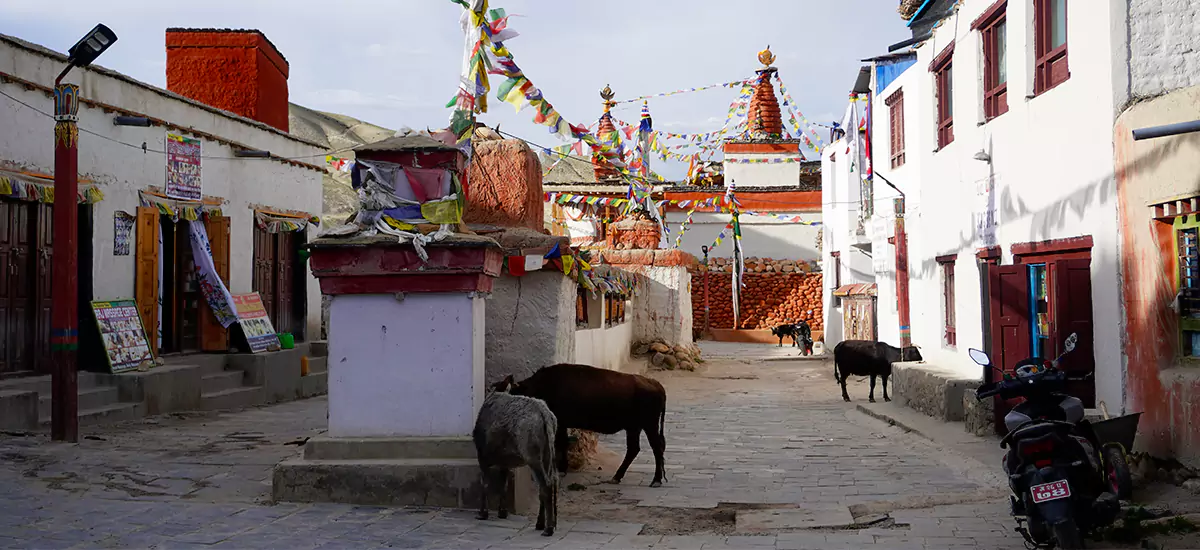
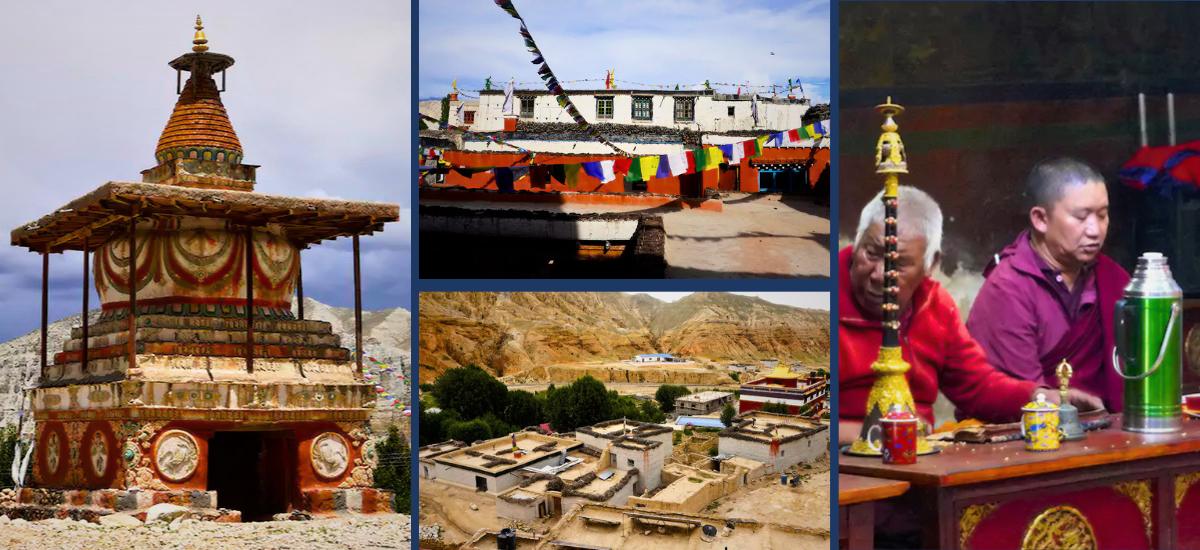
Lo Manthang is the cultural and historical heart of Upper Mustang. Surrounded by ancient mud-brick walls, this remarkable town served as the capital of the former Kingdom of Mustang for centuries and remains one of the region’s most important cultural sites.
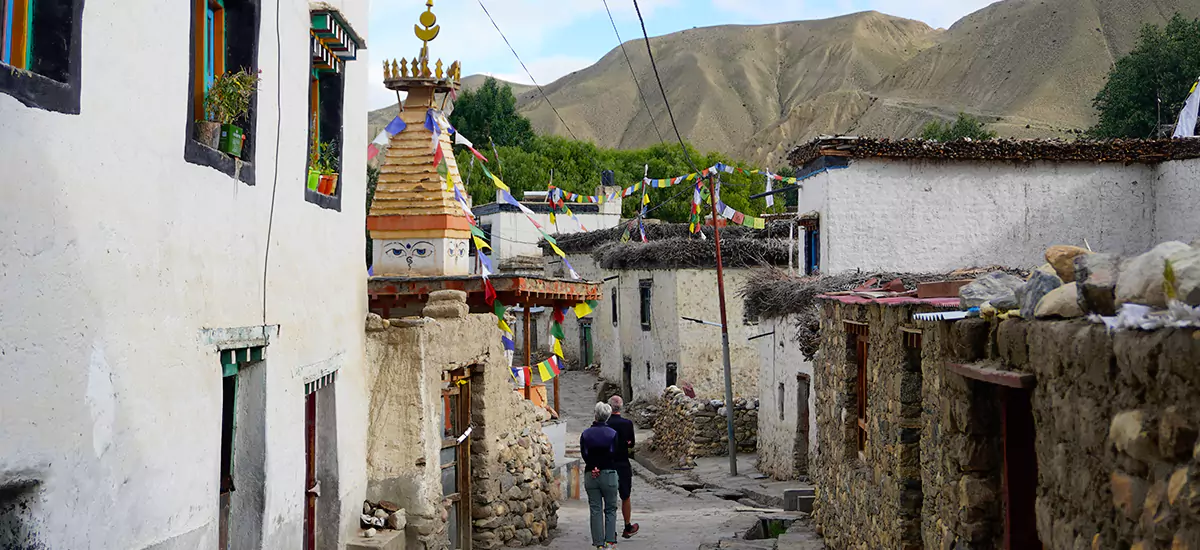
Walking through the narrow streets of Lo Manthang offers a glimpse into a way of life that has changed little over generations. Traditional houses, centuries-old monasteries, prayer flags, and strong Tibetan Buddhist influences can be seen throughout the town.
Most Upper Mustang itineraries include a two-night stay in Lo Manthang, giving trekkers time to explore its rich history, unique culture, and nearby attractions.
Ancient Monasteries and Buddhist Architecture
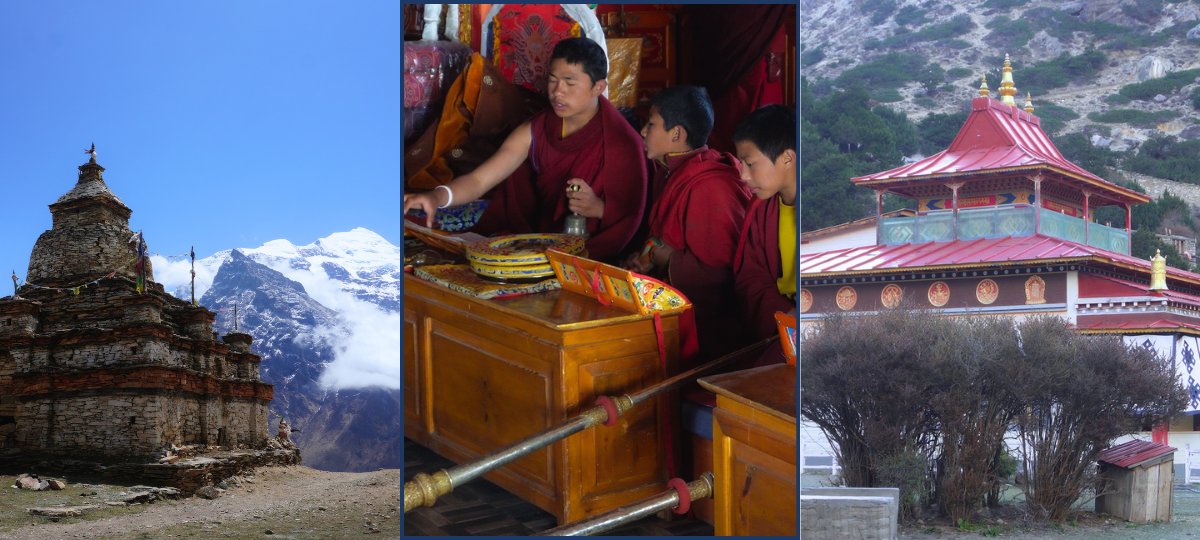
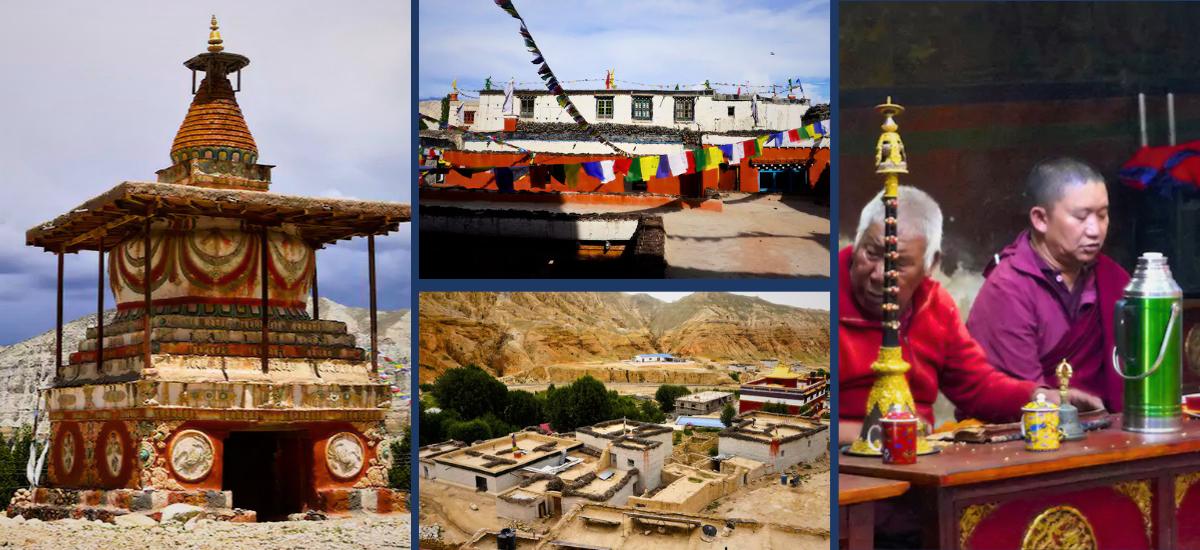
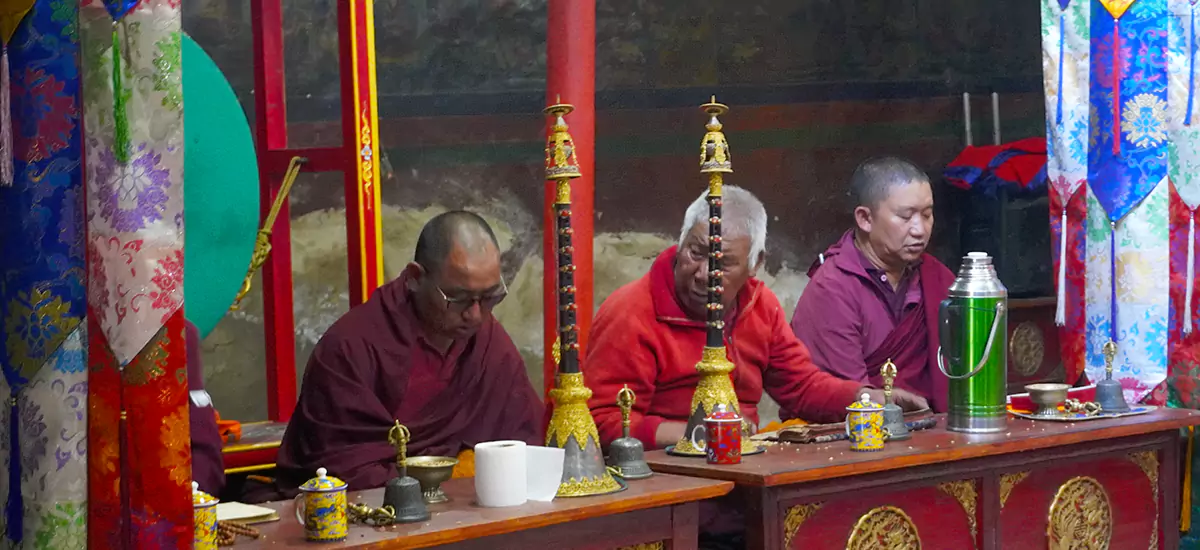
One of the most fascinating aspects of Upper Mustang is its ancient monasteries and well-preserved Buddhist architecture. Almost every village along the trekking route has a monastery that serves as an important cultural and spiritual center for the local community.
Many of these monasteries are centuries old and contain ancient murals, statues, prayer halls, and valuable Buddhist manuscripts. These sacred sites not only showcase the region’s rich Tibetan Buddhist heritage but also offer a unique opportunity to experience traditions that have been preserved for generations.
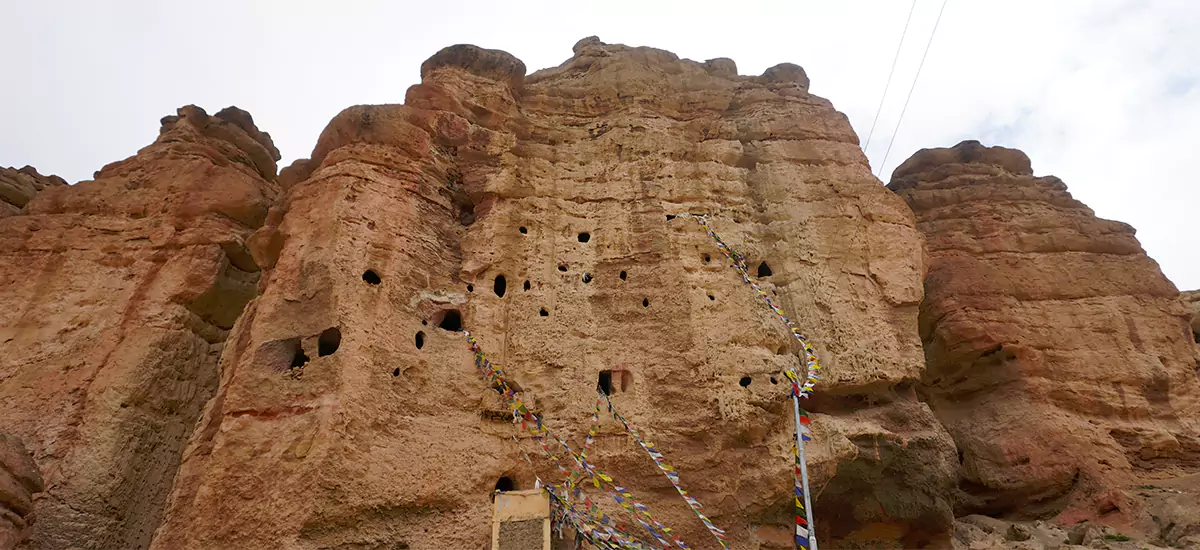
Sky Caves
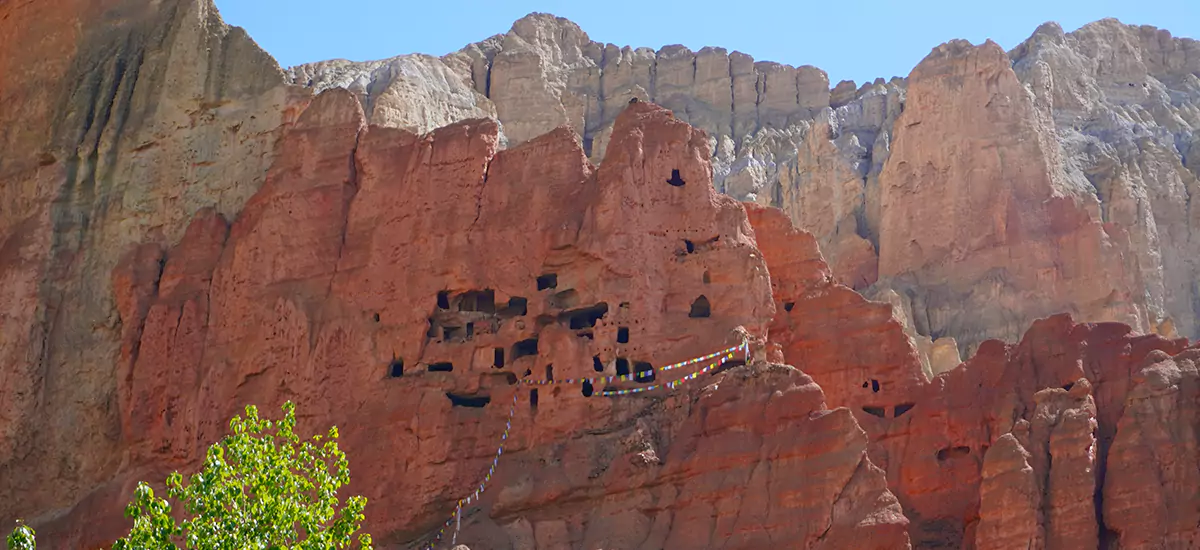
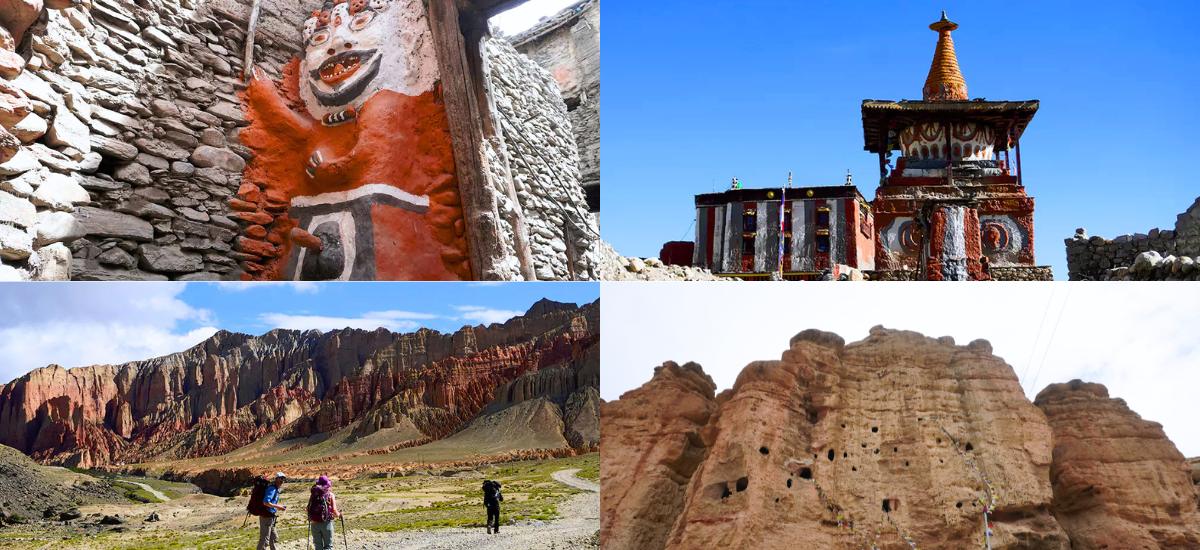
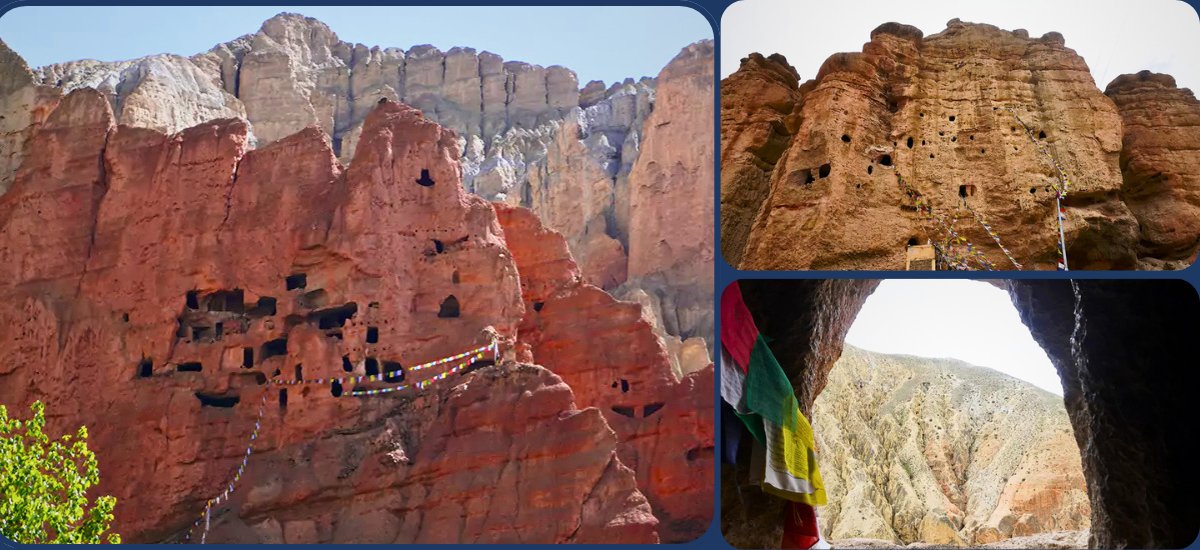
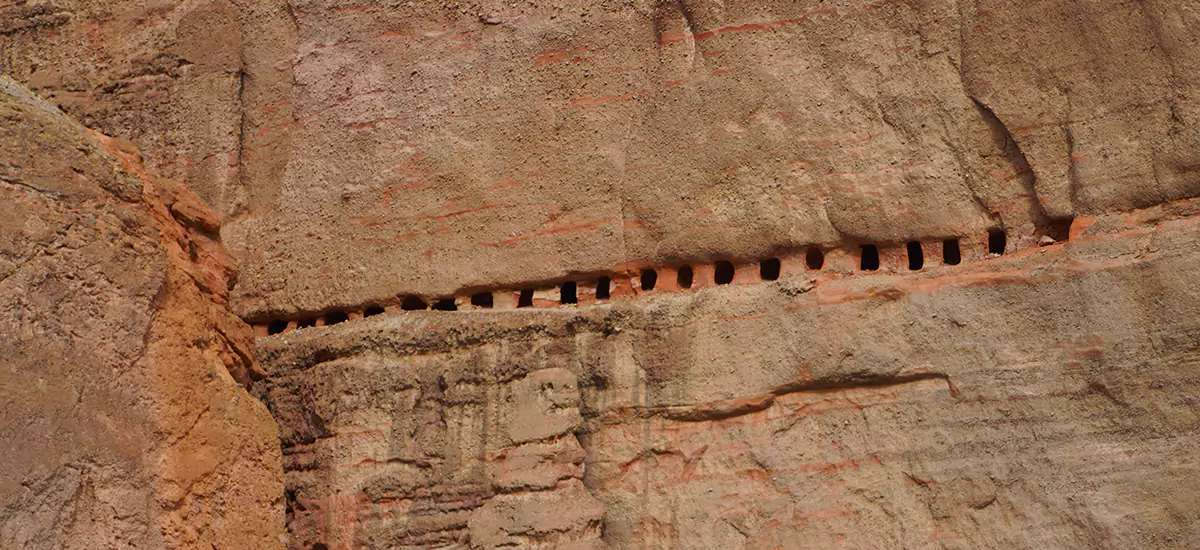
Another remarkable highlight of Upper Mustang is its mysterious sky caves, which can be seen carved into the region’s towering cliffs and canyon walls.
Sky caves of Upper Mustang
These ancient caves have fascinated historians and archaeologists for years, and are believed to have been used for shelter, meditation, storage, and other purposes in the past. One of the most popular cave sites for trekkers to visit is Chhoser Cave, a multi-story complex located near Lo Manthang.
Exploring these artificial caves offers a unique glimpse into the history and ancient civilizations of the Mustang region.
Traditional Tibetan Buddhist Culture
Upper Mustang is one of the best places in Nepal to experience authentic Tibetan Buddhist culture. Due to its remote location and centuries of isolation, many of the region’s traditions, customs, language, and way of life have remained remarkably well preserved.
As trekkers pass through traditional villages, visit monasteries, and interact with local communities, they can witness a living culture that has been passed down through generations.
This strong cultural heritage gives visitors the feeling of stepping back in time and experiencing a way of life that has changed very little over the centuries.
Unique Desert Landscapes
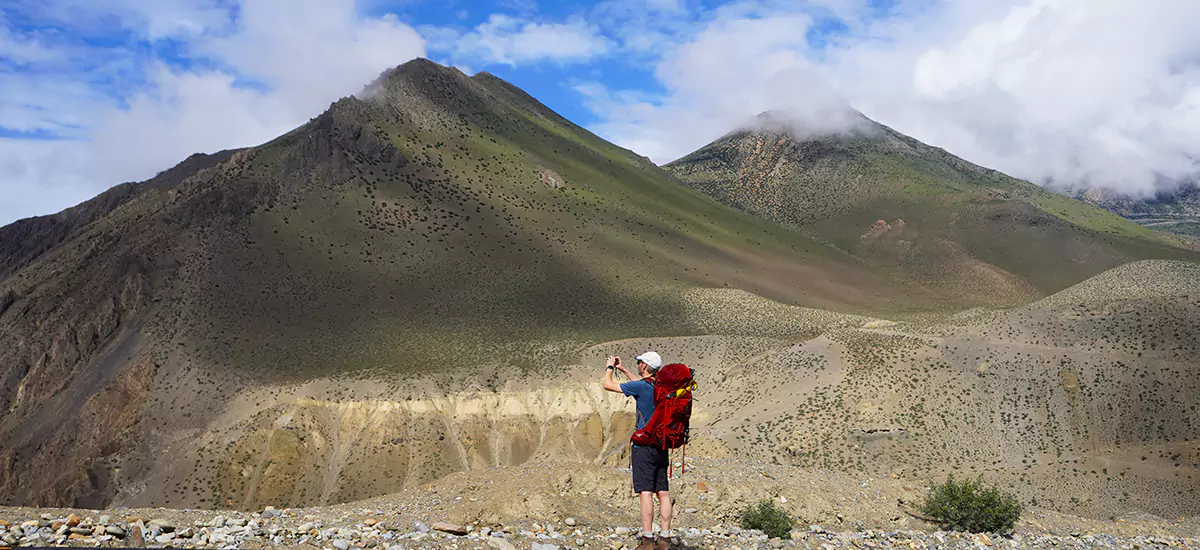
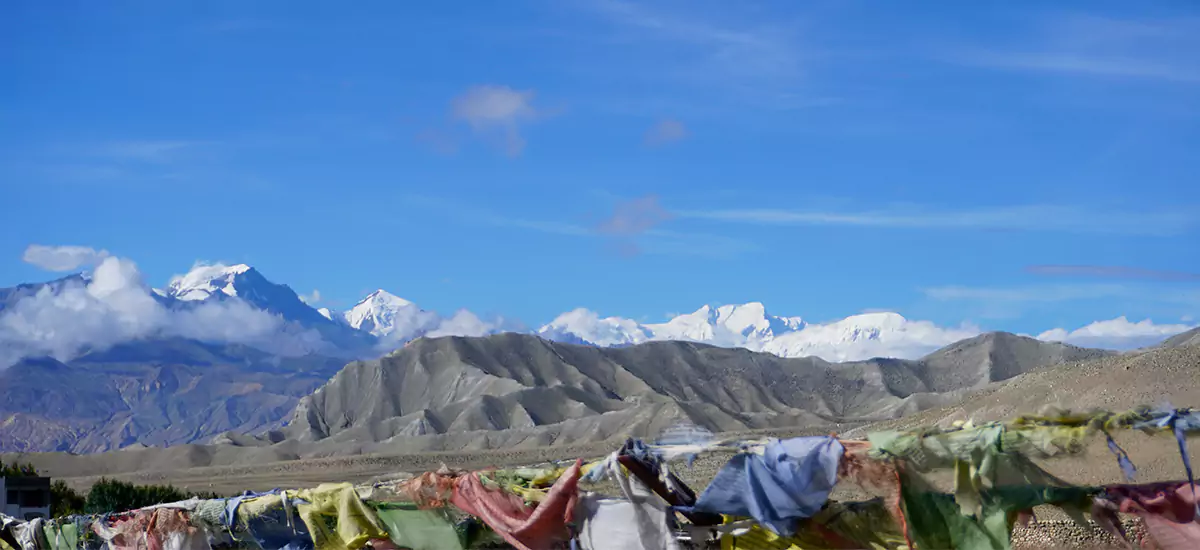
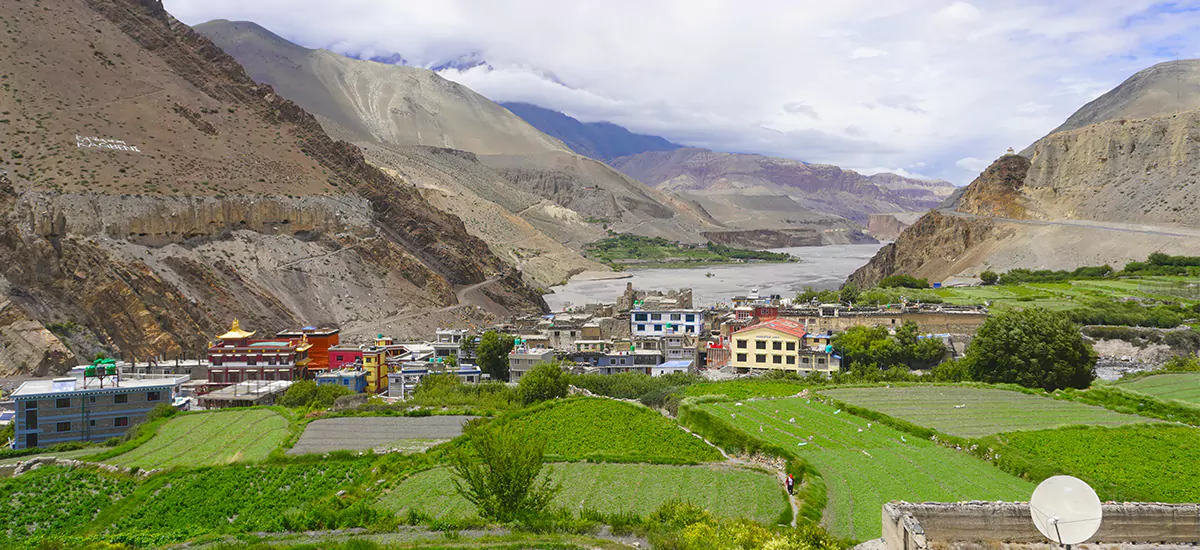
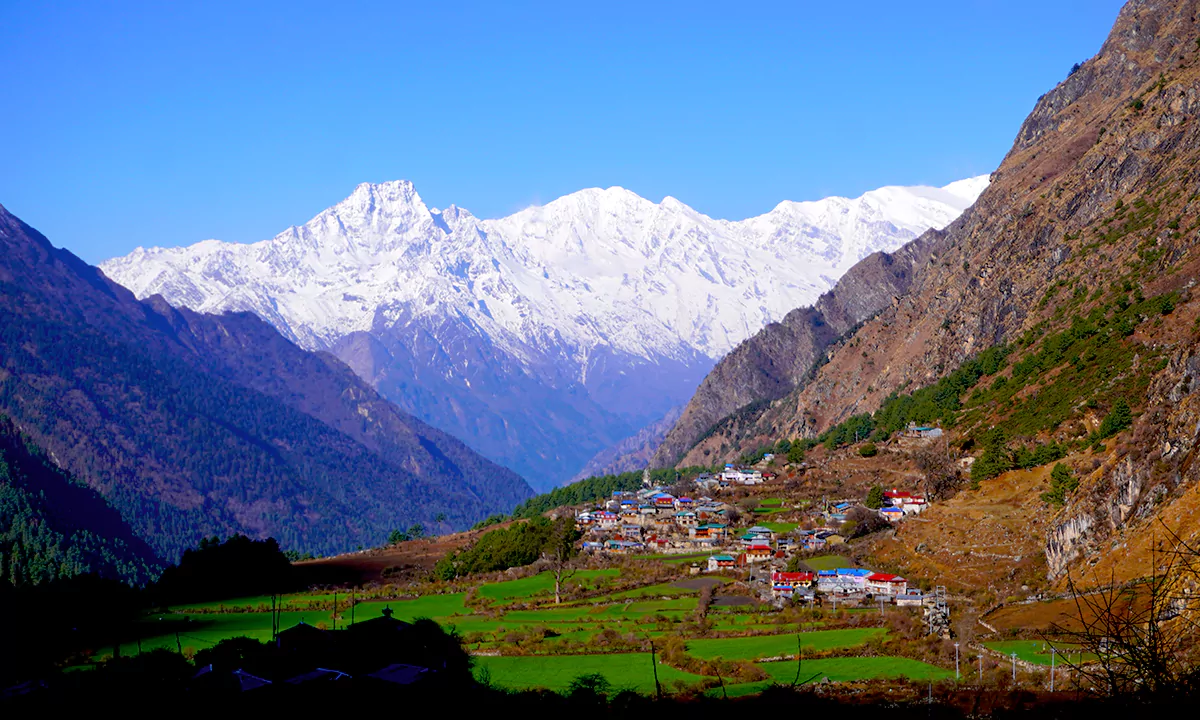
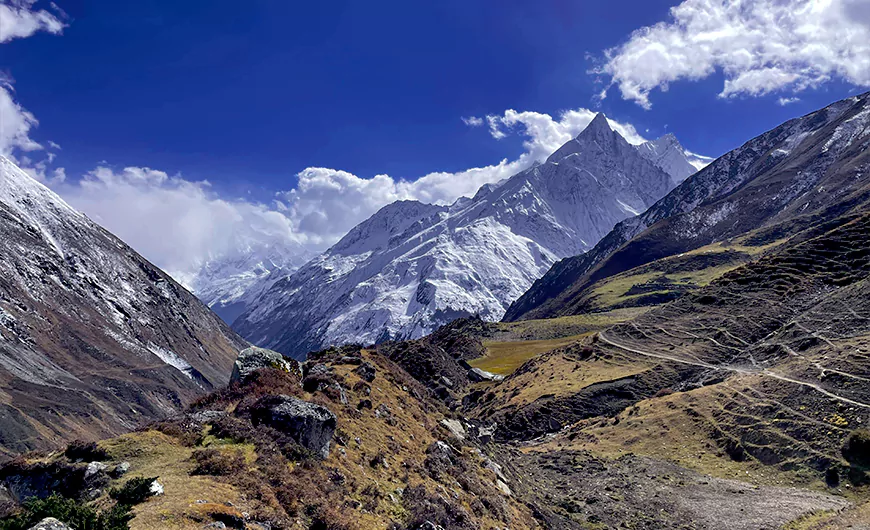
One of the most striking features of Upper Mustang is its unique desert landscape, unlike any other trekking region in Nepal. Located in the Himalayan rain shadow zone, the region receives very little rainfall year-round, creating a dramatic landscape of barren hills, deep canyons, colorful rock formations, and vast open valleys.
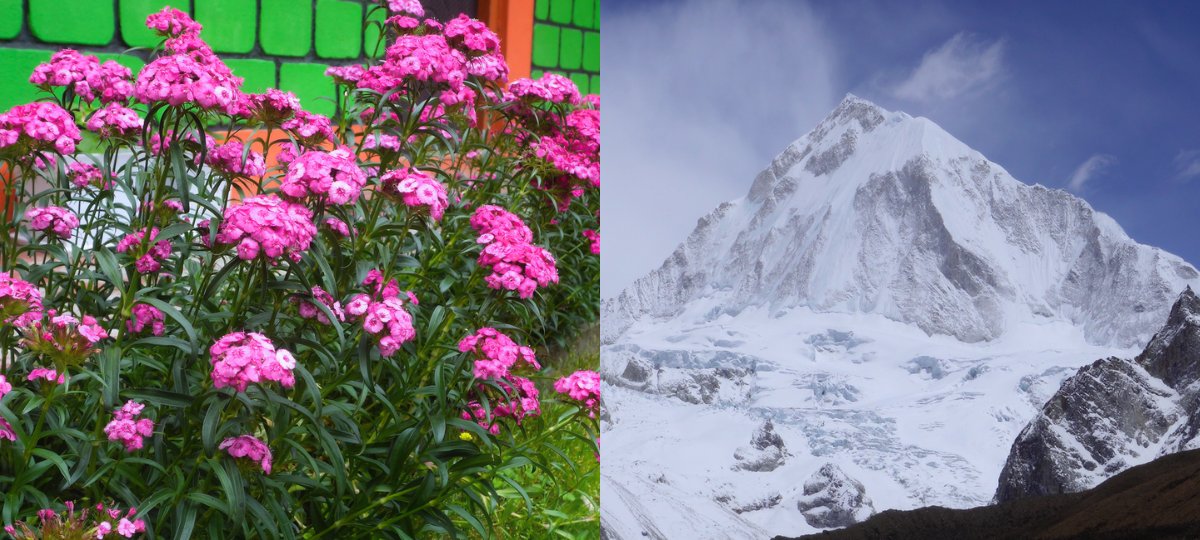
What makes the scenery even more remarkable is the contrast between these desert-like surroundings and the snow-capped peaks visible in the distance. This rare combination of arid landscapes and Himalayan mountain views gives Upper Mustang its distinctive beauty and makes it a truly unforgettable trekking destination.
Tiji Festival
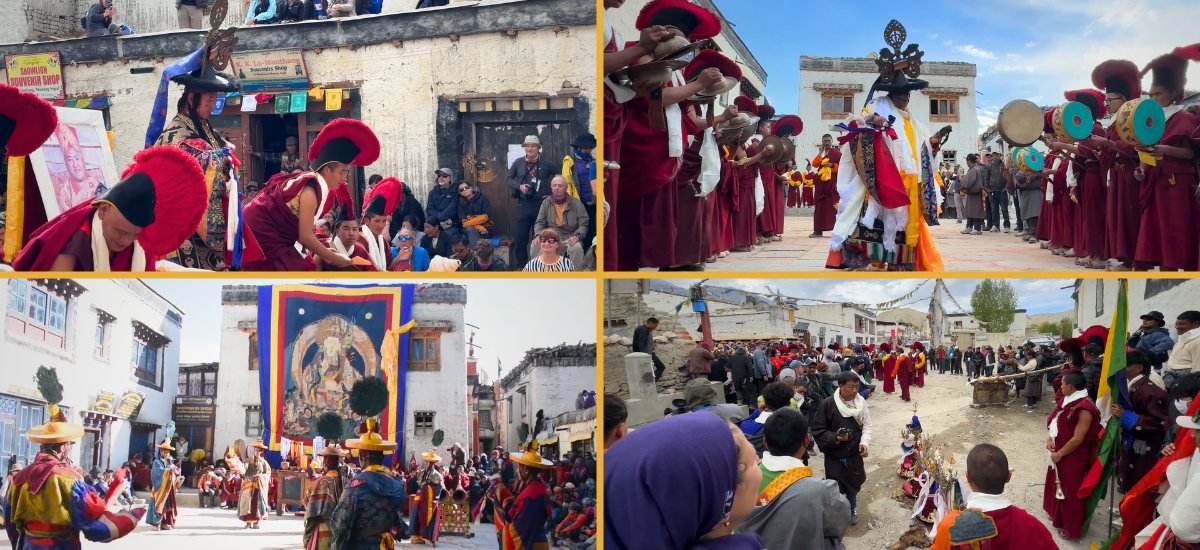
The Tiji Festival is one of the most important cultural celebrations in Upper Mustang and a major attraction for visitors to the region. Celebrated annually in mid-May in Lo Manthang, this colorful three-day festival is deeply rooted in Tibetan Buddhist traditions.
Tiji festival
The festival commemorates the victory of Dorje Jono, a deity believed to have defeated a powerful demon that was causing suffering and hardship for the people of Mustang. Through traditional masked dances, rituals, music, and ceremonial performances, local monks reenact this ancient story, symbolizing the triumph of good over evil.
For trekkers, the Tiji Festival offers a rare opportunity to witness the rich spiritual heritage and vibrant cultural traditions of Upper Mustang.
Traditional Villages and Local Hospitality
The traditional villages of Upper Mustang offer a wonderful opportunity to experience the region’s rich Tibetan culture and way of life.
As you trek through villages such as Kagbeni, Ghami, Tsarang, and Lo Manthang, you will encounter centuries-old traditions, unique architecture, and a strong sense of community. Equally memorable is the warm hospitality of the local people, who are known for their welcoming nature and friendly smiles.
Whether staying in local tea houses or meeting villagers along the trail, trekkers are often greeted with kindness and genuine hospitality, making the journey even more meaningful and enjoyable.
Scenic Mountain Flights
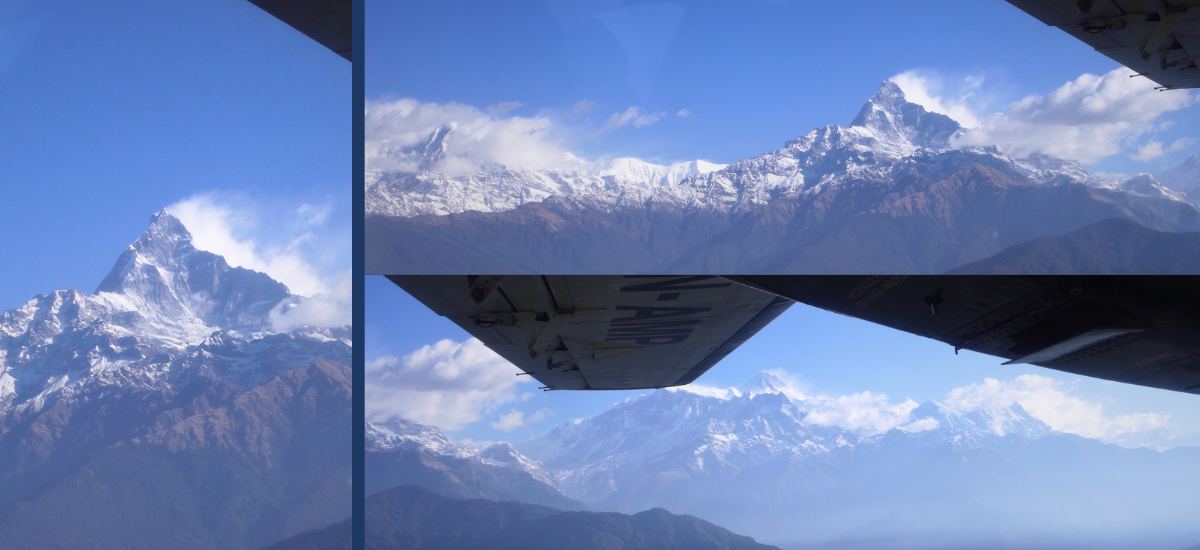
The flight to and from Jomsom is a highlight of the Upper Mustang journey itself. On clear days, trekkers can enjoy spectacular aerial views of the Himalayas, deep river valleys, and rugged mountain landscapes.
The short flight offers a unique perspective of the Annapurna and Dhaulagiri regions, allowing visitors to appreciate the scale and beauty of Nepal’s mountain scenery from above. For many travelers, this scenic flight becomes one of the most memorable parts of the entire Upper Mustang experience.
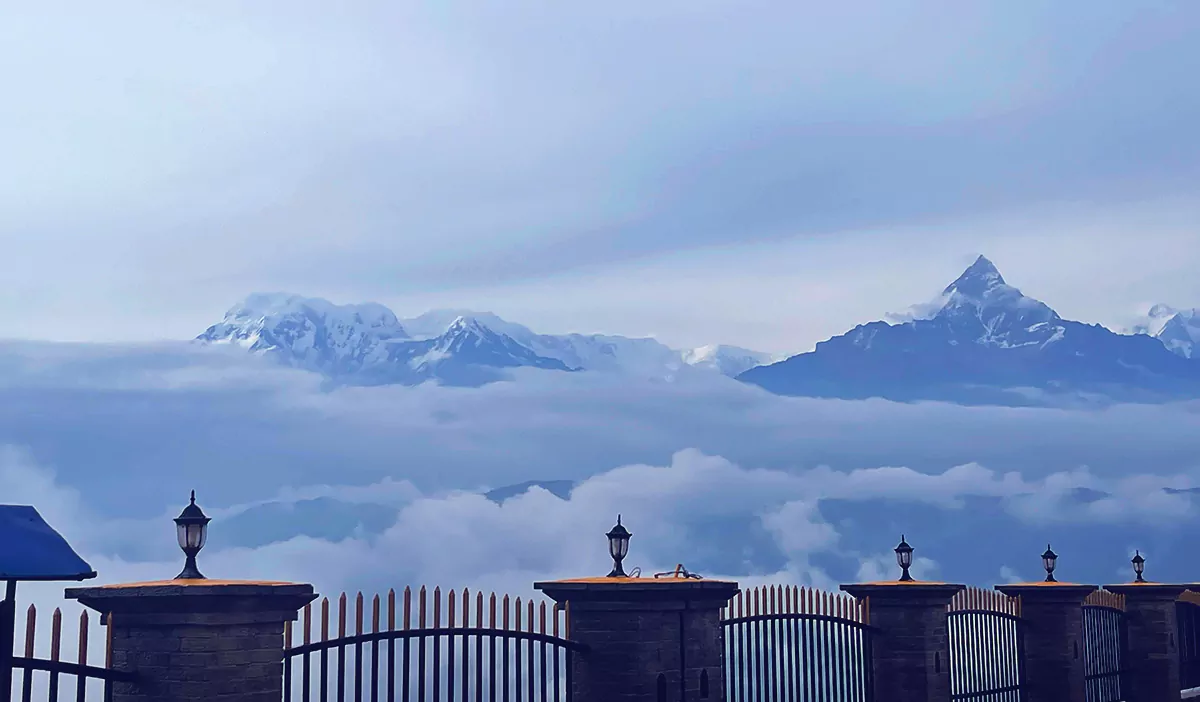
Machhapuchhare and the Annapurna range as seen from the flight to Jomsom
Discover Rare Himalayan Fossils
Upper Mustang Trek is not only rich in culture and history but also offers a fascinating glimpse into the region’s ancient geological past.
Along certain parts of the trail, trekkers may come across marine fossils embedded in rocks, evidence that this area was once covered by an ancient sea millions of years ago, before the Himalayas were formed.
These rare fossils provide unique insight into the natural history of the region and add another layer of discovery to the trekking experience. For nature enthusiasts and curious travelers, finding these ancient remnants can be one of the most unexpected and memorable highlights of Upper Mustang.
To make the trek even more memorable, knowing the Standard Itinerary, what to pack in the backpack, and which documents and permits are required is also key.
14 Days Standard Upper Mustang Trek Itinerary
The standard Upper Mustang Trek itinerary usually takes around 14 days, starting and ending in Kathmandu. The journey includes travel to and from Jomsom, followed by a trek through traditional Mustang villages to Lo Manthang, the historic capital of the ancient Mustang Kingdom.
Most itineraries include a two-night stay in Lo Manthang, allowing trekkers to explore its monasteries, nearby villages, and surrounding cultural sites.
This well-paced itinerary provides enough time to experience the unique landscapes, rich Tibetan culture, and major highlights of Upper Mustang while also allowing for proper acclimatization during the trek.
Day 1: Drive from Kathmandu to Pokhara (827 m)
Day 2: Fly to Jomsom (2720 m) and Trek to Kagbeni (2810 m) – 3 to 4 Hours
Day 3: Trek from Kagbeni to Chele (3050 m) – 5 to 6 Hours
Day 4: Trek from Chele to Syangboche (3800 m) – 6 to 7 Hours
Day 5: Trek from Syangboche to Ghami (3510 m) – 6 to 7 Hours
Day 6: Trek from Ghami to Tsarang (3560 m) – 4 to 5 Hours
Day 7: Trek from Tsarang to Lo Manthang (3840 m) – 4 to 5 Hours
Day 8: Explore Lo Manthang and Visit Chhoser Cave (3840 m)
Day 9: Trek from Lo Manthang to Dhakmar (3820 m) – 6 to 7 Hours
Day 10: Trek from Dhakmar to Ghiling (3570 m) – 5 to 6 Hours
Day 11: Trek from Ghiling to Chhusang (2080 m) – 5 to 6 Hours
Day 12: Trek from Chhusang to Jomsom (2720 m) – 6 to 7 Hours
Day 13: Fly from Jomsom to Pokhara (820) – 20-Minute Flight
Day 14: Drive from Pokhara to Kathmandu (1,350 m) – 6 to 8 Hours
Packing List for Upper Mustang Trek
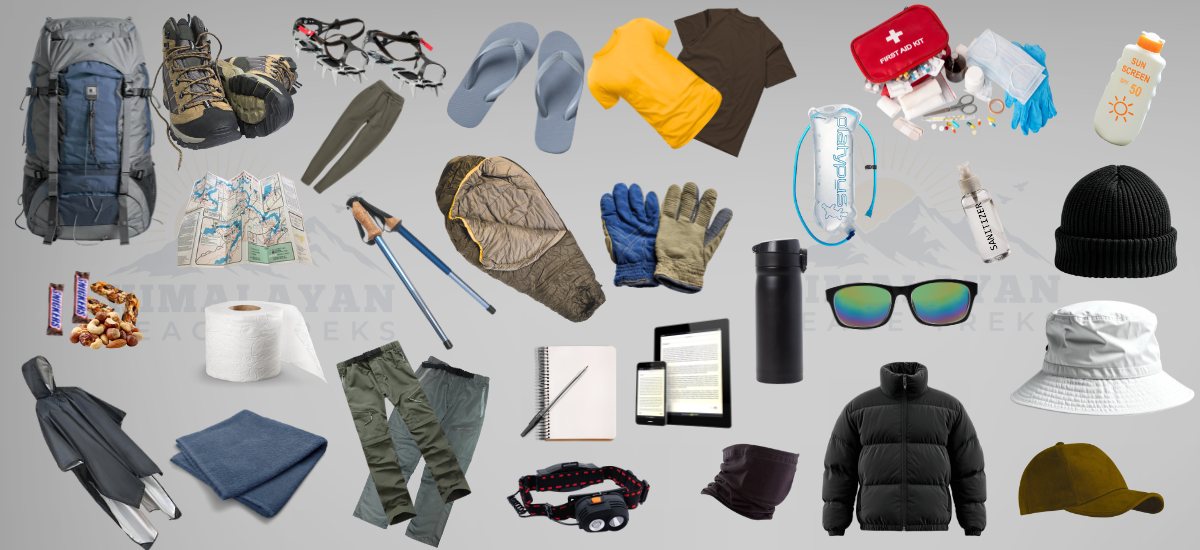
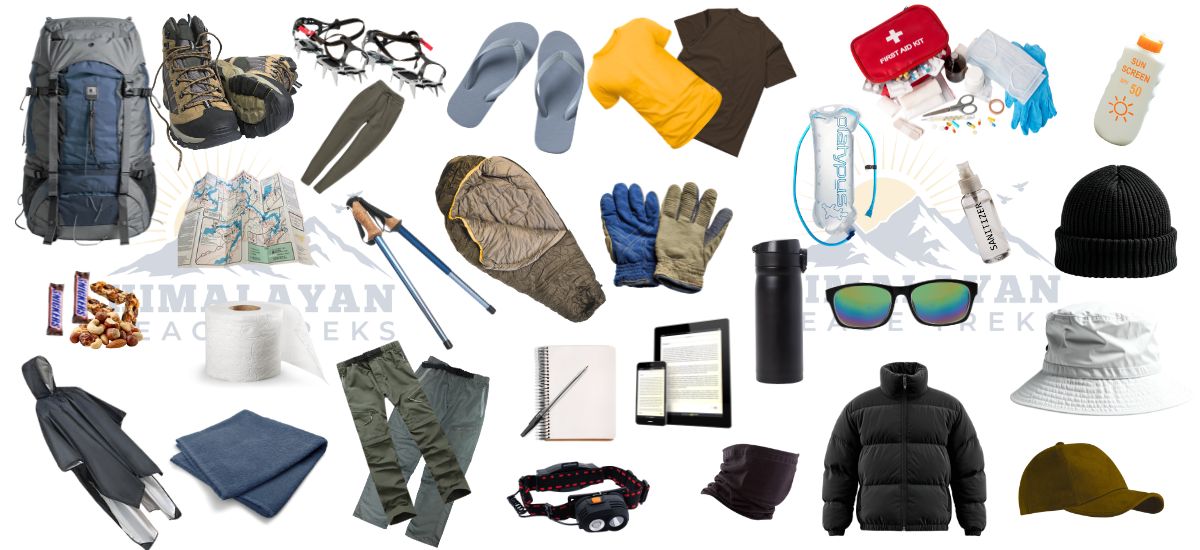
The packing requirements for the Upper Mustang Trek are similar to those for the Everest Base Camp and Annapurna Circuit in Nepal. Trekkers should carry appropriate clothing, trekking gear, and personal essentials suitable for varying weather conditions and high-altitude environments. You can find our complete Upper Mustang packing list by clicking here.
A few items deserve special attention. Due to the region’s dry, dusty trails, carrying a buff or a face mask can make the trek more comfortable. Sunscreen with a high SPF rating is also highly recommended, as the strong sun and high altitude can lead to significant sun exposure throughout the journey.
Required Permits & Travel Insurance for Upper Mustang
Under the latest 2026 regulations from the Nepal government, trekkers visiting Upper Mustang must obtain a Restricted Area Permit (RAP), which costs USD 50 per person per day.
With the 10-day standard itinerary within the restricted area, the total cost of the Upper Mustang special permit is USD 500. In addition, trekkers also need an Annapurna Conservation Area Permit (ACAP), which costs NPR 3,000 per person.
Trekkers also need travel insurance that covers high-altitude trekking and emergencies, as sudden altitude sickness and health issues in remote mountain regions may require immediate rescue support.
For complete details about the Upper Mustang Trek package, itinerary, services, and pricing, click here.
If you are planning your 2026/27 Upper Mustang adventure, our team is ready to help you explore this remarkable region with confidence.
We can assist with permits, transportation, accommodation, experienced guides, and all the logistics needed for a smooth and memorable journey. Join us and discover why Upper Mustang remains one of Nepal’s most fascinating trekking destinations.
FAQs
Can I visit Upper Mustang during the monsoon season?
Yes. Unlike most trekking regions, such as the Everest Three Passes or the Manaslu Circuit trek in Nepal, Upper Mustang is one of the few destinations that can be comfortably visited during the monsoon season. Located in the Himalayan rain shadow zone, the region receives very little rainfall, even as much of Nepal experiences heavy monsoon rains.
This makes Upper Mustang an excellent choice for summer trekking. The monsoon season also brings patches of greenery, blooming vegetation, and fewer trekkers on the trail, offering a unique perspective of the region.
Do I need a guide for the Upper Mustang Trek?
Yes. Since Upper Mustang is a restricted area of Nepal, trekking with a licensed guide is mandatory. Independent trekking is not permitted in the region. Beyond the permit requirements, having a guide greatly enhances the trekking experience.
Guides assist with navigation, accommodation, local information, cultural insights, and overall trek management, allowing trekkers to enjoy the journey with greater comfort and confidence.
Is the Upper Mustang Trek suitable for beginners?
Yes. The standard 14-day Upper Mustang Trek is generally considered suitable for beginners with a reasonable level of fitness.
Compared to more demanding treks such as Nar Phu Valley or Manaslu Circuit, the route involves fewer steep ascents and is technically less challenging. However, trekkers should still be prepared for multiple days of walking at altitude.
For those seeking a greater challenge, the trek can be extended with high-pass routes, which increase the overall difficulty.
How much does the Upper Mustang permit cost?
As per the latest 2026 regulations, trekkers visiting Upper Mustang must obtain a Restricted Area Permit (RAP), which costs USD 50 per person per day.
In addition, trekkers are also required to obtain an Annapurna Conservation Area Permit (ACAP), which costs NPR 3,000 per person. These permits are mandatory for all foreign trekkers visiting the Upper Mustang region.
What is the best time to visit Upper Mustang?
The best seasons to visit Upper Mustang are spring (March–May) and autumn (September–November), which are generally considered the ideal trekking seasons in Nepal due to their stable weather and pleasant temperatures.
However, unlike many other trekking regions in the country, Upper Mustang can also be visited during the monsoon season. Located in the Himalayan rain shadow zone, the region receives very little rainfall, making it one of Nepal’s few monsoon-friendly trekking destinations.
Each season offers a different experience, and many trekkers enjoy visiting during the summer months to witness the region’s greenery, unique landscapes, and quieter trails.
If I had to describe the feeling of trekking in Upper Mustang in one sentence, I would say it feels like walking through a vast Himalayan desert surrounded by dramatic dry landscapes, endless open valleys, and the unique charm of Tibetan culture, all beneath the distant backdrop of snow-capped mountains.
There are very few places in the world where you can witness dry desert-like landscapes and snow-capped Himalayan mountains together in a single view. Upper Mustang is one of those rare places.
This unique landscape exists because of a natural phenomenon known as the rain shadow effect, where the massive Annapurna and Dhaulagiri ranges block most of the monsoon clouds, keeping the region dry even during the rainy season in Nepal.
Beyond its dramatic landscapes, Upper Mustang is also deeply rich in Tibetan Buddhist culture and history. Almost every village along the trail is home to ancient monasteries that have preserved centuries of tradition and spiritual heritage.
These monasteries contain beautiful Thangka paintings, Buddhist statues, ancient manuscripts, and historic artworks that reflect the deep cultural connection between Upper Mustang and Tibetan civilization.
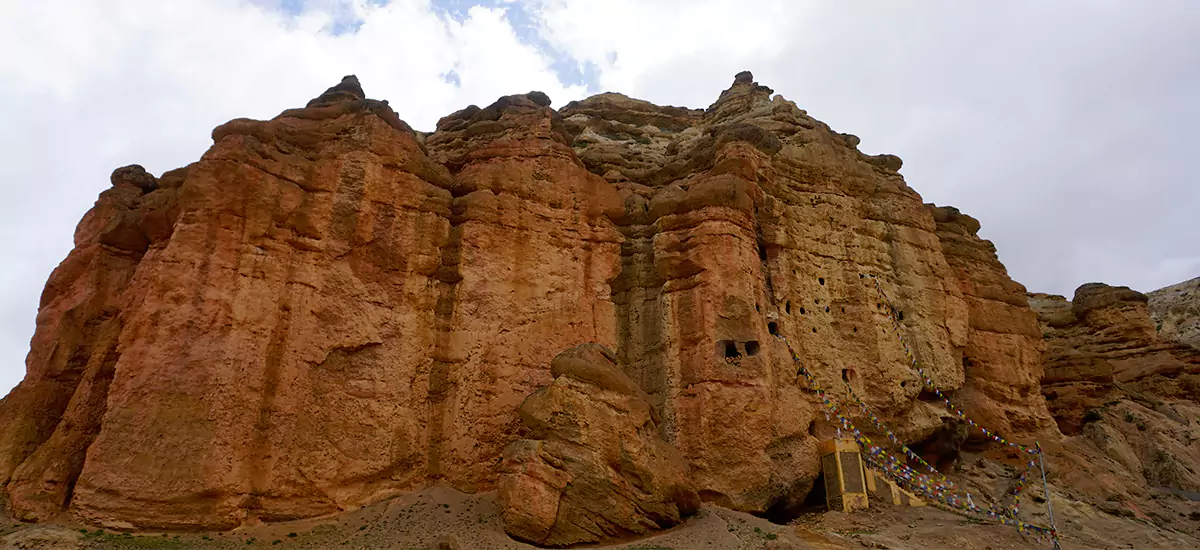
Another fascinating highlight of Upper Mustang is its mysterious sky caves, which are carved high into the massive desert cliffs throughout the region. Some of these ancient caves can still be visited today, including popular sites such as the Chhoser Cave.
Chhoser Cave
Historians believe that these caves were once used for meditation, shelter, storage, and even as historic fortresses centuries ago. Exploring these caves offers trekkers a glimpse into the ancient lifestyle and hidden history of the Mustang region.
The standard Upper Mustang trek itinerary is around 10 days long, starting from Kagbeni and ending back in Kagbeni, with a two-night stay in the historic town of Lo Manthang.
However, including travel between Kathmandu and Jomsom, the overall trip usually takes about 14 days in total.
Upper Mustang Trek Quick Stats
Duration: 14 days (including travel days) Difficulty: Moderate Highest Elevation: 4298m Choku la pass Permits: Restricted area trekking permit and ACAP Accommodation: Tea Houses Trailhead: Jomsom Trail End: Jomsom Restricted Area Start/End: Kagbeni Transportation: Bus and Flight Best Time: Feb-May, June-July, and Sept-Nov (Can be done all year round)
14-day Upper Mustang Trek Itinerary
Day 1: Drive from Kathmandu to Pokhara (827 m)
Day 2: Fly to Jomsom (2720 m) and Trek to Kagbeni (2810 m) – 3 to 4 Hours
Day 3: Trek from Kagbeni to Chele (3050 m) – 5 to 6 Hours
Day 4: Trek from Chele to Syangboche (3800 m) – 6 to 7 Hours
Day 5: Trek from Syangboche to Ghami (3510 m) – 6 to 7 Hours
Day 6: Trek from Ghami to Tsarang (3560 m) – 4 to 5 Hours
Day 7: Trek from Tsarang to Lo Manthang (3840 m) – 4 to 5 Hours
Day 8: Explore Lo Manthang and Visit Chhoser Cave (3840 m)
Day 9: Trek from Lo Manthang to Dhakmar (3820 m) – 6 to 7 Hours
Day 10: Trek from Dhakmar to Ghiling (3570 m) – 5 to 6 Hours
Day 11: Trek from Ghiling to Chhusang (2080 m) – 5 to 6 Hours
Day 12: Trek from Chhusang to Jomsom (2720 m) – 6 to 7 Hours
Day 13: Fly from Jomsom to Pokhara (820) – 20-Minute Flight
Day 14: Drive from Pokhara to Kathmandu (1,350 m) – 6 to 8 Hours
Understanding the Rain Shadow Phenomenon
Monsoon season in Nepal usually begins in June, when moisture-filled winds from the Bay of Bengal bring heavy rainfall across most parts of the country. However, Upper Mustang remains mostly dry because of a natural process called the rain shadow phenomenon.
The massive Annapurna and Dhaulagiri mountain ranges block the monsoon clouds, causing most of the rainfall to occur on the southern side of the Himalayas in places like Pokhara and surrounding regions.
As a result, the northern side of these mountain ranges, including Upper Mustang, receives very little rainfall even during the peak monsoon season.
The average annual precipitation in Upper Mustang is around 250 mm, making it one of the driest regions in Nepal.
Here’s a general idea of what to expect:
Spring (March–May): Daytime 10–20°C, nights around 0–5°C. Perfect for trekking in mild weather. Summer/Monsoon (June–August):13–22°C in the day, 5–10°C at night. Dry skies due to the rain shadow effect.
Autumn (September–November): 10–18°C in the day, -5–5°C at night. Clear skies and stable weather. Winter (December–February): Cold and harsh. Daytime temperatures are 0–10°C; night temperatures can drop below -10°C.
Benefits of Choosing the Upper Mustang Trek during the Monsoon Season
Although spring and autumn are considered the best trekking seasons in Nepal, trekking in Upper Mustang during the monsoon has its own unique advantages and offers a truly memorable lifetime experience.
Wildflowers and Greenery
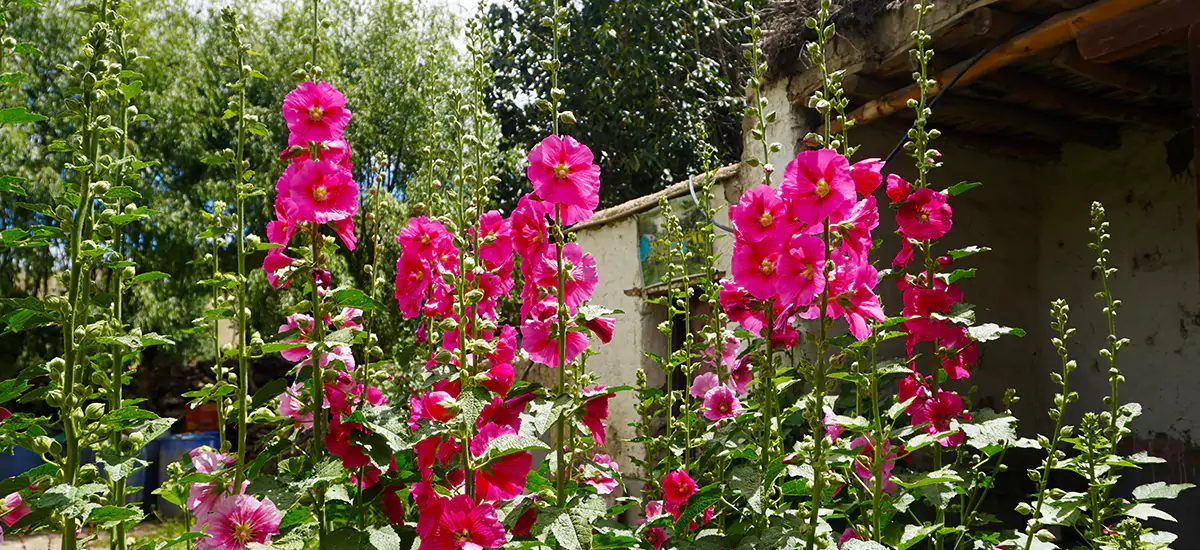
One of the unique benefits of trekking in Upper Mustang during the monsoon season is the chance to witness rare greenery and seasonal vegetation in the region.
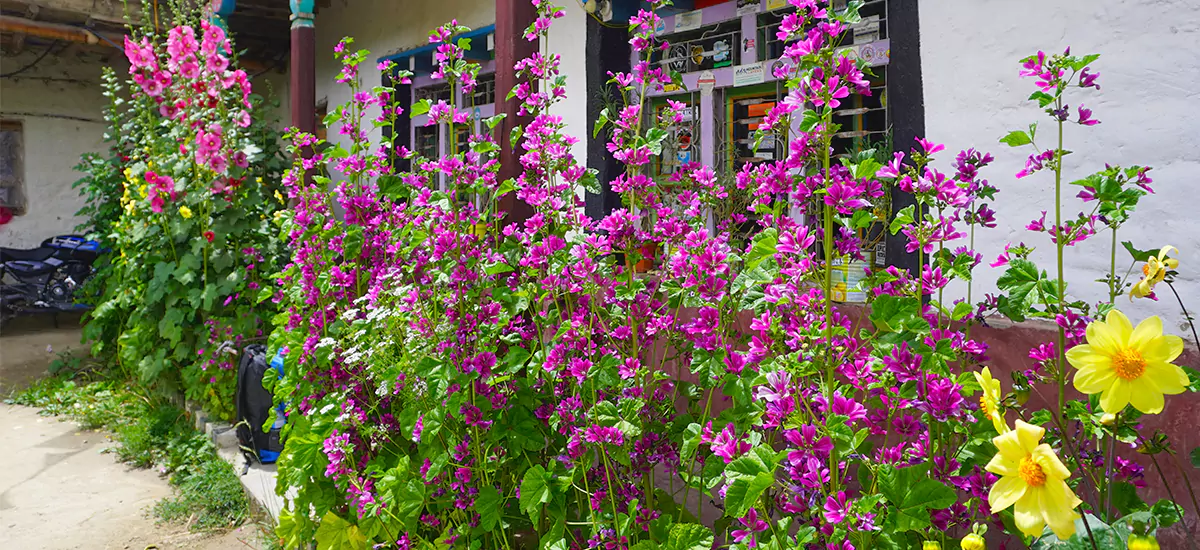
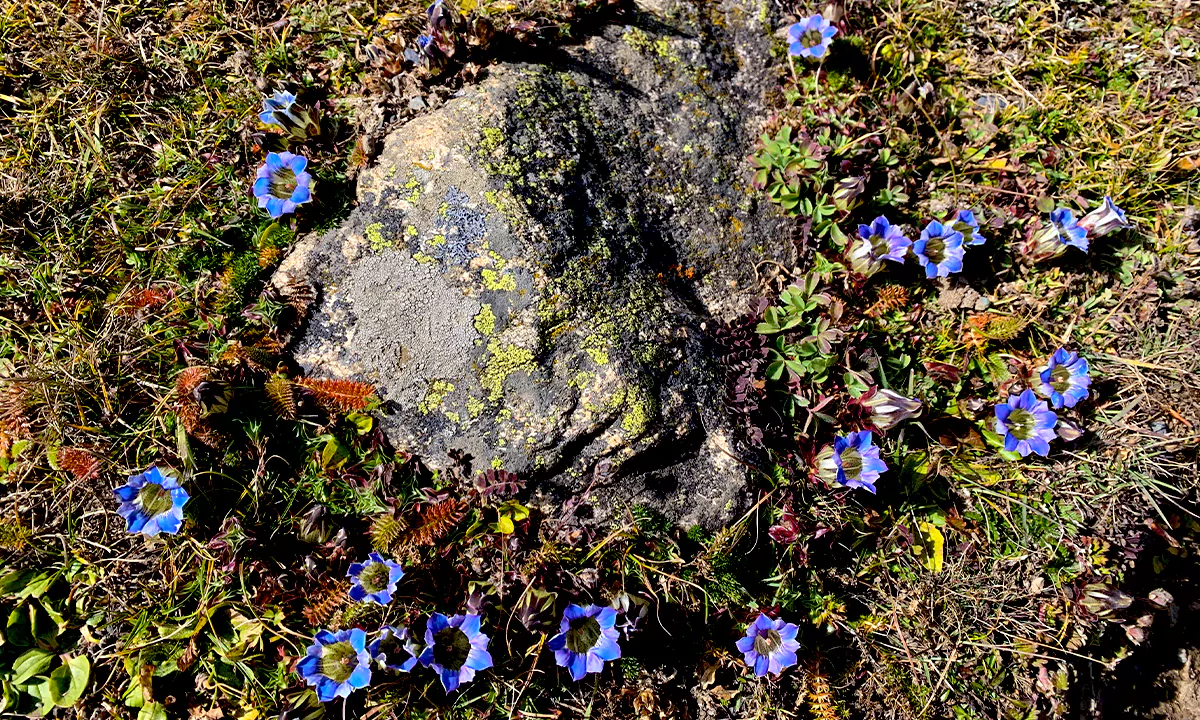
Due to limited rainfall and water supplied from melting snow, the otherwise dry landscape becomes more colorful with patches of greenery and blooming wildflowers like saxifrage, primrose, edelweiss, etc., during the monsoon.
Clear Skies and Mountain Views
Another major advantage of trekking in Upper Mustang during the monsoon season is the opportunity to experience clear skies and better visibility.
Since most of the monsoon clouds release their moisture on the southern side of the Annapurna and Dhaulagiri ranges, only dry and filtered air reaches Upper Mustang.
As a result, the region often enjoys bright skies, clear weather, and stunning mountain views even during the monsoon months.
Fewer Crowds
Since spring and autumn are the most popular trekking seasons for the Manaslu Circuit Trek,Everest Base Camp, and other popular routes in Nepal, Upper Mustang receives fewer trekkers during the monsoon months.
This allows visitors to enjoy a more peaceful trekking experience with quieter trails, less crowded tea houses, and a calmer atmosphere throughout the journey.
For trekkers who prefer solitude and a more relaxed travel experience, the monsoon can be an excellent time to visit Upper Mustang.
Yartung Festival in August
Besides the famous Tiji Festival celebrated during the spring season, trekkers visiting Upper Mustang in August also have the opportunity to experience the vibrant Yartung Festival.
This traditional three-day festival is celebrated with exciting horse racing events and cultural performances. Based on the Tibetan lunar calendar, the festival is usually celebrated around the August full moon and marks the end of summer and the completion of the agricultural harvest season in the region.
Challenges of the Upper Mustang trek in the Monsoon
Flight Delays
Flights between Pokhara and Jomsom are often unpredictable due to rapidly changing mountain weather, especially during the monsoon season.
Flight delays and cancellations are quite common during this time, so it is always recommended to keep one or two extra buffer days in your itinerary. Trekkers should also be mentally prepared for the possibility of travelling by jeep if flights are cancelled because of weather conditions.
Limited Food Options
Compared to the peak trekking seasons of spring and autumn, the monsoon season in Upper Mustang may offer fewer food choices in some tea houses due to limited supplies and fewer trekkers in the region.
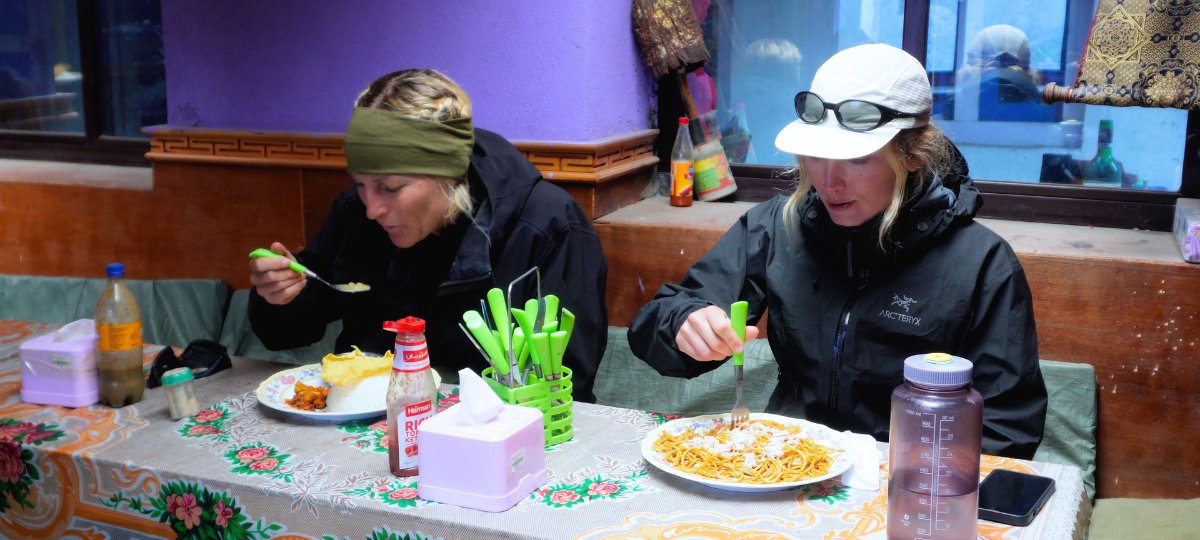
Not every item listed on the menu may always be available, but trekkers can still enjoy simple and filling meals such as Dal Bhat, noodles, soup, and other basic local foods throughout the trek.
Packing List for Upper Mustang Trek
The packing list for the Upper Mustang trek is not very different from other multi-day treks such as Nar Phu Valley,Langtang Valley, and other routes in Nepal. However, there are a few important items that trekkers should not forget, especially during the monsoon season.
Although Upper Mustang lies in a rain shadow area, light rainfall can still occur occasionally, so carrying a waterproof rain jacket and gaiters is highly recommended. Due to the dry and dusty trails in the region, trekkers should also carry buffs or face masks for protection from dust.
In addition, sunscreen with SPF 40+ is essential due to the strong sun exposure at high altitudes. Click here for the full packing list details.
Required Permits & Travel Insurance
As per the latest 2026 regulations from the Nepal government, trekkers visiting Upper Mustang are required to obtain a Restricted Area Permit (RAP), which costs USD 50 per person per day.
With the 10-day standard itinerary within the restricted area, the total cost of the Upper Mustang special permit is USD 500. In addition, trekkers also need an Annapurna Conservation Area Permit (ACAP), which costs NPR 3,000 per person.
Trekkers also need travel insurance that covers high-altitude trekking and emergency helicopter evacuation, as sudden altitude sickness and health issues in remote mountain regions may require immediate rescue support.
Final Thoughts
Choosing Upper Mustang during the monsoon season offers a truly unique and unforgettable trekking experience in Nepal.
From dramatic desert-like landscapes and ancient Tibetan culture to peaceful trails and clear mountain views, the region provides a completely different side of Himalayan trekking during the summer months.
If you are planning your 2026/27 monsoon adventure in Nepal, Himalayan Peace Treks is ready to help you experience Upper Mustang with comfort and confidence.
With years of experience organizing Upper Mustang Trek, we can arrange everything from your arrival in Kathmandu to transportation, permits, accommodation, guides, and overall trekking logistics throughout your journey in Nepal. Feel free to connect with us with any questions.
If you’ve ever dreamed of trekking in Nepal, one of the first questions that comes up is: When is the best time to go? People picture snowy peaks, prayer flags dancing in the wind, and trails winding through villages and forests. But what they often don’t realize is that timing matters. The same trail can feel very different depending on the season.
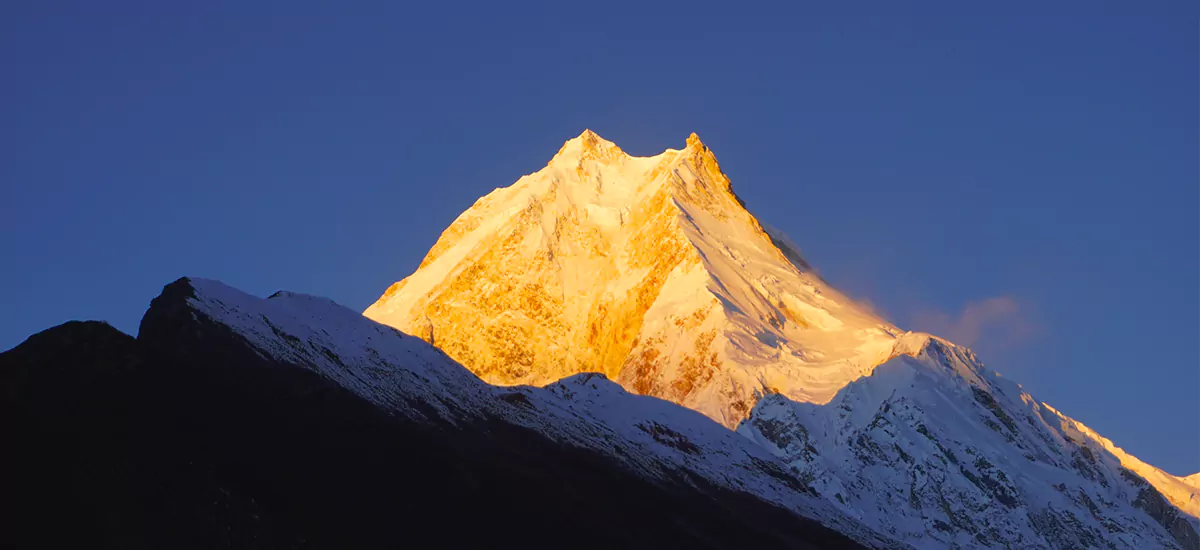
After guiding treks in the Himalayas for years, I can say this with confidence: Autumn and spring are the best seasons for trekking in Nepal. Both bring out the beauty of the mountains in their own way. Let me walk you through why.
Autumn: Clear Skies, Crisp Air, and Festival Spirit
Autumn in Nepal runs from September to November. It’s the most popular trekking season, and for good reason.
In early September, the hills are still green from the monsoon rains. You may see clouds hanging over the valleys, breaking apart to reveal sudden views of snow peaks. It feels alive, like the land is still shaking off the rain. As the season moves into October and November, the air turns crisp and cool. The skies are clear, and you get those jaw-dropping mountain views that postcards can’t capture.
I’ve had mornings where the Annapurna range looked so close it felt like you could reach out and touch it. Days like that remind you why people travel halfway across the world just to walk these trails.
Another thing about autumn, it’s festival time in Nepal. Dashain and Tihar, our biggest celebrations, happen during this season. If you’re trekking through villages, you’ll see homes decorated with lights, hear laughter, and maybe even get invited to join in. Imagine sitting with a local family, sharing food, and hearing stories by the fire after a day’s walk. That’s the kind of memory that stays with you.
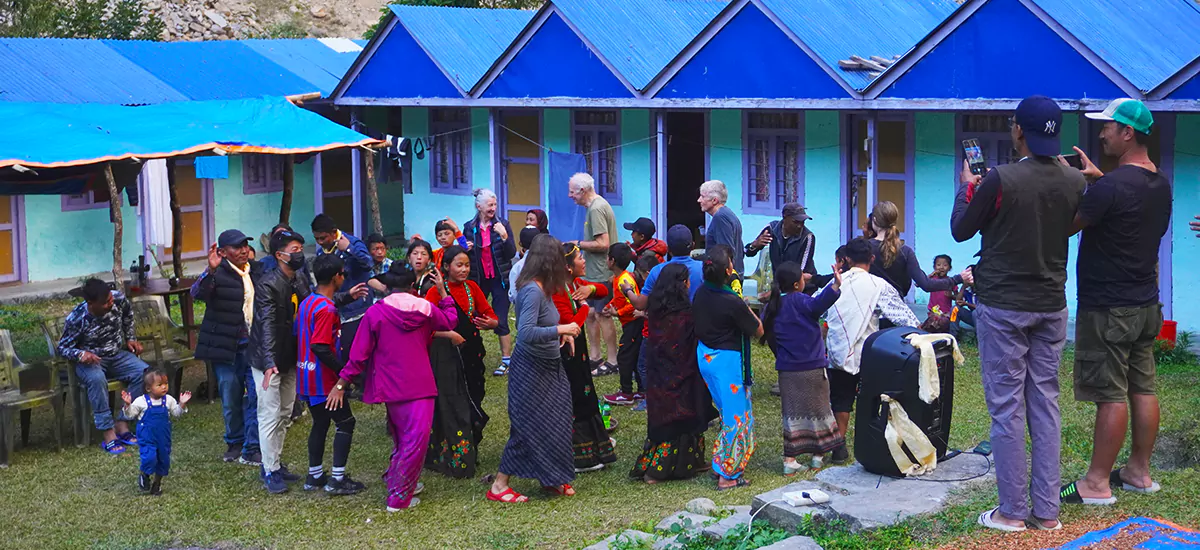
People enjoying the Tihar Festival.
Of course, nature can still surprise you. Some years, autumn comes late and the weather may shift. You might get a cloudy day when you were hoping for mountains. But most of the time, autumn gives you the best balance: comfortable weather, stable trails, and wide open views.
Spring: Flowers, Warmth, and Life Everywhere
Spring, from March to May, is the second golden season for trekking in Nepal.
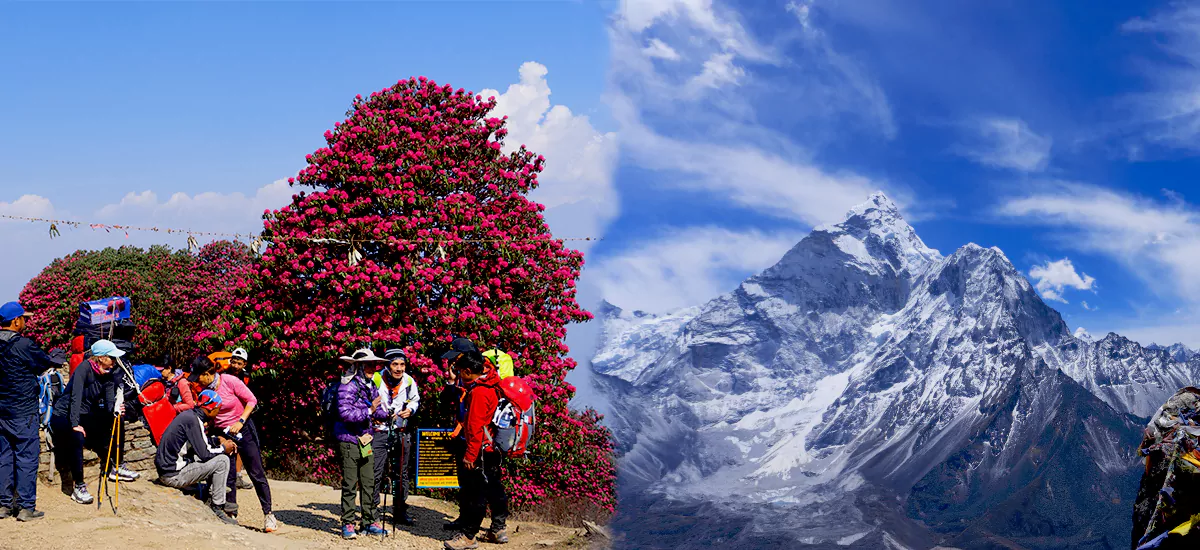
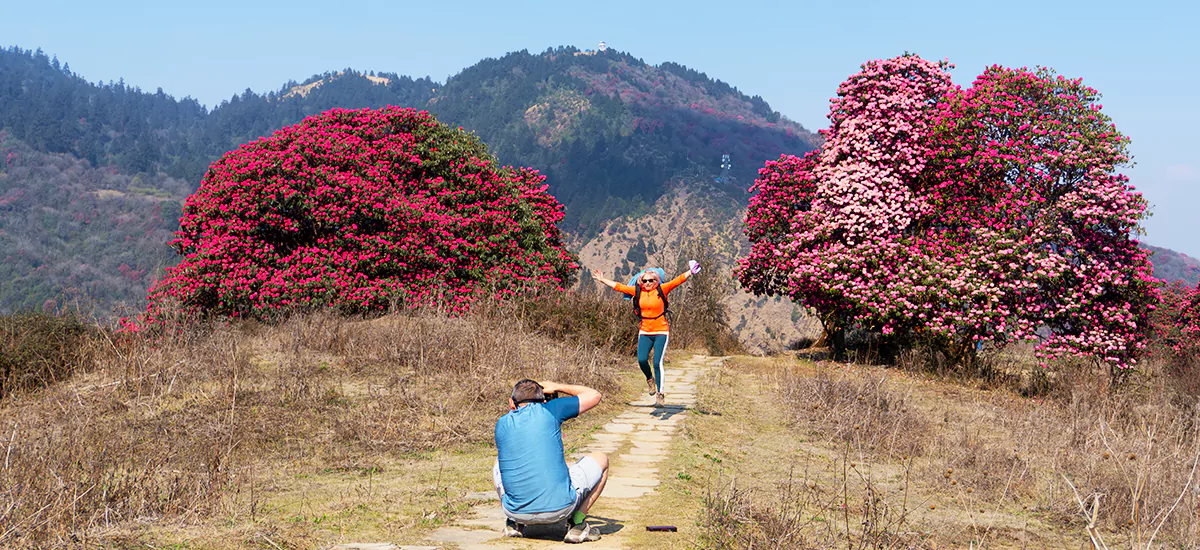
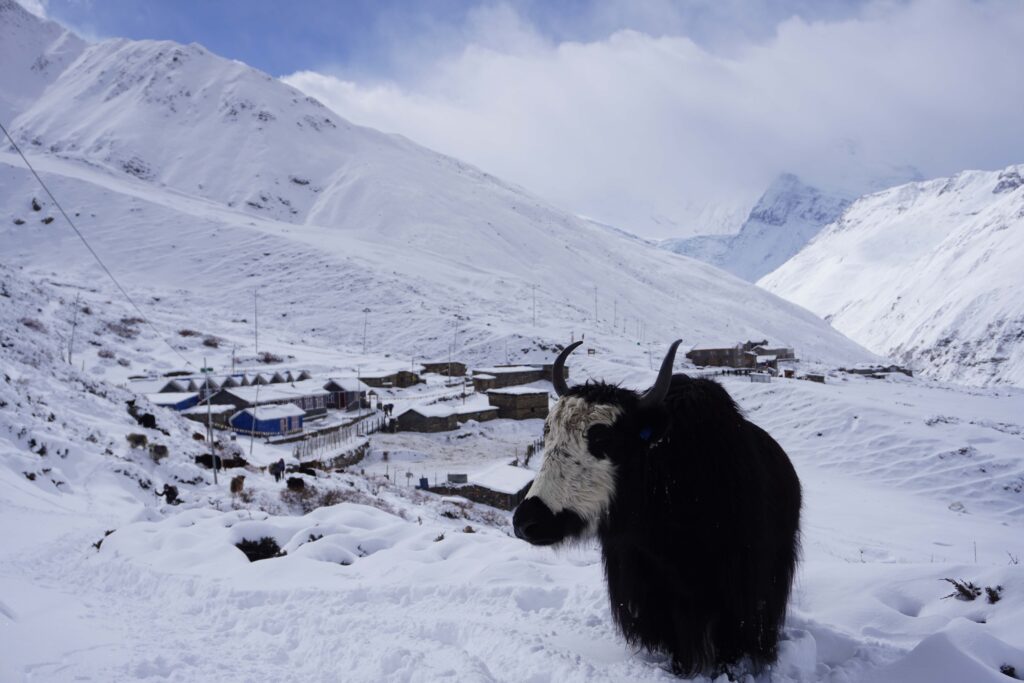
If autumn is about clear skies and festivals, spring is about life bursting out in color. This is when rhododendrons bloom in the hills. Whole forests turn red, pink, and white. Walking through them feels magical. Sometimes you’ll hear birds calling from the branches or spot yaks grazing on the higher pastures.
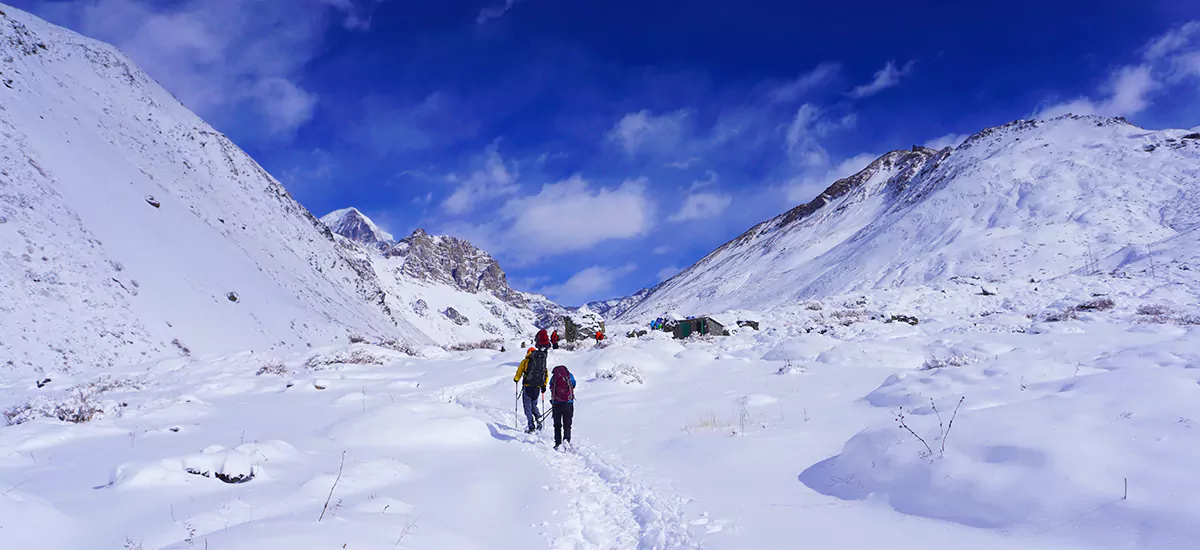
The weather in spring is warmer than in autumn. Days are pleasant, though it can get hot at lower altitudes. Up high, it’s still cool, and sometimes you’ll cross a pass where snow lingers. On routes like Everest Base Camp or the Annapurna Circuit, trekkers often find patches of snow that make the landscape even more beautiful.
One of my favorite memories is crossing Thorong La Pass in late April. There was still snow at the top, and the sky was that deep blue you only see at high altitude. Everyone was tired, but when we reached the prayer flags on the pass, the mix of colors, white snow, blue sky, bright flags; made the struggle worth it.
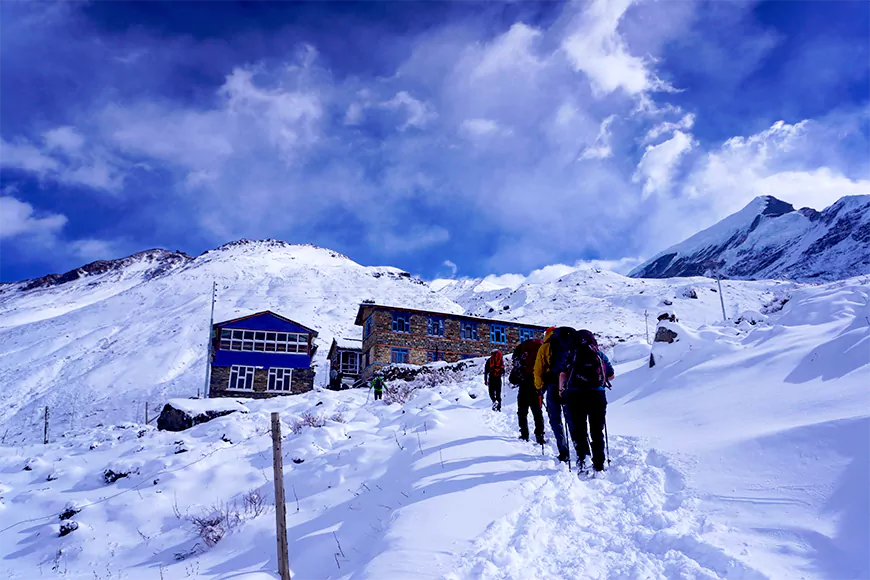
A snow-covered view of the Annapurna Circuit trekking trail in early spring.
Spring trekking also feels more social. The trails are busy, but in a good way. You meet people from all over the world, all chasing the same dream. By the time you reach the teahouse in the evening, you’re swapping stories with strangers who often become friends.
Why Not Monsoon or Winter? (but still possible!)
Some hikers ask, “What about monsoon or winter? Can I trek then?”
Yes, you can, but those seasons bring extra challenges.
The monsoon, from June to August, means heavy rain in many regions. Trails get muddy. Leeches appear in the lower forests. Landslides and floods can block paths or roads. Safety becomes a big concern, which is why I always recommend trekking with a guide during this time if you do go. That said, certain areas, such as Upper Mustang or Nar Phu Valley, lie in the rain shadow and remain dry. Those are good choices for monsoon treks.
Winter, from December to February, has its own beauty. The skies can be clear, and the trails are quiet. But it’s cold. At higher altitudes, water freezes, snow blocks passes, and nights bite through even the thickest sleeping bag. Only some routes, such as the Tsum Valley or lower-altitude treks like Poon Hill, are realistic then.
While trekking is possible year-round, autumn and spring are generally easier and more rewarding for most people.
Autumn vs. Spring: Which One Should You Choose?
Here’s a simple way to decide.
Pick autumn if you love crisp mountain views, cool weather, and want to experience Nepali festivals.
Pick spring if you want warmer days, blooming flowers, and don’t mind a bit of snow in the high passes.
Both seasons offer comfort, beauty, and a good chance for safe trekking. Some people even return to Nepal just to experience the trails in the other season.
Culture and Connection
One thing people forget when planning a trek is that it’s not only about mountains. It’s also about the people and culture.
In autumn, you might be welcomed into a Dashain celebration with a tika on your forehead and blessings for safe travel. In spring, you could see children playing Holi, throwing colors in the air, even in the hills. Both seasons let you connect with the rhythm of life in Nepal.
And when you sit in a teahouse, sipping hot tea after a long day, you’ll notice how these moments feel different depending on the season. In autumn, the air outside is sharp, and the stars feel closer. In spring, the evenings are softer, and you can smell flowers carried by the wind.
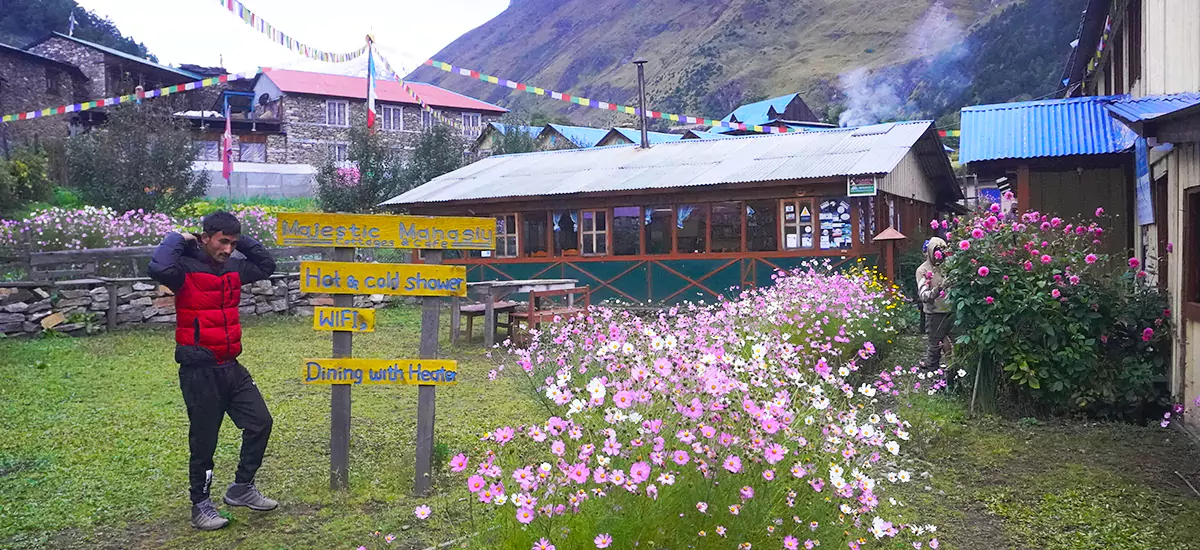
A view of a lodge from the Manaslu Circuit Trek.
Practical Tips for Trekking in Autumn and Spring
Since many people plan their trip based on these seasons, here are a few tips:
Book flights and lodges early: Both autumn and spring are busy, and spots fill fast, especially in places like Lukla or on the Everest and Annapurna trails.
Pack for layers: Even if it’s warm in the day, mornings and evenings can be cold. Bring a good down jacket and a hat, read our ‘Nepal Trek Packing List‘ blog for more details about Trekking gear.
Be ready for changes: Weather in the Himalayas doesn’t always follow the rules. A day of clouds or unexpected snow is part of the adventure.
Hire a guide: Not just for safety, but also for stories, culture, and connection. A good guide makes the trek more than just walking; it becomes a learning experience.
Respect local customs. Whether it’s a village festival or just a family you pass on the trail, a smile and a small respect go a long way.
Final Thoughts
Trekking in Nepal is not just about reaching a base camp or crossing a pass. It’s about the journey: walking through changing landscapes, sharing laughs with strangers, and watching mountains glow in the morning light.
And while Nepal is open for trekking all year, autumn and spring give you the best chance to see it at its finest.
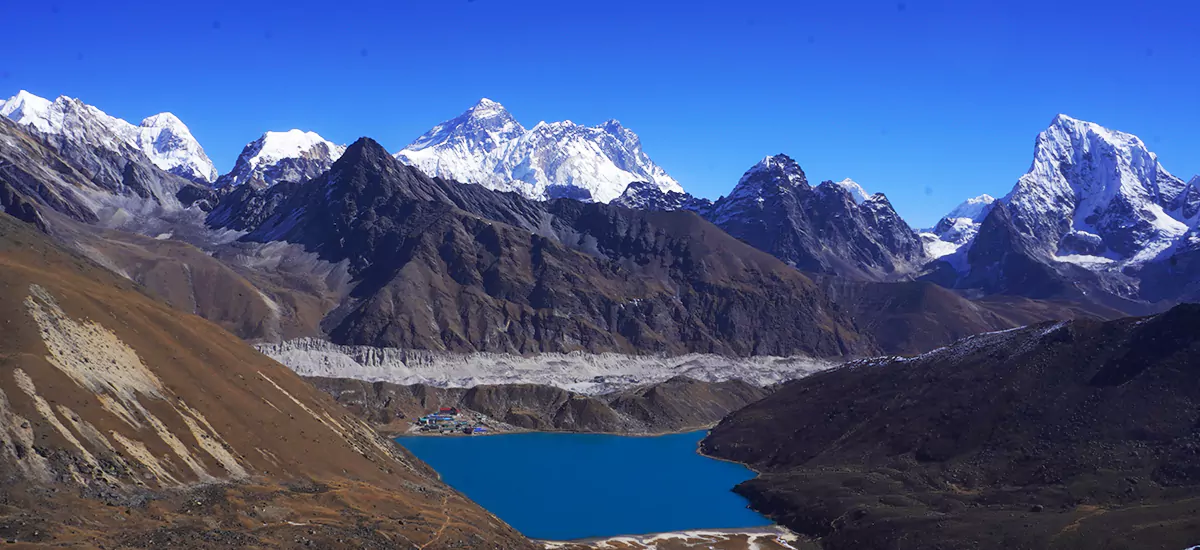
View of Mount Everest along with Gokyo Lake from Renjo La Pass
When I look back at my own treks, the clearest memories are from these seasons. The crunch of frosty grass under my boots in October. The burst of rhododendrons in April. The laughter of children during Tihar. The silence of snowy passes in spring.
If you’re considering trekking in Nepal, my advice is straightforward: visit in the autumn or spring. You’ll see the Himalayas at their best, and you’ll carry those memories with you for the rest of your life. Feel free to reach out to us if you have any questions or queries.
Here is a complete breakdown of what to expect for most Nepal trekking accommodation.
You will learn:
What a tea house is and what amenities they have
What to do at the tea houses
How to be a respectful guest
What’s on the menu (and what not to order!)
What to pack (and what not to pack!)
If you are planning to trek in Nepal, this guide will help you plan ahead and prepare for the accommodation. Let’s dive in.
Overview of Nepal Trekking Accommodation
Trekking in Nepal is a special dream for many adventurers around the globe. There is a range of different types of treks, from the famous Everest Base Camp Trek, to the secluded, spiritual journey on the Nar Phu Valley Yoga Trek, to the desert-like ancient landscapes of Mustang.
You might be wondering, “Where will I sleep on my Nepali trek?” The answer for most treks is in tea houses! When Nepal first opened up to allow foreigners to venture into the Himalayas (nearly 80 years ago), people would pitch their own tents or pay a small fee to be hosted in local homes. The warm hospitality of Nepali people continues to this day, in the form of tea houses.
What is a Nepali Tea House?
A tea house is a simple lodge that hosts trekkers in the Himalayas. They have rooms for overnight stays and dining halls that serve breakfast, lunch and dinner (and of course, TEA!). Run by locals, you can expect delicious and fresh Nepali cuisine as well as some international dishes.
The rooms are simplistic and cozy, with small beds, a light and perhaps a table. Depending on the region, the elevation, and the cost of the room, the quality can vary. In fancier tea houses you can expect electricity in the rooms, attached bathrooms and western-style toilets. More basic tea houses have shared bathrooms, often with traditional squat toilets, and no electricity.
Tea House Amenities
Dinning Room
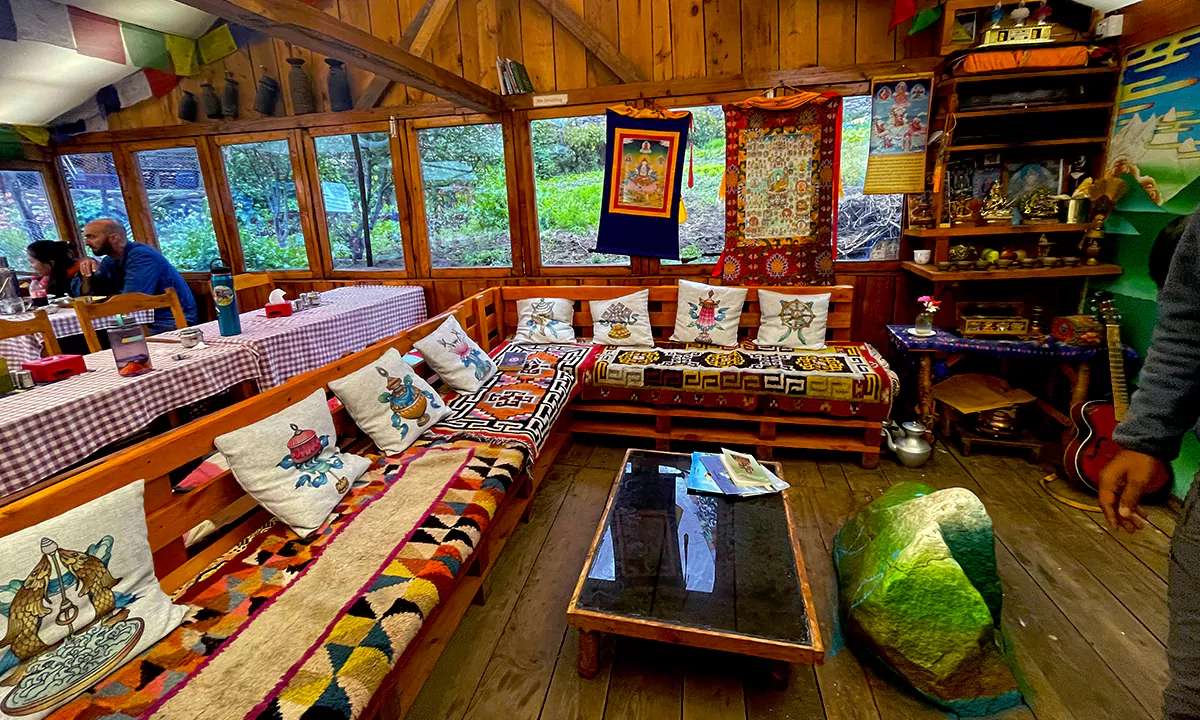
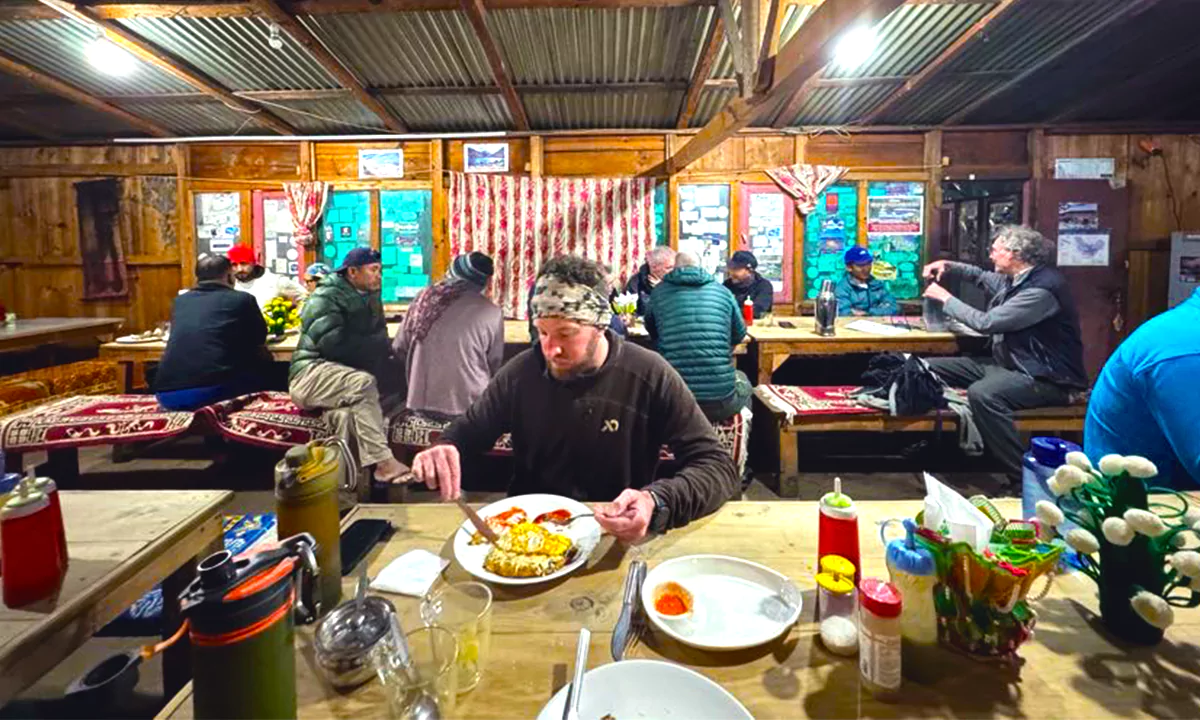
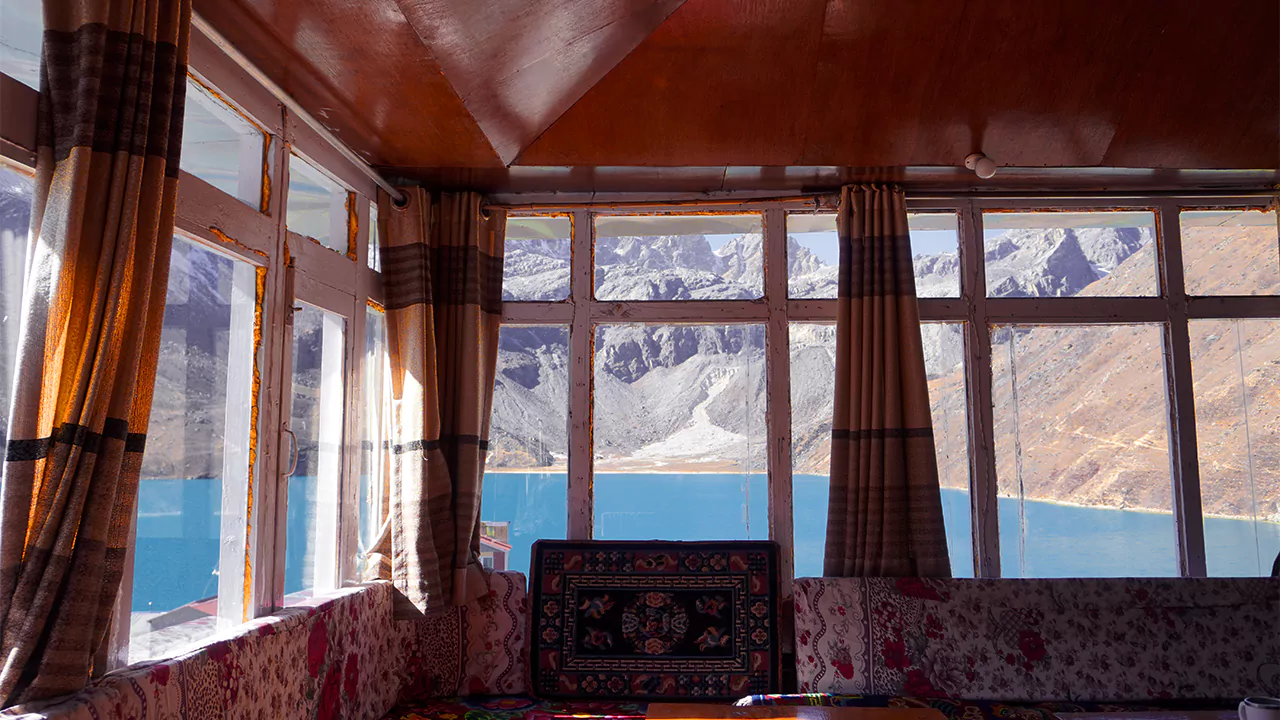
Every tea house has a communal dinning room with a kitchen attached. There is usually a wood or gas stove to warm up the room in the evenings. The heat draws people in not only for meals, but to hang out. There are usually simplistic tables and chairs or benches. Some dinning halls are used as overflow sleeping spots during busy times. There are usually utensils and condiments on the tables, decorations around the walls, and windows, sometimes with a special mountain view.
Usually only staff go in and out of the kitchens and are the liaisons between the guests and the tea house. It is common Nepali hospitality to serve guests first and then the hosts eat later. Your guide and porters will likely serve you first and then eat their dal bhat at the end of the night.
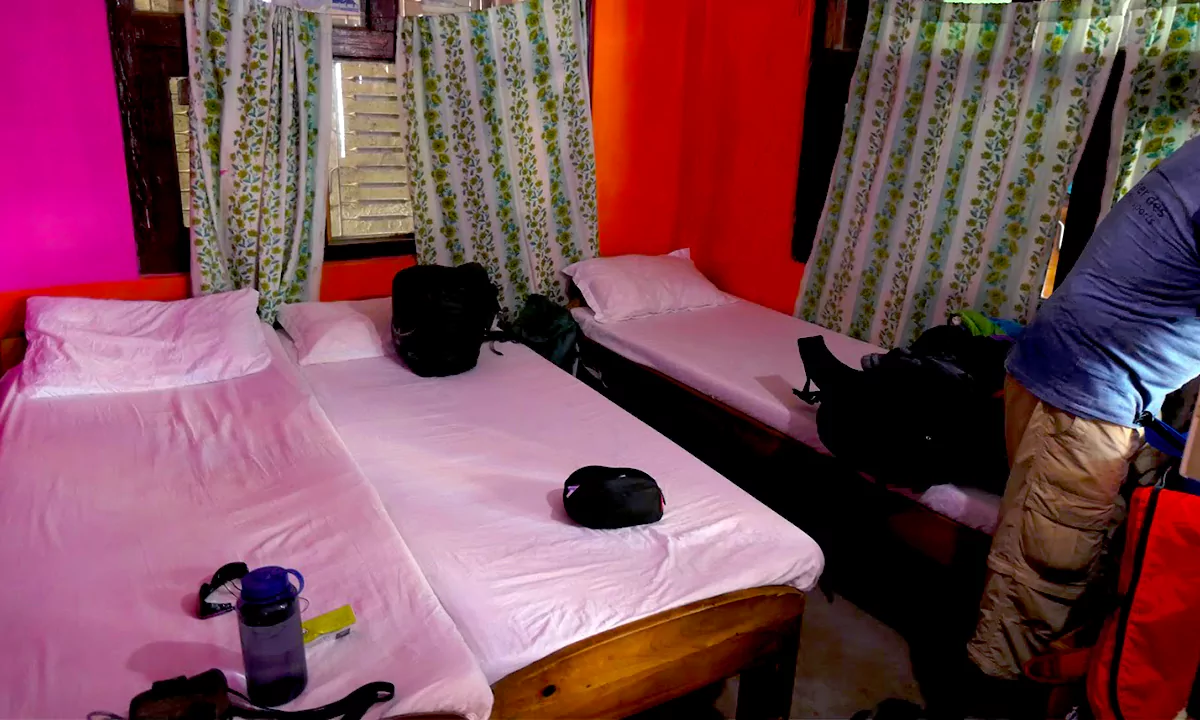
Tea house rooms are, for the most part, extremely basic, especially when you get way up there in the mountains. There are usually a few beds, a small table, a dustbin and a light. If you’re lucky, there will be a window or two, with a spectacular view! There may or may not be a charging outlet in the room. The walls are usually quite thin so the sound can often travel quite easily.
Beds
There are usually room options with 1-3 beds available; one double bed and/or a few single beds. The beds are wooden platforms with a thin mattress on top, covered in a sheet. One pillow and one blanket are provided per bed. It is recommended to trek with a sleeping bag (and liner) to use in addition to the blanket and keep things clean. Some tea houses wash the sheets and pillowcases every day, but admittedly, not every tea house can (no plumbing, washers or dryers here!).
A tea house guest room
Bathrooms
There are shared bathrooms as well as attached bathrooms at some tea houses. Across Nepal, most people use squat toilets and water as opposed to western-style seated toilets and toilet paper. As a result of so many foreigners venturing into the Himalayas, more seated flush toilets have been implemented. Most tea houses, however, still do not provide toilet paper so you need to bring your own. Toilet paper goes in the dustbins provided, not in the toilets.
Soap and towels are not provided so be sure to bring your own. In some cases, the bathrooms are outside, separate from the house (which is traditional Nepali style). There are often not mirrors or sinks in shared bathrooms; the sinks are outside and, who needs a mirror while trekking anyways?!
Showers
Not all tea houses have showers for guests. You can ask your guide which tea houses have showers and plan your shower (and hair washing) schedule accordingly! In some attached bathrooms there are showers, usually with cold water, or just a toilet and sink. At certain tea houses, not all of them, they have hot showers which you can use for a small fee.
Some of the showers are heated by gas and some use solar heating and depend on the day’s weather. Please do not have long hot showers and never wash your clothes in the hot water. The resources in the mountains (and the world!) are limited and need to be conserved and shared amongst everyone. It is a good idea to bring your own shower shoes. In some tea houses, a hot shower is a bucket of water boiled on the woodstove! It’s all part of the adventure.
Food
Tea houses offer a menu of items for breakfast, lunch, dinner and snacks. You can choose from a variety of local and international dishes. It is usually requested that you order dinner before 5pm and order breakfast for the following morning before going to bed. It is assumed that you will eat at the tea house where you are staying.
For lunch, when you stop along the route, be prepared to wait some time for them to make your food fresh.
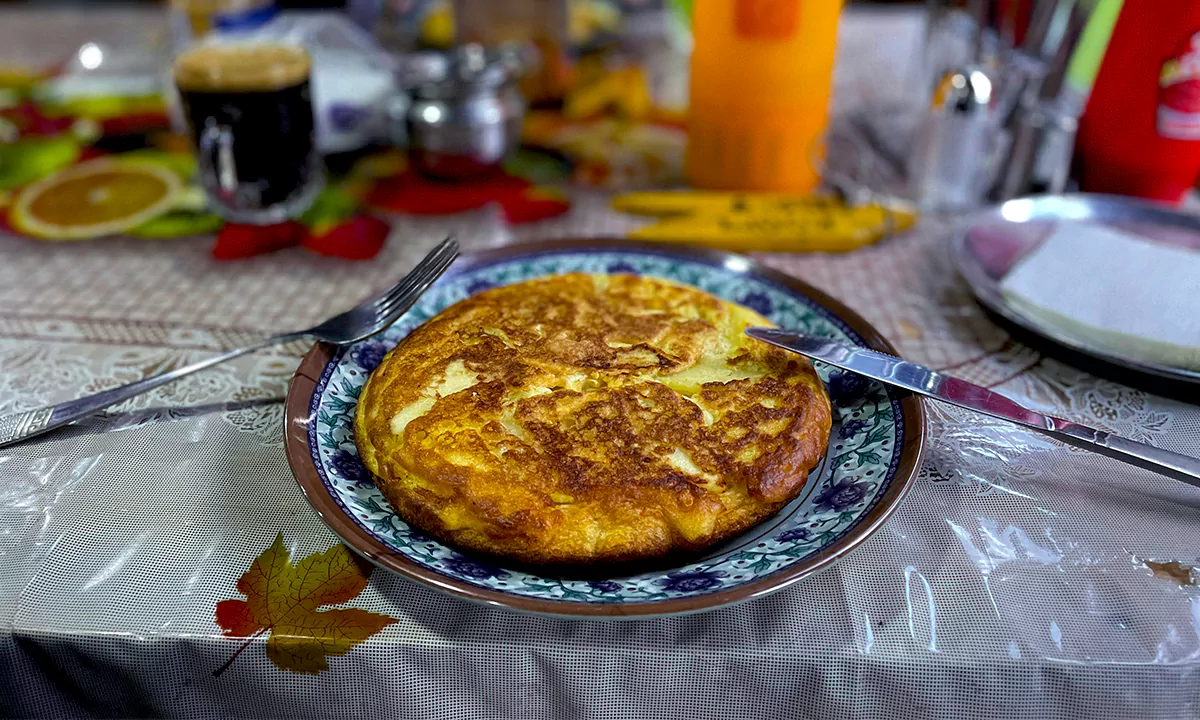
A guest finishing up their Tibetan bread & omelet at breakfast
Heating
At higher elevation, when the temperatures are lower, there is usually a glorious wood stove (or in some cases, a gas heater) in the communal dining halls. The stoves are usually only lit during the evenings, so bundle up for breakfast! Although the little stoves can pump out a lot of heat in the dining halls, the guest rooms, however, are not heated. This means that cozy sleeping clothes and a warm sleeping bag are a good idea.
Wifi and Electricity
It is truly incredible that for most treks, at most tea houses, there is electricity, wifi and even local cell service deep into the Himlayas. We’re talking about connecting to the world wide web in the middle of the Himalayas. WILD! That being said, the electricity and wifi can be pretty unpredictable and unreliable and some tea houses have solar power only.
As far as charging your devices, some tea houses have outlets in the guest rooms, and most of the time there is communal charging in the dining halls (for a small fee). It can be useful to have a power bank for portable charging when there’s no electricity.
We suggest that you take this unique opportunity to completely disconnect from the online world and immerse yourself fully in the experience. Your guide will take care of everything for you, no need to be route-finding or translating.
Luxury Amenities
Along certain more established treks, such as the Everest Base Camp Trek, there is the option to stay in much nicer tea houses. Extra amenities that might be included are electric blankets, electricity in rooms, nicer views, attached bathrooms, a desk and chair, hot shower, and more comfortable beds.
If you’re interested in staying in fancier tea houses along the way, you can inquire with your trekking company about prices and what is available.
Tea House Activities
Depending on your itinerary and pace, you will likely show up at your overnight tea house in the afternoon or early evening with plenty of down time. You might be wondering what is there to do at tea houses? We suggest taking this time to sloooooow down, disconnect from the online world and reconnect to more meaningful things.
Here are some ideas of what to do at the tea houses:
First, take off your trekking boots (perhaps the best feeling in the world?!!!)
But seriously, try to change your clothes and wash up right away so you don’t get cold and uncomfortable
Take rest
Maybe you nap, maybe you just cuddle into your sleeping bag for an hour or two and BE
Enjoy the surrounding nature
Take in the surrounding are try to catch as many sunrises and sunsets as you can
Go for a walk
This is a good idea for your physical body to keep things moving and see the unique places you’ll be staying
Visit monasteries and temples
Buddhist and Hindu religions are a huge part of Nepali culture
You are often welcome to enter into the monasteries, for a small fee or donation
Stretch
So good for the physical body to re-set after a long day
You can stretch outside or on your bed
Hike up to higher elevation
Including acclimatization hikes are more important as you continue to gain elevation
This means hiking up higher than you will sleep for the night
Sometimes these are already included in your itinerary
Learn about the culture
Get curious, ask your guide questions, learn the language and observe the way of life of the local people
Read
Having a book or e-reader can help pass the time in the afternoon and before bed
Play games
Be sure to have a deck of cards and other small games on hand
Ask your guide about the classic Nepali trekking card game “dhumball” (pronounced doom-ball) and see how shocked they are that you’ve heard of it!
Explore the village
Support local shops and cafes
Visit specialized offerings such as the Gurung Museum in Ghandruk, Annapurna, or the yak cheese factory in Kyanjin Gompa, Langtang
Observe the local farming practices, housing architecture and rural way of life
Review photos and reflect on the day
You are likely going to take tons of photos! It can help to go through them throughout the journey and share them around to your group
It’s also a nice opportunity to think back on all you accomplished in the day and how far you came
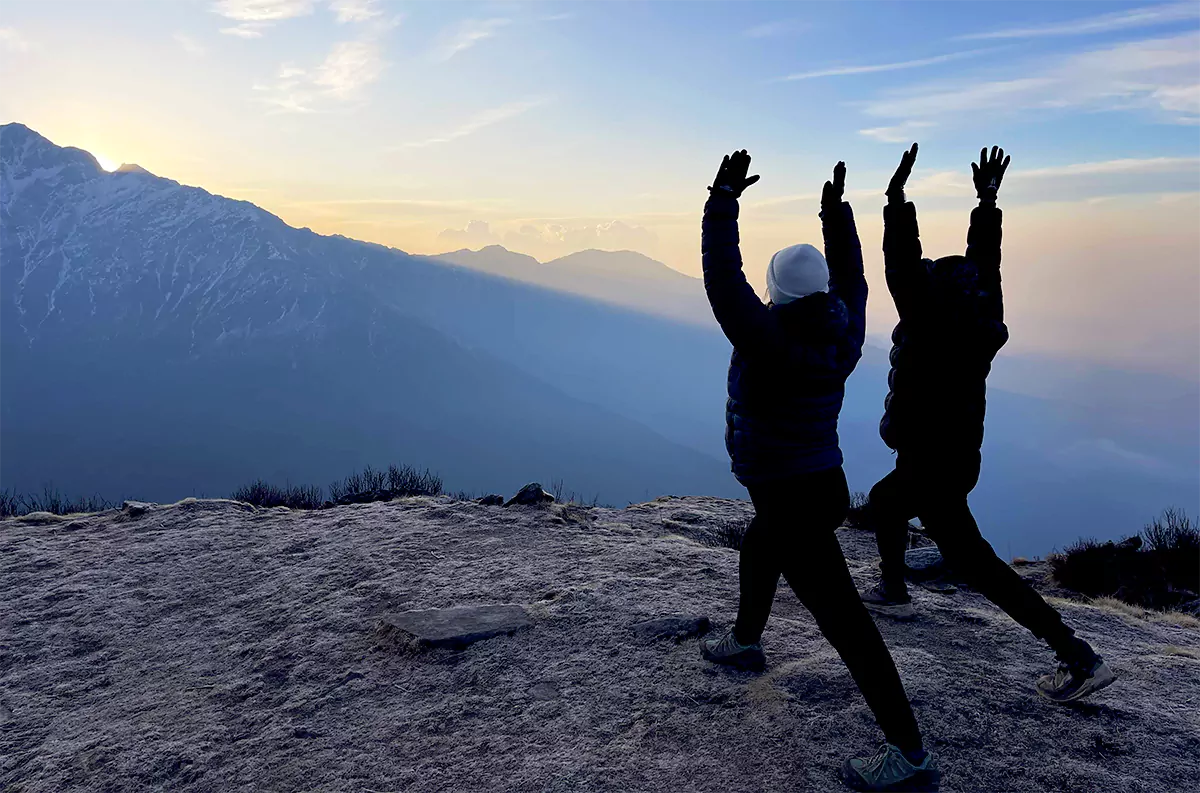
Practice yoga or meditation
Time in the Himalayas is such a gift and can be a beautiful opportunity to go inward
At Himalayan Peace Treks, we offer a yoga trek into the remote Nar Phu Valley that includes daily yoga and meditation
Journal
Recounting your days can be a special practice while trekking and travelling
Listen to music and podcasts
You might need to have these pre-downloaded, especially if you’re planning to be offline for the whole trek
Sketch
Get your creative juices flowing and document what you see in an artistic way
If you’re reading this, you’re already on the right track and interested in staying in Nepal trekking accommodation in a respectful way. First and foremost, be kind.
If you wouldn’t do something in your own country such as walk into someone’s home without asking, pick something from someone’s garden, or leaving a mess in the bathroom, then don’t do it in Nepal either!
We are so unbelievably lucky to be welcomed into the local villages and in some cases people’s homes, we want to respect that honour.
Please DO:
DO Look to your guide for an example and ask them for their local insight
DO Ask before taking photos of people, their children and their homes
DO Ask before entering homes, kitchen and gardens
DO Clean up after yourself
DO Treat religious items with care
Many tea houses will have an area, or an altar, with precious religious items such as photos of their deities, a bell, a burning candle or incense, and offerings such as flowers or food. Feel free to look (only) and be sure to ask before photographing
DO Use your right hand for eating and handling items
In Nepal the right hand is considered sacred, if you are giving someone money, try to use your right hand to do so as a sign of respect
DO Turn off lights and unplug chargers when not in your room to help conserve electricity
DO Speak and play music quietly around the tea houses
DO Say “Namaste” as a greeting and “Dhanyebaad” to express your thanks
Please DO NOT:
DO NOT Touch the aforementioned altar (this includes not blowing out the flame or taking photos without permission)
DO NOT Put your feet towards a cooking fire
DO NOT spit, throw garbage or hang clothes over a cooking fire
DO NOT Urinate on a fire (or blow out a flame with your mouth)
DO NOT Urinate in water sources or public spaces
DO NOT Change your clothes publicly or walk around without clothes
DO NOT Heckle menu prices
DO NOT Take extra blankets without asking
What’s On the Menu
From one village to the next, the tea houses offer many similar items, however the menus themselves are surprisingly large and flavours and cooking styles change from tea house to tea house. You can get a range of local Nepali, and in some regions, Tibetan cuisine, as well as more familiar western dishes.
Often the food is made fresh with vegetables that are grown in the local fields. Menus are written in English and offer some dishes seasonally based on what is available. Allergies and common food requirements can usually be accommodated for things such as gluten-free, vegetarian and vegan. Of course, use your own discretion and know that the kitchens are usually tiny and cross-contamination will happen.
A Nepali Favourite
The most recommended dish is Nepal’s national dish, dal bhat. If you haven’t tried it yet, get ready to fall in love with this delicious dish! A simple dal bhat consists of white rice (bhat), lentil soup (dal) and vegetable curry. Additional items on a dal bhat plate might include sauteed greens, a spicy sauce, local yogurt, meat curry and a few slices of cucumber and carrot.
Dal bhat is always cooked fresh and features local vegetables and rice whenever available. The dish is so beloved that Nepali people eat it every day for lunch and dinner! It is also part of the culture to offer unlimited refills, so it truly is the perfect, hearty dish to fill you up after a long day of trekking.
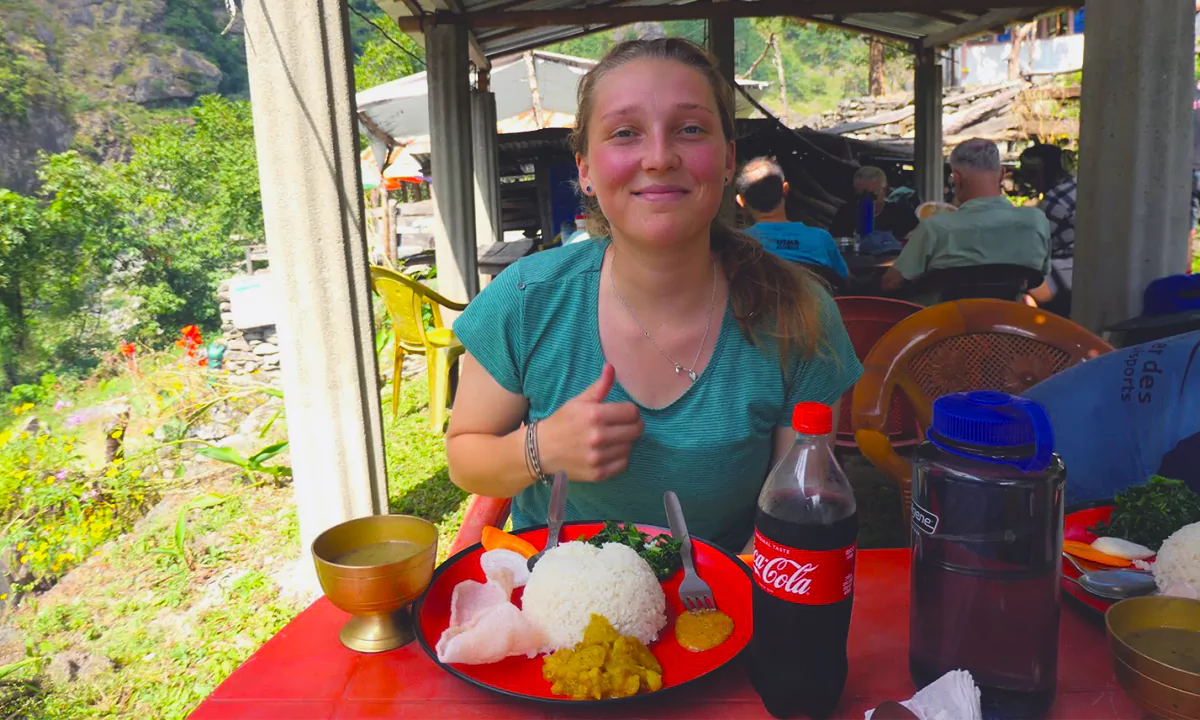
A guest ready to dive into her dal bhat
Breakfast
For breakfast you can expect mostly western dishes including pancakes, oatmeal/porridge, muesli, toast and eggs. If you want to try a delicious local option, look for “gurung bread” (which you’ll see along the Annapurna Base Camp Trek) or “Tibetan bread” on the menu, which you can eat with jam, honey or an omelet.
Another local breakfast item to keep an eye out for is “champa porridge” (sometimes written “tsampa”), which is a blend of different grains and comes with chopped fruit when available. Order your breakfast the night before so that the kitchen can prepare and it’s ready when you wake up.
A vegan apple pancake
Lunch
On most days of the trek, you’ll be stopping at a tea house for lunch along the way. If you’re looking for a quick option, you can order fried rice, fried noodles, or soup. Dal bhat is also available for lunch but it might take a little longer for them too cook it from scratch.
Momo are another highly recommended Nepali dish. Originally from Tibet, momo are dumplings served with a spicy sauce or ketchup and filled with sauteed vegetables or meat.
Dinner
You will eat dinner at the tea house that you are staying at for the night. On a regular trekking day, you will arrive sometime in the afternoon, freshen up, and then head to the dining hall to order your dinner and relax. Of course, dal bhat is recommended (have we convinced you to try dal bhat yet?!), but you have the whole menu to choose from!
Western dishes include pasta, sandwiches, and maybe even burgers or pizza. A little heads up, these dishes are usually loose interpretations of the classics we know and love, so manage your expectations.
Snacks & Dessert
There might be a time that you arrive early in the afternoon, or want a sweet treat after dinner. Snacks and desserts are usually not included in most trekking packages so you can expect to pay on your own in local Nepali rupees. You’ll see familiar snacks such as French fries and popcorn, but you might also like to try some Nepali snacks such as “chili” or “sadheko” dishes.
Anything listed as “chili”, for example, chips chili, tofu chili or momo chili, will be cooked in a spicy sauce with onion, tomato and green peppers. Anything listed as “sadheko”, for example, peanut sadheko, aloo (potato) sadheko, or bhatmas (soybean) sadheko, is salad-ish, with chopped veggies, spices, hot peppers, and fresh cilantro. A great protein packed local favourite!
Desserts are usually available at more established tea houses, with items such as deep-fried snickers bars, and homemade apple pie and rice pudding.
Drinks
When you trek with Himalayan Peace Treks, an ethical trekking and travel company, your trek package includes a tea or instant coffee at every meal. Nothing better than a hot drink on a chilly morning.
Nepali people absolutely love tea; it’s tricky to attend a meeting, visit a friend, or attend a ceremony without being offered tea immediately. You absolutely must try Nepali “masala tea” which is a milk tea, flavoured with local spices like cinnamon, cardamom, bay leaves, and cloves. Additionally, on some treks like the Langtang Valley Trek, you’ll see “Tibetan tea” on the menu, which is tea made with butter, sugar, salt and spices prepared in a tall wooden churn. Some fancy tea houses have an espresso machine where you can treat yourself to an Americano or latte.
For tea and coffee alternatives, you might want to try “hot mint”, which is fresh mint in hot water, “hot lemon”, which is either fresh lemon or a lemon powder, and “hot ginger” which is fresh ginger boiled in water, on the menu. Things like beer, juice and pop can also be purchased for an extra cost, paid in Nepali rupees.
Looking forward to a warm tea?!
What Not to Order
Most food along the trekking routes is hygienic and delicious because they cater to tourists. Dal bhat (is the best, have you heard?), is cooked fresh with local ingredients and is usually safe to order everywhere. If you have a sensitive stomach, be sure to avoid spicy dishes and ask your guide about the spiciness level before ordering. Please do not over order food: food waste is unfortunate and environmentally harmful.
When it comes to ordering meat in Nepal trekking accommodation, many trekkers choose to avoid eating it once at higher elevation. In many regions, the killing of animals is prohibited, so any meat on the menu has to be carried in and then stored without any modern refrigeration. Even in regions where killing animals is allowed, when you get up to higher altitudes, any meat there will have been carried in. You can even see the meat being carried in bamboo baskets on the backs of porters. At the end of the day, it’s up to you, but now you’ve been lovingly warned.
As you gain in elevation and altitude sickness is a possibility, it is recommended to avoid (or at least greatly reduce) drinking alcohol or lots of caffeine, in order to help your chances of preventing altitude sickness. Monitor your symptoms and see how you feel, everyone’s tolerances are different.
At Himalayan Peace Treks, we recommend limiting how much you purchase bottled and packaged items because there is no reliable garbage or recycling disposal. You can read more about trekking sustainably in Nepal here. You are responsible for filtering your own drinking water and we do not recommend purchasing plastic bottled water. Please come with your own filtration system or plan to purchase boiled water along the way.
Tea Houses by Region
Everest Region
Out of all Nepal’s trekking accommodation, the tea houses on the way to Everest Base Camp are among the nicest, most comfortable and modern that you will find. It is such a famous, well-travelled route that there’s something for everyone along the way! There is a range of quality including more basic, standard tea houses, and then more luxury options.
Although not every village or stopping spot has the option for a luxury tea house, overall the tea houses along the Everest Base Camp Trek are quite comfortable. In the more established villages like Namche Bazaar, you will find a few bakeries, pubs and coffee shops. If trekking an alternative route in the Everest region such as the Everest Three Passes Trek or Gokyo Lakes Trek, you can expect more simplistic tea houses at higher elevation.
Incredible views out the window in the Everest region
Annapurna Region
Similar to the Everest region of Nepal, the Annapurna region is quite popular. The Annapurna region was one of the first regions to open up to foreign trekkers so is much more established than a route like the Tsum Valley Trek (only open to trekkers for twenty years). The tea houses on some of the popular routes in the area such as the Annapurna Circuit Trek, or Annapurna Base Camp Trek are very comfortable, with experienced cooks and more thoughtful designs. The tea houses at Annapurna Base Camp itself have incredible mountain views out the windows!
At high elevation, tea houses are more simple, because of the challenge of bringing materials in. If you’re interested in trekking off-the-beaten path and okay with more basic tea houses, one of our absolute favourite treks is the Nar Phu Valley Trek (did we mention we have a Nar Phu Yoga Trek as well!?), that ventures into a remote part of the Annapurna region. We love the Nar Phu Valley because it is more authentic to Nepali living in the mountains and showcases traditional villages and architecture.
Along the short and sweet Mardi Himal Trek in the Annapurna Region
Manaslu Region
The Manaslu region is another favourite of the Himalayan Peace Treks’ team as it is quieter and offers spectacular routes. The tea houses are not as established as the Everest or Annapurna regions, but are becoming newer and nicer as time goes on. At lower elevation the tea houses are more comfortable with attached bathrooms and electricity in the rooms. At higher elevation the tea houses become more rugged and sometimes the bathrooms are squat toilets that are outside.
If tackling Larkya La Pass (5106 m), the high mountain pass on the Manaslu Circuit Trek, you will have one night before the pass at a very basic tea house and can expect to sleep in a shared room or tent. Wifi and electricity can be unpredictable – but we recommend unplugging anyways! If you would like an even more remote trek and are okay with basic tea houses, you might be interested in the Upper Manaslu Circuit Trek or the Tsum Valley Trek.
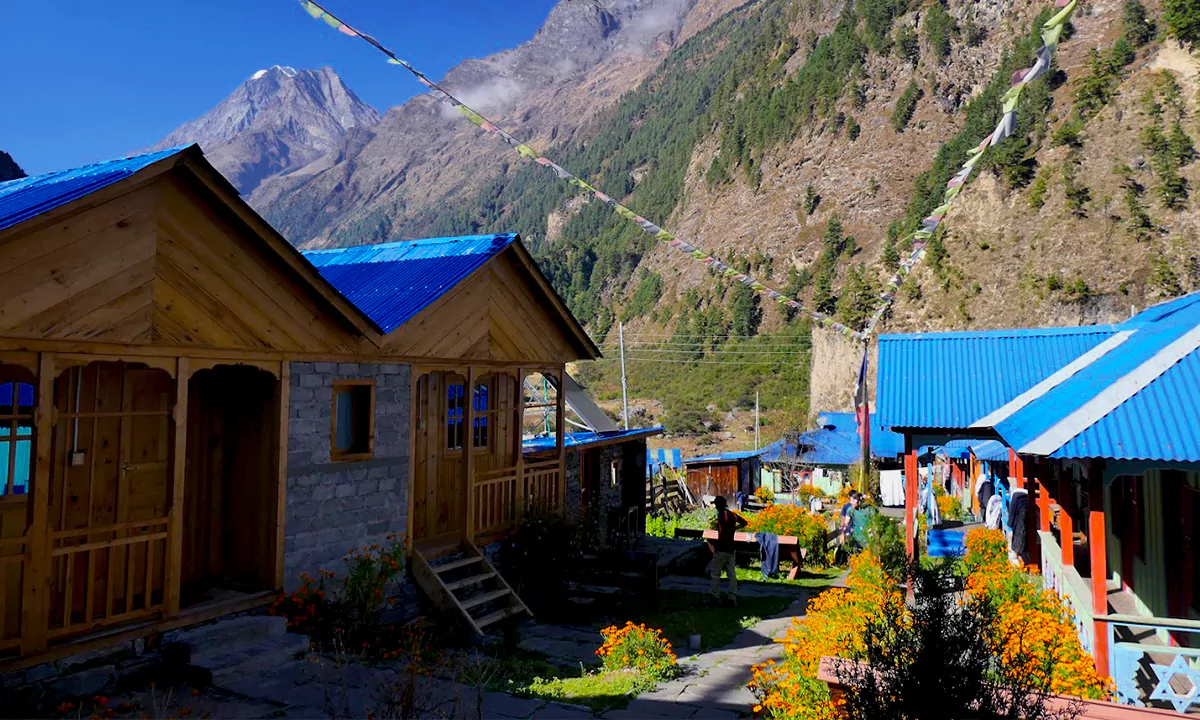
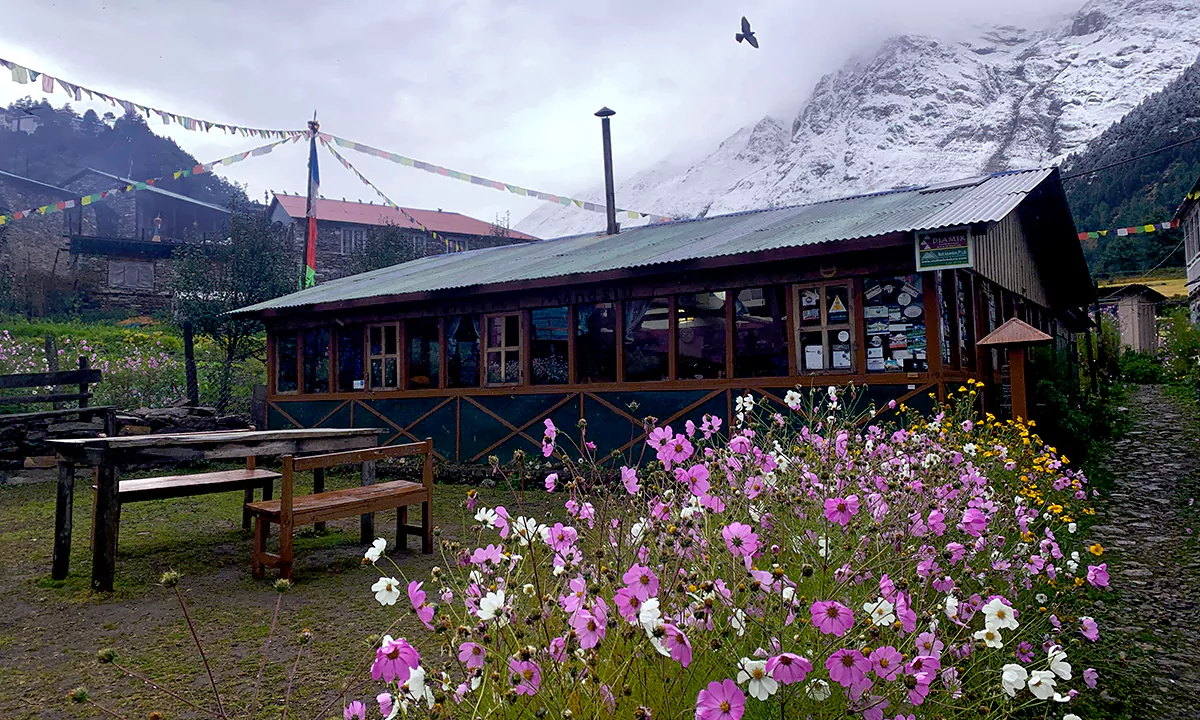
Prayer flags and flowers outside a tea house in the Manaslu Region
Langtang Region
Tea houses in the Langtang region are fairly comfortable. The region was heavily impacted by the 2015 earthquake that shook Nepal and they have since been rebuilding. This means that many of the tea houses are more modern and designed to suit traveller’s needs. Tea houses have communal dining halls with a warm woodstove and simplistic rooms.
Depending on the tea houses, you may or may not be able to get a room with an attached bathroom and a mountain view! For an off-the-beaten path trek in the Langtang region, you might be interested in trekking up to Gosikunda Lake or staying at lower elevation and doing the Tamang Heritage Trek. Both of these routes have more basic tea houses and food available.
Two guests outside of a tea house on the Langtang Valley Trek
What to Pack
There are some key items that will specifically help to make your stay in Nepal trekking accommodations more comfortable. For a complete and thorough breakdown of everything you need to pack (with printable checklists!), you can check out Himalayan Peace Treks’ Complete Nepal Trek Packing List.
Sleeping Bag
If your trek ventures to high altitude or you’re heading off in the winter, a good sleeping bag is a must! A blanket usually comes with each bed and Nepali locals usually just use the one blanket, but for most people a second layer of warmth is needed for chilly nights. You can bring your own or rent in Thamel, Kathmandu or Pokhara.
Portable Charger/Power Bank
Not always necessary for every trek, but sometimes there’s no electricity at tea houses or no charging outlets in the rooms so a portable charger can be helpful.
Earplugs
If you are a light sleeper, you might benefit from earplugs to block out sound through thin walls. Usually at nighttime it is quiet (no horns or sirens here!), but if you want to go to sleep early or nap in the afternoon, earplugs can be handy while everyone else is bustling around.
Eye mask
Not necessary for everyone, but if you struggle to sleep with light distractions, an eye mask would be a good one to pack. Some tea houses have outdoor lights that stay on and, depending on your room location, might stream directly onto you!
Reusable Water Bottle and Filtration System
Please be sure to have your own bottle and way of filtering water so that you do not need to rely on plastic bottled water.
Headlight
Necessary if you are planning to do a trek with a sunrise hike or a high mountain pass, however having your own headlight (head torch, head lamp, etc), can help around the tea houses at night as well. It is not uncommon for the electricity to go out, or for some bathrooms to be without light and outside of the tea houses.
Toilet Paper
Many tea houses do not provide toilet paper. Bring your own or plan to buy some along the way.
Soap & Hand Sanitizer
Soap for your hands and body are recommended for the tea houses as well as hand sanitizer. Most tea houses do not provide soap in attached bathrooms and it often runs out at the communal sinks.
Towel
Only necessary for longer treks in which you intend to shower. Towels are not provided by tea houses. We recommend bringing a small, lightweight towel.
Wet Wipes
A great idea for the tea houses that do not have showers or for when it’s too darn cold to get in the water!! Only a select few tea houses have hot showers.
Shower Shoes
These are a good idea and can be easily shared among couples and groups. If you have sandals to wear around the tea houses that are rubber, they can double as your shower shoes.
Tea House Shoes
Be sure to bring shoes that you can wear around the tea houses. Depending on preference, this might be a light pair of running shoes, slides or even crocs. Make sure that they are comfortable (you are asking a lot of your feet already!) and can fit a thick cozy pair of socks
Small Activities
Books, journals, cards and small games
What NOT to Pack
Meals
It is not recommended to bring your own food for breakfast, lunch or dinner. If you’re heading into the Himalayas, plan to support the local tea houses and eat where you’re staying. Of course, it is recommended to carry your own snacks, but please don’t do things like ordering only hot water for breakfast and making your own oatmeal.
Camping Supplies
No need to bring your own tent, tarp, cooking stove or other heavy-duty camping gear. That is the beauty of Nepal trekking accommodation, everything is taken care of!
Excess
It’s hard to describe “excess”, however it’s incredibly important to keep it simple and pack light while trekking in Nepal.
When trekking with Himalayan Peace Treks, we uphold a safety standard of only allowing our porters to carry a maximum of 20 kg (that’s 10 kg per person) so please keep this in mind while packing.
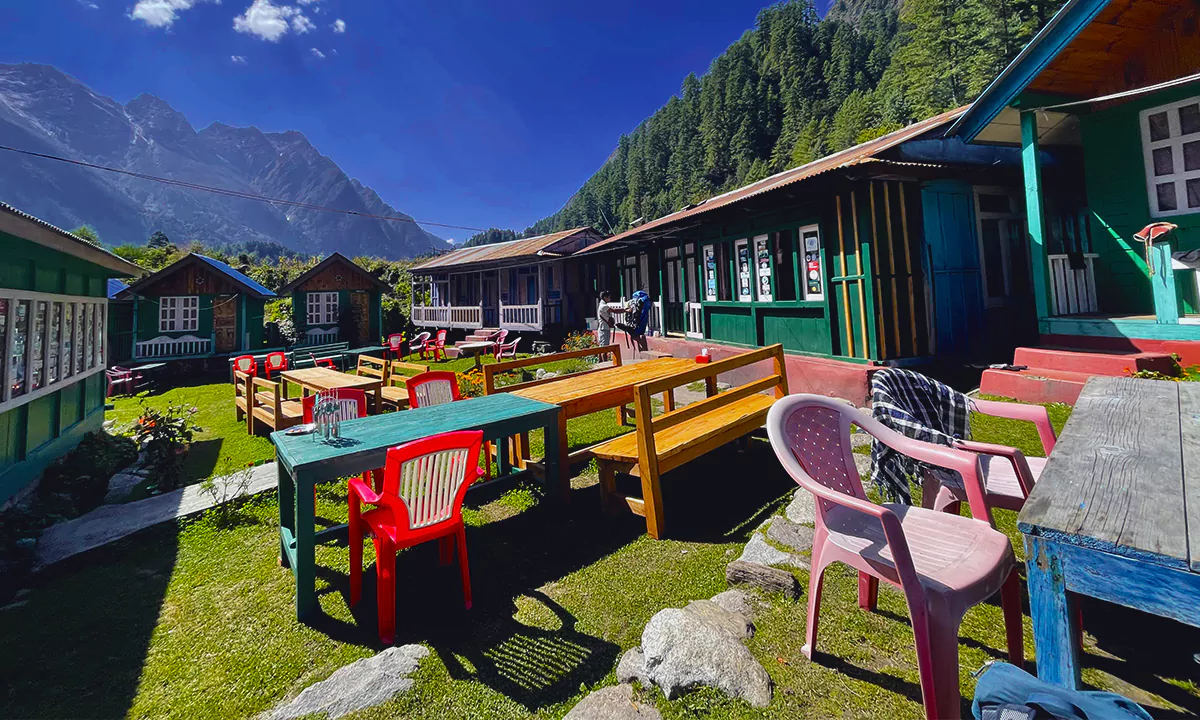
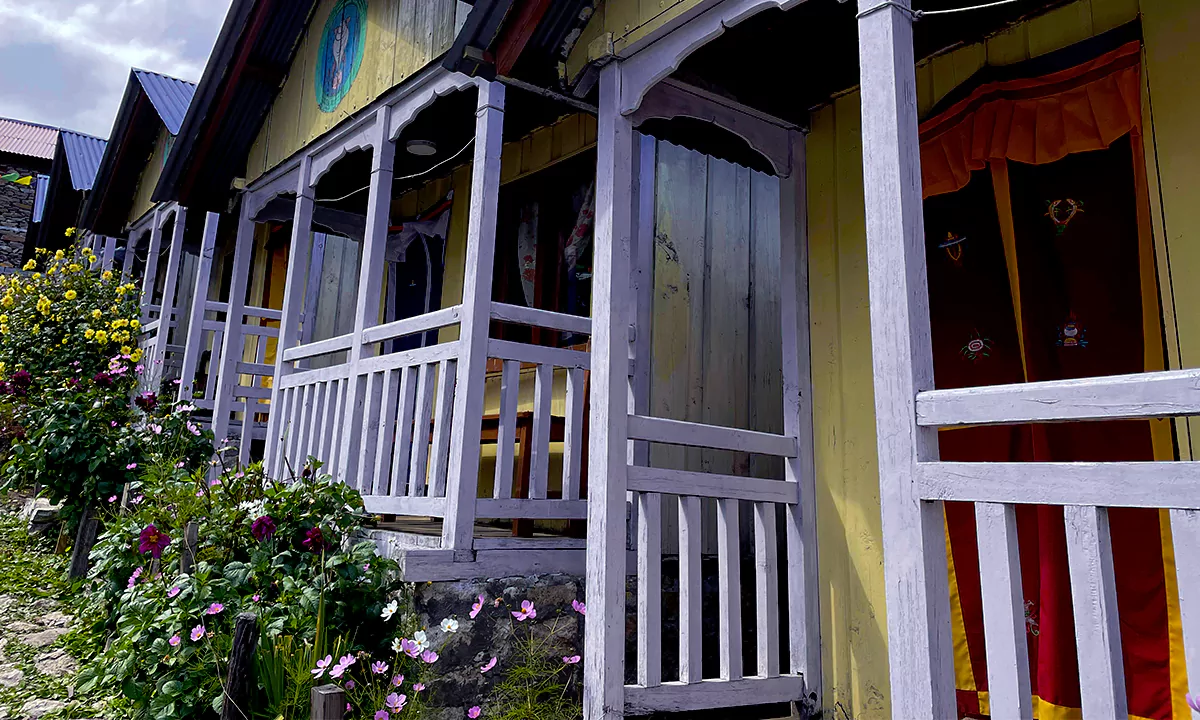
Sometimes tea houses have individual cabins
Summary of Nepal Trekking Accommodation
Hopefully by now we have helped to answer some key questions regarding staying in Nepali tea houses while trekking. To reiterate, the tea houses vary greatly. Different times of year, different treks and different regions can mean that you get different amenities and menu items.
What is consistent across all of Nepal trekking accommodation is that the hosts are delightfully welcoming and the food is delicious! Sure you might try a squat toilet for the first time or shower in frigid water, but it’s all part of the wild and wonderful adventure of trekking in Nepal.
If you’re looking for a trusted, ethical trekking company to coordinate your journey for you, consider reaching out to Himalayan Peace Treks. We would love to guide you into the Himalayas in a peaceful way from start to finish and show you just why we love Nepal so much.
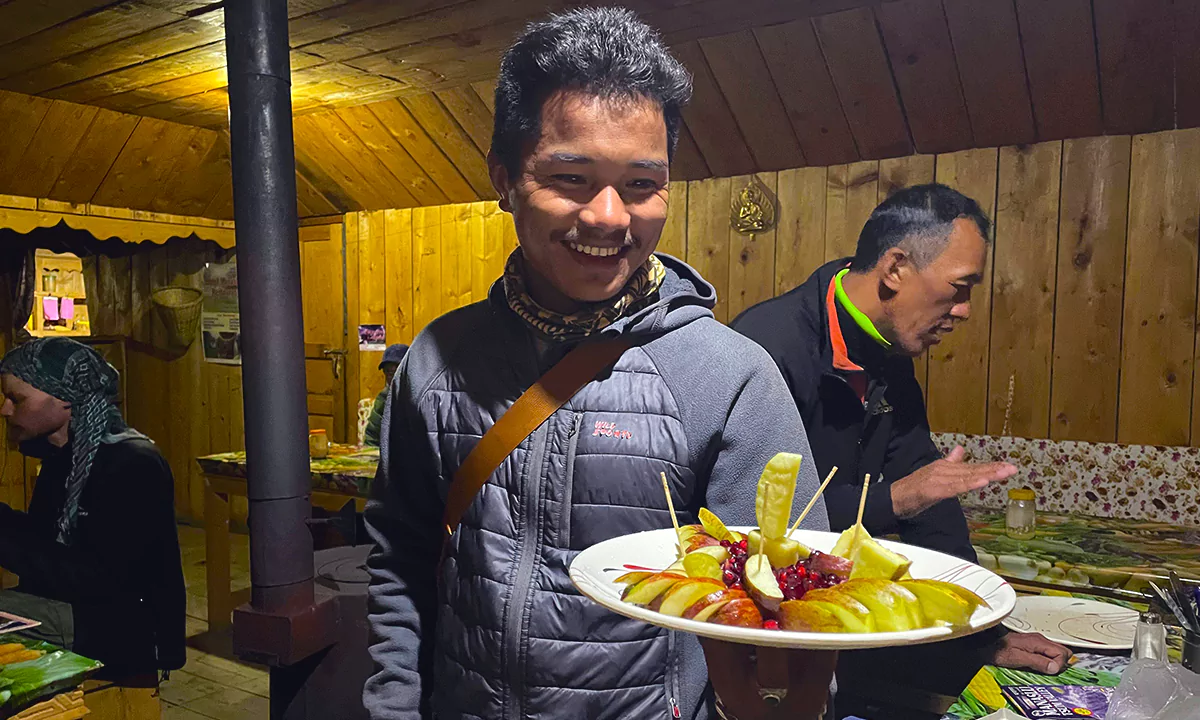
One of our porters serving a fruit plate (and proud of its display!)
FAQ
What is Nepal Trekking Accommodation?
Tea houses. For most treks, you will be staying in tea houses, which are small rustic lodges run my locals.
Who Runs the Tea Houses?
Tea houses and other Nepal trekking accommodations are mostly operated by Nepali people who are local to the region you are trekking into. In some cases where nobody inhabits the trekking area, staff will have hiked in, just like you, in order to serve you.
Do I Need to Pay for My Room?
If you’re trekking with Himalayan Peace Treks, all of your Nepal trekking accommodation will be included in the price of your trek package as well as a couple nights of accommodation in either Pokhara or Kathmandu. Expect to share a room if you’re joining a group, otherwise you can pay a little extra and get a private room.
If you are trekking on your own, you’ll need to carry enough cash to get you through the entire trek as there are rarely reliable ATMs on the treks.
Do I Need to Book my Nepal Trekking Accommodation in Advance?
Your experienced guide will handle booking your rooms for you if needed. During peak season, it can be tricky to get a room in some areas with the Nepal trekking accommodation fills up quick. Calling ahead or booking in advance is a good idea. In some cases when it’s really busy, people end up sharing rooms and sleeping in the dining halls – it’s all part of the fun!
What’s the Food Like in Nepal Trekking Accommodation?
There is a variety of local and international dishes at the tea houses where you’ll be staying while trekking in Nepal. You can order from a menu and don’t have to eat the same thing every day.
Can I Eat My Own Food?
It might seem like a cheaper and easier way to trek, however the expectation is that you eat from the tea house kitchen where you stay. You are welcome to eat your own snacks and treats, but when it comes to meals, please order from the tea house. If you eat your own food or go to another place for a meal, many tea houses will add an extra charge to your room.
Are There Blankets in Nepal Trekking Accommodations?
One blanket is usually provided with each bed. If it’s peak season and it’s really busy, then they might run out of blankets so having a sleeping bag is a great idea.
Is There Electricity in Nepal Trekking Accommodations?
At most tea houses, yes, there is electricity but it can be unpredictable and weather dependent.
Is There Wifi in Nepal Trekking Accommodations?
Most tea houses have wifi. Often you can purchase it for a small price paid in Nepali rupees. The wifi is also unpredictable and weather dependent.
Do I Need Camping Gear For Trekking In Nepal?
For most treks, no camping gear is required whatsoever. You can enjoy being hosted in tea houses which provide all food and overnight rooms. If you’re doing a camping trek, your trekking company will organize most of the camping gear for you.
In Nepal Trekking Accommodation in Tents?
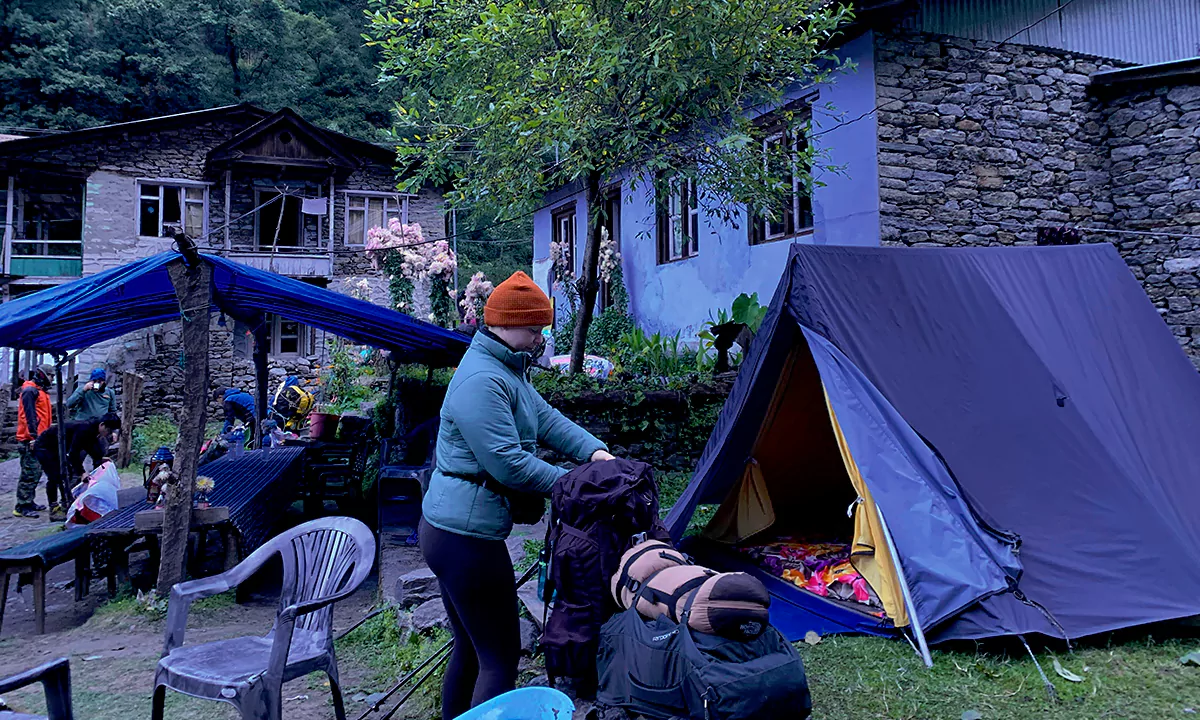
At some trekking stops there are tents available outside of operational tea houses that guests can stay in by choice or when it’s busy. There is usually a proper mattress in the tents and a blanket provided. Some treks are camping only or require a night or two in a tent in areas where there are no tea houses.
A tea house in Lama Hotel in the Langtang Valley has tents for guest overflow
First time trekking in Nepal? Want a second opinion on your own packing list? You have come to the right place! Welcome. This is the most useful and detailed packing list out there that is specific to trekking in Nepal.
Nepal is any adventurer’s dream, with countless treks into the Himalayas to choose from. Knowing exactly what to pack on your trek is key for success, safety and enjoyment. Whether you are carrying your own pack or utilizing a porter, it’s important to pack only what is necessary. It can be a challenge to know what to bring and what to leave behind, so we’re here to help!
Below is a detailed Nepal trek packing list along with two printable PDF packing checklists.
This detailed packing list will help you plan in advance and can be referred to again once you’ve arrived in Kathmandu. Be sure to use your own judgement when packing, in combination with the suggestions from our packing list. The below trek packing list is appropriate for most treks in Nepal including popular routes like the Annapurna Circuit Trek and Everest Base Camp, as well as less-travelled paths like the Upper Manaslu Circuit Trek and the Nar Phu Valley Yoga Trek. You might need to adjust the item amounts depending on the length of trek you’re planning to do, your own personal preferences and whether or not your trekking solo or in a group.
It is highly recommended to pack light in order to protect the well-being of porters. Porters are strong and extremely capable, but they’re still human. With a responsible trekking company like Himalayan Peace Treks, there are limits on the amount that porters can carry safely. Porters can carry a maximum of 20 kg for two people (a maximum of 10 kg per person), so please use this as a guideline when packing and aim for under 10 kg.
Whenever possible, consider packing biodegradable and reusable items in order to trek more sustainably.
This guide includes tips for packing, a detailed list with explanations and a short checklist that you can print and use. Feel free to contact our small ethical trekking company, Himalayan Peace Treks, if you have any questions.
Packing Tips for Nepal Trekking
Pack Light
Most people heavily overpack for their first trek, so keep that in mind when organizing your gear. You can often wear items many times, share certain things amongst a group, and even do little bits of laundry along the way. Minimize unnecessary items, choose lightweight materials and bring as much multifunction gear as possible.
Pack Your Favourites
When choosing what to bring, pick items that you already know and love (heading off on your trek is not the ideal time to break in new hiking boots!!!). Make it easy on yourself and test out gear beforehand and bring your favourites. If something is itchy or uncomfortable at home then it will be ten times worse on the trek!
Be Prepared for Weather Extremes
Ever heard the proverb “There’s no such thing as bad weather, only bad clothing”? It’s certainly true while trekking in Nepal! It is recommended that you bring a range of clothing to suit a variety of weather conditions as you hike up and down in elevation. During the day, at lower elevation, it is often extremely hot and sunny so things like sun hats, sunscreen and shorts will serve you well.
Then in the evenings and at higher altitude you’ll be reaching for your hats, puffy jackets and long underwear. If your trek includes a high mountain pass you might encounter snow and ice so crampons will come to handy. Having rain gear, especially if trekking around monsoon season (May-August), will also keep you dry and warm.
It’s not fun to think about what could go wrong while trekking in Nepal, but it’s worth considering so that you can be prepared. Bring blister kits, medication and a first aid kit if your guide isn’t bringing one. Purchase medical travel insurance that covers your whole trip and what you’re going to be doing (eg. reaching 5000 m elevation). Share insurance information with your trekking company and as well as photos of your passport and IDs to friends and family.
Consider Purchasing in Nepal
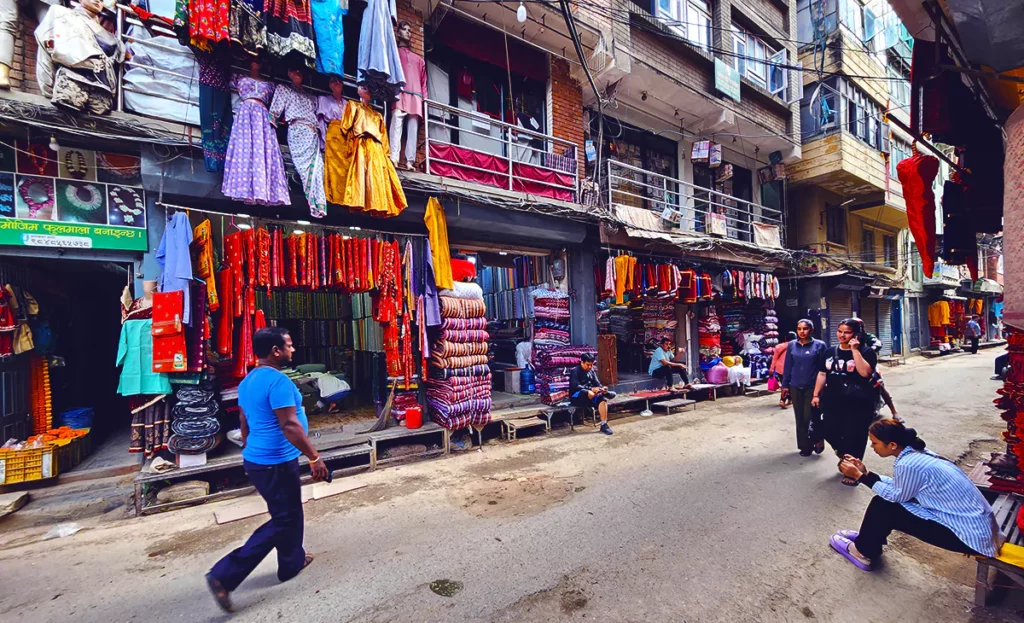
Nepali people rely heavily on tourism for revenue and job creation. Perhaps you will consider supporting the local economy by purchasing some items once you arrive in Kathmandu or along the trekking route. Thamel, in the heart of Kathmandu, is a trekker’s paradise, packed to the brim with anything trekkers might need for their adventure.
Generic trekking gear, snacks, and toiletries can be found in Thamel. In the spirit of transparency, please be aware that items are often cheap, which is then reflected in the quality, so maybe don’t plan to get your big ticket items in Kathmandu.
A street in Thamel, Kathmandu
Pack Mindfully of the Local Culture
Nepal is a beautifully unique place, not just in the magic of its natural landscapes, but in its depth of traditional culture. Many treks take you far into remote areas of the Himalayas in which modesty is the standard. It is important that you dress so that you are comfortable while trekking, but please also consider the cultural norms when selecting what clothing to bring.
Openly changing in front of people or in public spaces is not common. If you would like to enter temples, monasteries and sacred places, your knees and shoulders need to be covered.
Pack Sustainably
While trekking into the depths of the Himalayas, you are leaving behind modern filtration systems and proper garbage disposal. This means that extra consideration is needed for what you choose to carry in because it might just stay there forever!
We highly recommend biodegradable and natural items for products such as toothpaste, soap and laundry detergent.
Limit the amount of packaged items you bring and perhaps plan to carry out your garbage. We recommend purchasing drinks such as hot chocolate or hot lemon honey as a treat instead of items in plastic bottles.
Bring your own water filtration system, or plan to purchase boiled water, instead of relying on buying single-use plastic water bottles (it’s 2025 are we done with single-use bottles yet?!).
In addition to toilet paper, many trekkers have had success with bringing a reusable pee cloth. It is specifically designed to be used after peeing, washed and then hung on your backpack to dry.
We have two printable Nepal Trek Packing Lists for both a long trek, such as the Everest Three Passes Trek, as well as a short trek, such as the Mardi Himal Trek. Please use your discretion when packing and trust your instincts.
Below is the breakdown of what to pack when trekking in Nepal. It helps to explain the two trekking packing list for both a LONG TREK and a SHORT TREK.
Travel Documents and Money
Passport
Some treks require your passport if, for example, you’re taking a flight or need to get your permit at a checkpoint
Traveling with photocopies of your passport is always a good idea
It’s also recommended to send pictures of your passport to friends and family, just in case
Passport photos (1-2)
Passport-style photos of yourself with a white background are needed for some permits and can be sent to your trekking company ahead of time
$¥€ Any major currency to pay for tourist visa upon arrival at the airport
US$30 for 15 days, US$50 for 30 days, US$125 for 90 days
Using a credit card here is not recommended
Accepted currencies to pay for your Nepali tourist visa include:
$¥€ Any major currency to pay for your trek or tour
Cash is preferable for most companies as Nepal still widely operates in cash
रु (NPR) Nepali rupees for spending money on the trek
Extra cash is needed to pay for things outside of your trek package such as souvenirs and snacks, fancy coffees and desserts, hot showers and wifi, and donations and tips
Nepali rupees are only available once you are in Nepal
You can exchange cash or take out rupees at an ATM in Kathmandu or Pokhara
Nepal is a cash country; there are no reliable ATMs on most treks and cards are not accepted while trekking
Personal IDs and money cards
A good tip for travelling anywhere is to have multiple credit cards in case one gets cancelled
Send photos of your important IDs to friends and family, just in case
Insurance plan
Purchase quality medical travel insurance before you travel and send the information to your trekking company, family and friends
Check that your insurance plan covers the activities that you will be doing
For example, trekking above 5000 m elevation, paragliding, bungee jumping, etc.
Clothing
Upper Body
Base Layer
Moisture-wicking shirts (1-2 for short trek, 2-4 for long trek)
These can be short and/or long sleeve depending on your preference
These will be your only layer on hot and sunny days at lower elevation and an underlayer as you gain elevation and the temperature drops
These need to be comfortable against your skin and lightweight
Warm shirts (1 for short trek, 1-2 for long trek)
Warm and cozy shirts (likely long sleeve) for the tea houses, sleeping and perhaps as an underlayer on a cold day of hiking
Sports bras (1-2 for short trek, 2-3 for long trek)
Only bring your most comfortable, breathable, supportive bras!
These can easily be rinsed along the way if needed and double as a bathing suit for hot springs
Mid Layer
Fleece zip up/pullover (1 for short trek, 1-2 for long trek)
For hiking and in the tea houses
Picture this: it will likely be chilly in the morning so you start with a sweater on. Then you work up a sweat during the morning hike and lose the layer. Then, out it comes again from your day pack while you wait for your dal bhat to be cooked fresh for lunch! After lunch, the on-and-off dance of the mid-layer continues…
This layer will also keep you cozy and warm in the evenings
Outer Layer
Puffy jacket (1 for short or long trek)
A good puffy jacket will serve you well as you gain elevation and the temperatures drop
Mostly you’ll wear your puffy jacket during the chilly evenings and mornings around the tea house, but some trekkers who run cold, have it available throughout the day to put on during breaks
It will also come in handy if you are trekking during the winter season (December-early February) and if your trek includes any high mountain passes
You can easily rent a puffy jacket in Kathmandu or Pokhara if needed for ~$1-2 per day
Waterproof/windproof jacket with hood (1 for short or long trek)
Important for monsoon season (May-August)
Some trekkers bring a poncho that goes over their pack as well as their bodies
Also useful as another layer for higher elevation where it can get windy; ideally it fits over your puffy jacket
Hands
Inner gloves (1 pair for short or long trek)
Preferably lightweight and quick drying
Can be worn under big gloves or as their own layer
Useful with trekking poles
Outer gloves (1 pair for short or long trek)
Thick, warm and waterproof
These are optional for some treks and some trekkers; ask yourself, do I usually struggle with cold fingers?
Needed for treks with passes and during winter (December-early February)
Head
Sun hat/ball cap (1 for short or long trek)
The sun is strong, even when it’s cold
The style of hat you choose is based on your preference
Some trekkers wear only a ball cap, others wear a 360 degree coverage fishing hat! Think about how you will best protect your face, ears and neck
Warm hat (1 for short or long trek)
A cozy hat for cold nights and chilly days once you’re at higher elevation
Buff/neck tube/scarf (1 for short trek, 1-2 for long trek)
Something to protect your face from dust, sun & wind
No need for two of the same item, but for a longer trek you might want one that is thinner and one that is warmer
Headlamp with batteries/charger (1 for short or long trek)
Useful for any early mornings that start before sunrise
You can also use around the tea houses in the evenings (some rustic tea houses don’t have lights in the bathrooms) or for when the power goes out, which is not uncommon in the mountains
Sunglasses (1 for short or long trek)
A not-to-be-missed item to protect your eyes during sunny days and essential if going over a pass
High UV protection and ones that wrap around the sides are recommended
Especially if you are doing a pass where the sun is really strong and reflects off of the snow
Sunglasses are a must!
Lower Body
Base Layer
Underwear (5-7 pairs for short trek, 6-9 pairs for long trek)
Some trekkers swear by only bringing moisture-wicking material but we find that that’s only a good idea if you like the feel – just bring what is most comfortable to you
The number of pairs that you bring is slightly a matter of preference and depends on whether you will wash some along the way
Warm long underwear (1 pair for short trek and 1-2 pairs for long trek)
For the tea houses, sleeping and any cold high elevation hiking
Mid Layer
Pack a maximum of 2-3 pairs of bottoms for a short trek and a maximum of 3-5 pairs for a long trek
Not all of the below listed are required!
Hiking shorts (1-2 for short or long trek)
Days are warmer at lower elevation so shorts or cut-off pants are appropriate
Leggings (1-3 pairs for short or long trek)
Some trekkers wear leggings instead of shorts or hiking pants, so this will be up to your discretion
Hiking pants (1-3 pairs for short or long trek)
Hiking pants are super subjective to the trekker so bring what you normally like to hike in
Many trekkers mistakenly pack tons of pants options and then end up sticking to their favourite 1 or 2 pairs
Lined pants (1 pair for short or long trek)
You can bring thicker warm pants for colder days or just plan to layer up with long underwear instead
Outer Layer
Cozy pants (1 pair for short or long trek)
Something warm, like fleece, to lounge in at the tea houses
Waterproof/windproof hiking pants (1 pair for short or long trek)
Necessary during monsoon season (May-Aug), otherwise regular water resistant hiking pants will likely do just fine
Feet
Thin hiking socks (2-4 pairs for short trek, 3-5 pairs for long trek)
The better the quality socks, the better time you’ll have
Higher quality socks are usually worth the money as they are better at blister prevention, reducing smell and managing temperature
Try out a few brands and styles and pick your favourites
Thick hiking socks (1-2 pairs for short or long trek)
Some trekkers are happy to wear thin socks all trek long, so thicker socks are optional if you prefer a thicker pair for colder days
Cozy socks (1 pair for short trek, 1-2 pairs for long trek)
For tea houses and for sleeping (how very controversial, do you sleep with your socks on?!)
Hiking boots (1 pair for short or long treks)
Good boots that you have (ideally) already broken in
If you are carrying weight, a taller boot will help support your ankles
Thick tread will help you navigate varying terrain
Tea house shoes (1 pair for short or long treks)
There’s nothing quite like the feeling of taking your hiking shoes off after a long day on the trails
Bring one pair of sandals, light running shoes, slides, crocs, etc. for the tea houses – be sure that they fit your warm socks into them
Shower shoes (1 pair for short or long treks)
This could be flip flops, thongs, slides, etc. to be worn in the shower
These are optional if your tea house shoes can double as shower shoes or if it’s a short trek and you’re not planning on showering
Consider bringing one pair to share if travelling with a companion
Microspikes/Crampons (1 pair for short or long trek)
Only needed for certain treks with passes
Can easily get in Kathmandu if needed
Trekking Equipment
Large bag
This can be a backpack or a duffel bag for your porter to carry your main items
Many companies, including Himalayan Peace Treks, provide a complimentary duffle bag for the items your porter will carry
An absolute maximum of 20 kg per two people (10 kg per person) can go in this bag
Day pack
A small but structurally supportive day pack for you to carry you daily items
This pack will hold items such as sunscreen, extra layers and (of course) tasty treats
Some trekkers appreciate a bag around their waist (especially if their pack doesn’t have good hip pockets) to keep items handy such as hand sanitizer, tissues and cash
Sleeping bag
Tea houses usually provide one blanket per person and it is often not enough to keep warm at higher elevation or during colder months
You can easily rent a sleeping bag in Kathmandu or Pokhara if needed for ~$1-2 per day
Trekking poles
Some trekkers choose to go without but they are usually a good idea for stability, posture and to help protect the knees on the descents
The lighter the better
Poles are another easy item to get at one of the many trekking stores in Kathmandu or Pokhara
Water bottle and/or bladder
This is a matter of preference and backpack design (does your bag hold a bladder?)
If possible, it’s nice to have a bottle (such as a Nalgene) that can safely handle hot water so you can use it as a delightful hot water bottle at night!
Water purification system
It is up to you to bring your own water purification system such as a filtering bottle, external filter, sterilizing tablets/drops, a Steripen, etc.
Our preference is that you do not rely on buying disposable plastic water bottles
A good option for many trekkers is to purchase boiled water along the way
Camera and/or phone
Think ahead about how you would like to capture your incredible Nepali trek!
Be sure to double check that you have all necessary cords, chargers, batteries, etc.
Medications
This section is completely personal – consult your doctor and plan accordingly. We think it’s better to be safe than sorry!
Any personal prescribed medication
Be sure to bring your regular prescription medication and double check you won’t run out while in Nepal
Precautionary medications
These medications are a good idea to always travel with
This includes things like: painkillers, anti-inflammatories, anti-nausea, antidiarrheals, antihistamines, antacids, and cold meds
Medicated creams
Some trekkers bring a small amount of hydrocortisone cream and/or antiseptic cream for potential minor cuts and insect bites
Antibiotics
For chest/upper respiratory infection and for abdominal/bowel issues
This is absolutely optional, consult your doctor and consider what you’re comfortable with
Vitamins
Also optional and up to you and your doctor
Certain vitamins such as Vitamin B6, C, D, and E, Iron, Magnesium, and Zinc are believed to help with altitude sickness
Altitude sickness medication
It is a good idea to have some with you and use as treatment for altitude sickness instead of taking beforehand as a precaution
As with all of the medications listed, this is optional and up to you and your doctor’s discretion
Electrolytes
You’ll be sweating lots so having electrolyte powder or tablets is an excellent idea
All layers are on for a sun salutation while yoga trekking
Toiletries
Preferably choose biodegradable/natural products whenever possible
Toothbrush & toothpaste
Shampoo
Only bring if you are planning to shower: some short treks aren’t worth showering on if it’s cold!
Soap
Multifunctional soap that can be used for your hands (many tea houses don’t provide soap), your body, and maybe even your hair (?)
You can use for your laundry or bring a little bit of additional laundry soap
Toilet paper
Traditionally, Nepali people use water instead of paper for their bathroom needs so there is not toilet paper provided in tea houses
You can purchase toilet paper along the way if needed
Some trekkers bring a reusable ‘pee cloth’ to use along the route for a more sustainable options
Moisturizer
For your face and body, it gets dry up there!
Sunscreen
The sun is intense, SPF10000+ is highly recommended (just kidding, but definitely bring good sunscreen)
If you are going over a pass, be sure to cover delicate areas such as under your chin, under your nose, and inside your ears because the sun can reflect off of the snow
Lip balm
This is surprisingly important! Bring a minimum of one lip balm/lip chap
Ideally try to find one that has some SPF to protect your lips
Menstrual items
Bring your own because the products in Nepal might be different from what you’re used to
Wet wipes
Always a good idea, but specifically while trekking you might want to give yourself a wipe down when there are no showers (or the water is too darn cold!)
Optional: face cleansing wipes
Nail clippers
Definitely a shareable item and only needed for longer treks
Hand sanitizer
A good idea because many tea houses don’t have soap and during cold nights at higher elevation the water can freeze
Quick dry towel
Potentially sharable, and only if you’re planning to shower
Some tea houses do not have electricity and in the mountains it is not uncommon for the power goes out
Most tea houses require a small fee (in Nepali rupees) to charge your power bank in the dining hall
Some trekkers have luck with a solar power bank
Travel charging adapter
Many tea houses have charging adapters in the dining halls, but if you would like to charge a device in your room at tea houses with electricity, then you might need an adapter
There are three main plug types in Nepal: types C, D and M
Plug type C is a plug with two round pins, plug type D has three round pins in a triangular pattern and plug type M also has three round pins
Cards/small games
Trekking offers such a beautiful opportunity to disconnect from phones and have some good old-fashion fun at the tea houses
Be careful though, your guides might never let you win a hand!
Book/e-reader
Reading is a nice pastime in the mountains during the afternoons and evenings
Keep it light though, you likely won’t be reading 17 books on your week-long trek!
Journal
You might like a small journal to document your experience
Save plastic bags for garbage
It would be awesome if you planned to pack out your garbage!
You can also use bags for wet items or use them to protect your items against rain
Bathing suit
Only pack if your trekking itinerary includes a stop at hot springs
Many trekkers choose to leave the bathing suit behind and instead go into the hot springs in shorts, leggings, bras and t-shirts
Most lakes along the trekking routes are sacred and it is not appropriate to swim in them – ask your guide to be sure
Snacks
Bring your favourites for an extra boost throughout the day or a little something while you wait for dinner
We recommend things like nuts, dried fruit, and chocolate as snacks for trekking in Nepal
Some items can be purchased along the route such as chips, chocolate and cookies
Earplugs & eye mask
Protect your beauty rest!
The walls can be thin in some tea houses
Blister kit
Things like moleskin and gel-filled blister bandages can help prevent and manage blisters
Headphones
For the long travel days and tea house downtime
Pocket knife/multitool
Not necessary but some trekkers don’t go anywhere without theirs!
Travel sewing kit
Again, not necessary but can be helpful in a pinch
Safety pins and/or carabiners
Super useful for hanging clothes and items off of your pack
This is a detailed guide for travellers who are coming to Nepal to trek and want to do so with environmental consciousness.
Nepal is an incredible place that is rich with cultural heritage and natural landscapes, including the tallest mountains in the world. Many travellers choose to venture to Nepal to experience the magic of the Himalayas by foot.
You might be wondering, “Is it sustainable to trek in Nepal?” The answer is YES! Trekking in Nepal is an excellent option for the sustainable, eco-conscious traveller if done thoughtfully.
The nature of trekking itself has quite a low environmental impact. Although it might be a longer journey to get to Nepal, once trekking, you will be spending days and in some cases weeks without any motorized vehicles, unplugging from devices and big electricity usage (many tea houses operate with solar panel power or have no electricity at all), and eating mostly vegetarian. It is important to know what to do so that you can have as little of an impact as possible while trekking.
While venturing into the depths of the Himalayas, you are leaving behind modern filtration systems and proper garbage disposal so extra care and consideration is required when preparing for and journeying along your trek. There are many ways that you can tread more lightly and help to preserve the delicate habitats and landscapes of the beautiful Nepali mountains. This is a guide that has been put together by Himalayan Peace Treks, an ethical trekking company, here to help you with trekking sustainably in Nepal.
Trekking sustainably in Nepal starts at home with what you choose to bring along. We highly recommend seeking out biodegradable and natural items wherever possible for products such as toothpaste, soap and laundry detergent. While trekking, these products end up going directly into the ground or rivers.
It is also important to consider beforehand what you will do for drinking water along the way. You need to bring your own personalized water filtration system or plan to purchase boiled water instead of relying on buying plastic water bottles (aren’t we done with single-use bottles yet?!).
Be mindful of the amount of packaging and plastic you bring because garbage in the mountains is burned, buried or ends up in the river with no system for recycling. Many eco-conscious trekkers choose to carry out what they carry in when it comes to packaging, wrappers and garbage.
Stick To The Trails
It is incredibly important for environmental protection (and your own safety) to follow your guide and stick to the established trails while trekking sustainably in Nepal. Wandering off the trails can lead to soil erosion and destruction of sensitive vegetation. Even in a wide open field or meadow, try to stay on the main trail you see. Avoid taking shortcuts even after a looooooong day. There are many delicate plants that can be destroyed by being stepped on so be extremely mindful of where you’re stepping.
Eco-Friendly Bathroom Etiquette
Nepali locals use only water when using the toilet so there is no reliable system for handling the toilet paper that most tourists are accustomed to using. When trekking, you need to bring your own toilet paper with you. Perhaps you might try to do as the locals do and cleanse yourself with water!
If this is slightly too adventurous, then please simply be mindful of the amount of toilet paper that you are using. Many tourists take a ‘hybrid approach’ in which they wash with water and then dry with toilet paper after. In addition to toilet paper, many trekkers have success with bringing a reusable pee cloth. It is specifically designed to be used after peeing, washed and then hung on your backpack to dry. You can also use it to dry yourself after using water.
Try as best you can to relieve yourself in designated toilets and not along the trails. If you can’t hold it and there’s no bathroom nearby, then be sure to go far away from any water sources.
TAKE NOTHING BUT PHOTOS LEAVE NOTHING BUT FOOTPRINTS
Eat Sustainably
In order to trek sustainably in Nepal you can make conscious eating choices along the way. Many eco-friendly habits are the same whether you’re at home, trekking or travelling anywhere in the world, such as buying local, choosing packaging-free items and eating vegetarian or vegan dishes.
At tea houses, we recommend eating local dishes such as dal bhat (the national dish of Nepal with rice, lentil soup and curry), or Thenthuk (Tibetan noodle soup), which are prepared fresh with locally grown ingredients. Order only what you think you will eat. Food waste is to be avoided at all costs (even at home) as it is environmentally harmful.
Consider the packaging of the items you’re purchasing on the trails. We recommend choosing items such as milk masala tea or homemade rice pudding, instead of packaged items such as Coca-Cola or chocolate bars.
Many Nepali dishes are already vegetarian and easily modified to be vegan. In many regions of Nepal, including where some treks venture through, the killing of animals is not allowed so vegetarian meals are the norm. Even when there is meat available, choosing vegetarian options is recommended from both a health as well as environmental standpoint. Often times the meat is carried in and stored without proper refrigeration.
Manage Your Health
This might be surprising, but monitoring your health closely and not pushing yourself past your limit is another way to trek sustainably in Nepal. If a traveller gets altitude sickness and ignores the symptoms they could be in trouble. Continuing to ascend while altitude sickness symptoms are present can lead to huge health issues and the need for emergency services. Hopefully it is understandable that returning from a trek on foot is much more eco-friendly than via a private search-and-rescue helicopter!
Protect Local Flora and Fauna
As you meander through the gorgeous jungles and meadows, be careful not to destroy any plants, trees or flowers. It might be so tempting to pick a wildflower or take home a heart shaped rock, but it is best to leave nature in its place. As previously mentioned, staying on the trails while trekking in Nepal is another extremely important way to help protect the sensitive Himalayan vegetation.
Avoid feeding or closely interacting with wildlife (yes, even that sweet bird that wants a peanut from your hand) as it can disrupt the natural flow, train animals to rely on humans and even hurt their digestion in some cases. Additionally, it is not a good idea to interact closely with wildlife for your safety.
A Himalayan Tahr
Travel Options Within Nepal
Depending on the trek that you are doing or the region of Nepal that you are travelling to, there are various modes of transportation to get you there. Local and tourist buses operate between all of the major cities. Choosing ground travel instead of flying is a more sustainable choice. Additionally, electric vehicles are becoming more popular within and between the cities to help reduce the air pollution in Nepal. If you’re trekking with Himalayan Peace Treks, we will send an electric vehicle to pick you up from the airport whenever available.
Sustainable Trekking DOs
DO Use reusable water bottles (and a personal filtration system) instead of relying on single-use plastics
DO Carry out all of your belongings, including trash, broken gear and snack wrappers
DO Remain on designated trails and follow your guide
DO Use an eco-friendly reusable bag for travel and shopping
DO Say “no, thank you” to plastic bags (then be sure to save them for re-use if/when you are given them accidentally)
DO Be mindful of water usage, especially in areas where water is limited
DO Use natural soaps, detergents and other products
DO Dress warmly to reduce reliance on tea house wood stoves, gas heaters and heated blankets (where applicable)
DO Bring used batteries back home (recycling facilities are limited in Nepal)
DO Choose local! Dine at local restaurants, purchase local souvenirs and gear, and buy locally grown fruits and vegetables
DO Use designated washroom facilities
DO Respect fire restrictions; only build fires with the help of your guide if campfires are permitted
DO Reduce waste! Bring reusable items, reduce packaging, and take only what you need
DO Manage your health and avoid emergency services if possible
DO choose a reusable water bottle
Sustainable Trekking DON’Ts
DON’T Harm the natural environment, such as breaking trees, stepping on flora or wandering off the trail
DON’T Collect natural items or disturb the natural habitat
DON’T Purchase items made from endangered species
DON’T Collect rare flora and fauna when visiting sensitive areas (don’t pick flowers!)
DON’T Feed wildlife; it can harm their health & encourage problematic behaviour
DON’T Leave on lights, air conditioning, and charging cords when not in use
DON’T Take long showers, wash your clothes in hot water, or leave taps running.
DON’T Throw cigarettes on the ground and trails
DON’T Discard waste into the natural habitats, including human waste, especially near waterways
DON’T Order too much and create excessive food waste
Follow these tips and guidelines in order to trek sustainably in Nepal. If you would like to travel with a company that cares about the environment, contact Himalayan Peace Treks for an ethical, eco-friendly, peaceful journey.
Pokhara is a well-loved tourist city in Nepal, nestled in the lap of the Annapurna and Dhaulagiri mountain ranges. The city is known for its many lakes, adventure activities, mountain views, and spiritual sites. At 200 km away from Kathmandu, Pokhara is a gateway into the Himalayas for many trekkers and travellers.
There is truly something for everyone in Pokhara depending on your unique interests, time frame and preferences. It is an enjoyable place for families, tour groups, and solo travellers to visit.
Phewa Lake in Pokhara
For nature lovers, you will enjoy spending time at Phewa Lake, exploring caves, visiting Devi’s Fall and stopping at one of the panoramic mountain viewpoints for sunrise and sunset. For cultural experiences, you can visit one of the many temples and statues, try food from different regions, attend a traditional dance concert, and witness the nightly Hindu sunset ritual by the lake. Additionally, there is no shortage of things to do for adventurous thrill seekers, including bungee jumping, paragliding, ultra-light flights and zip lining.
Regardless of your time frame, there is plenty to do in Pokhara to fulfill your vacation wants. Whether you are just passing through on your way to a trek or planning to stay for a while, it is well worth a visit. Pokhara city is a hub for shopping whether you’re looking for trekking gear to rent or purchase or local artisan shops. You can find local jewelry and clothing as well as handicrafts such as art. There is a vibrant nightlife for those looking to enjoy a night on the town with many bars, restaurants and clubs.
If you’d like to slow things down, then you can enjoy a leisurely stroll along the lakesideor find a place to sit at one of the many cafes and restaurants to enjoy views of Annapurna Himalayan range reflecting in Phewa Lake. You can also attend a yoga class or a Himalayan singing bowl session.
Pokhara is the perfect mix of peace and excitement if you look in the right places.
If you are interested in booking a tour of Pokhara in which transportation, accommodations and all popular tourist sightseeing is arranged on your behalf, consider reaching out to Himalayan Peace Treks, a local ethical trekking and tour company. We would be happy to arrange a trip to Pokhara for you that is suited to your exact preferences.
Pokhara Highlights
Beautiful view of Annapurna and Dhaulagiri Himalayan ranges
A big city with a small town feel along Phew Lake
Explore the beautiful Devi’s Falls and the mystical Gupteshwor Cave
Witness the magical mountain sunrise and sunset views from high up spots like Sarangkot, the World Peace Pagoda and the Shiva statue at Pumdikot
Take a leisure boat ride on Phewa Lake to visit the Tal Barahi Temple
Experience thrilling activities like paragliding, zip lining, and bungee jumping
Walk around the lakeside with views of the lake, lots of shops and various local and international restaurants and cafes
Visit culturally interesting attractions including Bindhyabasini Temple and the International Mountain Museum
Sunset overlooking Phewa Lake
Suggested Pokhara Tour Itineraries
Sample Itinerary: 2 Nights, 3 Days via Flight
Day 1 – Flight from Kathmandu to Pokhara and Sightseeing
Take a short and scenic morning flight from Kathmandu to Pokhara (25 mins). It’s a beautiful flight with aerial views of the spectacular Himalayan landscapes. Arrive in Pokhara and check in at your hotel, then head to the lakeside and enjoy a local lunch overlooking the gorgeous Phewa Lake and its surrounding mountains. In the afternoon, take a boat ride on Phewa Lake with a visit to the Taal Barahi Temple, located in the middle of the lake. Alternatively, you might be interested in exploring the lake via stand-up paddleboard or kayak which can easily be rented. In the evening, take a taxi to either the giant Shiva Statue at Pumdikot or the World Peace Stupa. Both options are spiritually significant sites located at panoramic viewpoints where you can watch the sunset over the mountains.
Day 2 – Full-Day Pokhara Sightseeing
Today is your one full day to explore many of the major destinations in Pokhara. Rise early in the morning, around 4 am, and drive to Sarangkot, another viewpoint overlooking Pokhara and the Annapurna Mountain range. Be sure to get to Sarangkot in time to witness the magical mountain sunrise. This is one of the best paragliding spots in the world so the adventurous traveller can do that here! Take a quick visit to Bindhyabasini Temple and return to your hotel for breakfast. After refueling and rejuvenating, set off again to visit more sought-after spots. You will have time to see Devi’s Waterfall, Bat Cave, Mahendra Cave, and Gupteshwor Temple. All major sites are either free or a small entrance fee. Your main cost will be hiring a car for the day. Walking along Pokhara’s vibrant lakeside is a great way to end the day. There is a free daily sunset offering that is part of Hindu ceremony that you are welcome to observe. Then pick one of the many restaurants to enjoy dinner. You might choose a restaurant with live music or with a cultural dance show.
Day 3 – Flight Back to Kathmandu
If you haven’t caught a sunrise yet from one of the many viewpoints then today is the last chance to do so! After the amazing sunrise, return to your hotel for breakfast and pack up for your return journey. Drive to the airport and hop on your flight back over the Himalayas to Kathmandu.
Phewa Lake, Pokhara
Sample Itinerary: 3 nights, 4 days via Drive
Day 1 – Drive from Kathmandu to Pokhara
Depart early from Kathmandu via bus or private car. Enjoy the scenic drive through rolling foothills, alongside rivers, and through mountain villages. Once you arrive in Pokhara, check-in at your hotel and then head to the lakeside for dinner. If you can, try to catch the daily Hindu offering that takes place at sunset. It is a unique cultural ceremony and is free to attend.
Day 2 – Full-Day Pokhara Sightseeing
Today is a full day of exploring many of the major destinations in Pokhara. Rise early in the morning, around 4 am, and drive to Sarangkot, a viewpoint overlooking Pokhara and the Annapurna Mountain range. Try to get to Sarangkot in time to witness the magical mountain sunrise. This is thought to be one of the best paragliding spots in the world. Next is a short visit to Bindhyabasini Temple and return to your hotel for breakfast. After breakfast, head back down to Phewa Lake for a boat ride and a visit to the Tal Barahi Temple, located in the middle of the lake. Alternatively, you might be interested in renting a stand up paddleboard or kayak to enjoy the lake yourself. Have lunch anywhere along the lake and take the afternoon for rest, walking around, or shopping. If you are interested in yoga and Himlayan singing bowls there are many spots in Pokhara to take a class or receive a healing session. In the evening, drive to Pumdikot, where there is a huge statue of Lord Shiva and incredible views of the surrounding mountain range. This is an important spiritual site and a beautiful place to watch the sunset.
Day 3 – Full-Day Pokhara Sightseeing
Today is another full day of enjoying what Pokhara has to offer. If you are an early riser then you can try to catch the sunrise again, this time from the World Peace Stupa which is another culturally significant spot that overlooks Pokhara and its mountainous landscape. The World Peace Stupa is a beautiful location for sunrise or sunset. If you would like to visit it at sunset instead, then you can drive 25 min to the top or hike for an hour after a short boat ride on Phewa Lake. During the daytime you can visit any of the rest of the recommended destinations including Devi’s Falls, the Bat Cave, Mahendra Cave, the International Mountain Museum, and Gupteshwor Temple. Whether you watch the vibrant sunset from the World Peace Stupa or from a lakeside restaurant, be sure to take a moment to reflect upon your time in Pokhara.
Day 4 – Drive Back to Kathmandu
After a final breakfast in the beautiful city of Pokhara, you start your journey back to Kathmandu via car or bus. The drive between Kathmandu and Pokhara takes anywhere from 6 to 9 hours depending on vehicle type and road conditions. Tourist and local buses take a long time with many stops along the way. Local buses usually take the longest time, stop most frequently and play loud music. Some travellers choose to take the local bus because they get a unique glimpse into local travel and daily life. Hiring a private car is the most comfortable option because it is usually quicker, offers more flexibility and is literally more comfortable on the body.
If you are interested in worry-free travel, Himalayan Peace Treks is an ethical travel and trekking company which can help you arrange your trip to Pokhara.
Best Time to Visit Pokhara
You can visit Pokhara any time of year! The best time of year to visit Pokhara is in the spring (Feb-May) or autumn (September-November) when the weather is more likely to be enjoyable and clear. During spring and autumn you can expect spectacular mountain views, limited rain and warm days. Monsoon season (June-August) offers lush greenery and fresh air. In winter, although chillier, the mountain views are usually quite clear and the crowds are considerably less. Pokhara can be visited throughout the year, just be sure to check the dates and perhaps adjust your expectations and packing list to accommodate for rainy or cold weather.
Pokhara Weather
The weather in Pokhara is very agreeable. The best weather is during the spring (Feb-May) and autumn (Sep-Nov) months when the sun is out and there isn’t much precipitation. During April, the peak trekking month in spring, the temperatures reach an average of 27-30 degrees during the day and drop to 12-14 degrees at night. In October, the peak trekking month in autumn, the highs average around 26-28 degrees and the lows are anywhere from 11-17 degrees. You can expect the coldest temperatures in the winter (Dec-Jan) with lows hovering around 2 degrees and highs up to 18 degrees. Monsoon season (Jun-Aug) has high temperatures and lots of precipitation. In July, you can expect lows around 20 degrees and highs around 29 degrees.
Recommended Tourist Attractions in Pokhara
Phewa Lake: Phewa Lake, sometimes written as Fewa Lake, is a lovely freshwater lake in Pokhara’s heart that is a must-visit destination for both international and domestic tourists. The main tourist area of the city is wrapped around the lake’s shore and is referred to as “lakeside”. Along the lakeside there are many restaurants and benches that overlook the water. A small island in the middle of the lake is home to a Hindu temple called Tal Barahi and is a popular pilgrimage site for religious people. You are welcome to take a boat ride around the lake and stop to visit the temple. It is also a fun activity to rent a kayak or stand-up paddleboard to explore the calm lake yourself. Enjoy the greenery surrounding the lake and its reflection of the Annapurna Himalayan range. Every night at sunset there is a Hindu Arti ritual in which flames are ceremoniously waved and mantras are sung as spiritual offerings.
Renting a paddleboard on Phewa Lake
Sarangkot: Sarangkot, a hill station situated at 1600 m elevation, is a popular spot to enjoy a magical mountain sunrise. It is a 30 min drive (about 10 kilometers) from Pokhara’s lakeside and overlooks the entire Lokhara valley and surrounding mountain ranges. Tourists from all over the world come here to see views of Annapurna, Dhaulagiri and Manaslu. The spot has even been named one of the best locations in the world to paraglide. Hiking up from the highway is also an option and takes about 90 min.
Devi’s Falls: Devi’s Falls is a natural waterfall located about 2 km from the city center of Pokhara. It is one of the most visited places in Pokhara because of its powerful water, eroded stones and lush greenery during monsoon season. The original name was Patale Chango which translates loosely to “underworld’s waterfall” or “underground waterfall” because the waterfall tunnels its way through the rock and disappears underground. In 1961 there was an incident in which a Swiss woman drowned in the waterfall. This tragedy resulted, over time, in the name change to Devi’s Falls. There are various speculations about the name, with the most likely narrative being that her surname was “David” or “Davis” which, due to Nepali pronunciation and spelling, eventually morphed into “Devi”, a common name in Nepal. You will likely see many different spellings of the waterfall.
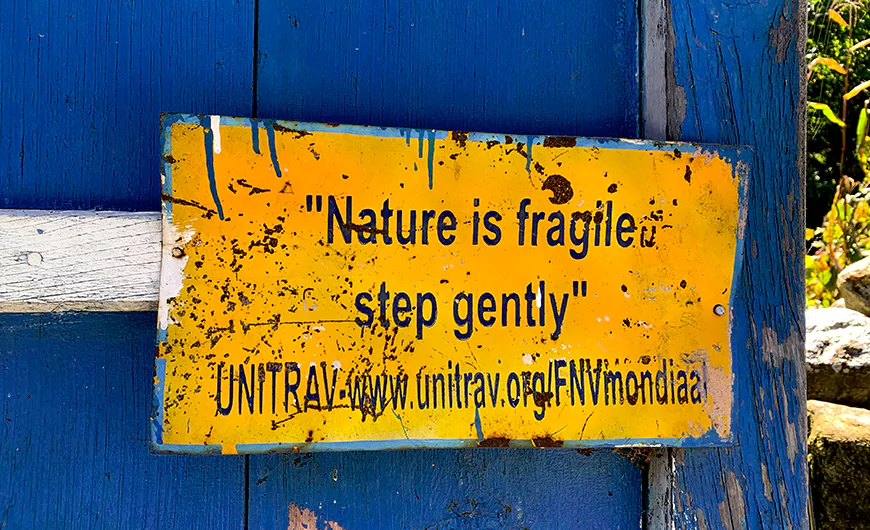
Gupteshwor Mahadev Cave: Gupteshwor Cave is a natural wonder and religious place; these two things often go hand-in-hand in Nepal. The cave, which is also considered a temple, is located close to Devi’s Falls. Walk down a huge spiraling staircase to enter the cave and see water flowing from Devi’s Falls. The cave temple is dedicated to Lord Shiva with various statues, art and offerings associated with this Hindu god. Quite surprisingly to some tourists, there is a statue of a cow in the cave. Cows are a holy animal in Hindu culture (you won’t find any beef here!) and the cow is symbolically protecting Lord Shiva.
World Peace Stupa: The World Peace Stupa, also known as World Peace Pagoda or Pokhara Shanti Stupa, is a noteworthy Buddhist monument located on a hilltop. The stupa is a striking symbol of peace and harmony. Just a 25 minute drive from Pokhara’s lakeside, it is a popular spot to visit for sunrise or sunset. Enjoy beautiful views of Annapurna and Dhaulagiri Himalayan ranges, Phewa Lake, and Pokhara city. If you are interested in hiking, first take a short boat ride across Phewa Lake, then hike for about an hour to reach the monument and viewpoint.
Pumdikot Shiva Statue: Perched on a hilltop in Pumdikot, home to the second tallest Lord Shiva statue in Nepal. The statue and stupa that the Hindu God is perched on are a total of 108 feet tall (108 is a sacred number in Hindu mythology). The statue was fairly recently constructed and is quickly becoming a popular tourist destination due to its religious relevance and panoramic views. From the hilltop, you can see the Annapurna and Dhaulagiri Himalayan ranges above as well as Pokhara and Phewa Lake down below.
Shiva Statue at Pumdikot
Bindhyabasini Temple: Bindhyabasini Temple, or Shree Bindhyabasini Temple, is another sought-after attraction in Pokhara. The temple has a long history and interesting legend about its establishment. It is thought that hundreds of years ago, the king wanted to build a temple dedicated to Bindhyabasini, a reincarnated form of the Hindu goddess, Kali. When the king’s men were carrying a statue of the goddess, they rested at the current temple’s location for the night. In the morning, her statue was unmovable so that’s where they decided to build the temple. On a clear day you can enjoy views of the surrounding mountains.
International Mountain Museum: Another major tourist attraction in Pokhara is the International Mountain Museum. The museum was established in 2005 in order to record and showcase the development of mountains and mountaineering activities around the world. There are three exhibit halls: Hall of Great Himalayas, Hall of Fame and Hall of World Mountains. The museum includes historical and present-day exhibits about the mountains themselves, the people (and animals!) who climb them and the locals who inhabit their fascinating environments.
Lakeside: Lakeside is one of the easily accessible visiting places in Pokhara. It is a strip of shops, restaurants, and waterfront access to Phewa Lake. This vibrant area has something for everyone! If you’re hungry, you can find pubs, restaurants, bakeries and coffee shops with local and international cuisines. There are many shops along the neighbouring streets with trekking gear, handmade crafts and local souvenirs. If you’re in the mood for some rejuvenative time you can find yoga studios, massage parlors and even take Himalayan singing bowl lessons.
Getting to Pokhara
Flight: Flying is usually the fastest way to reach Pokhara as it is only a 25 min flight from Kathmandu. The incredible aerial views from the small plane showcase the vastness of the Himalayas. It is the only option that gives you time to explore Pokhara city and the lakeside on the same day that you are travelling. Although not as sustainable as road travel, domestic flights are a great way to save time and enjoy a bird’s-eye view of the mountains. Depending on availability, time of year and weather, flights can often be cancelled. During peak season, try to book as far ahead in advance as you can. If it’s cloudy, flights won’t be operating so be prepared to hop in a car as an alternative
Cost: ~UD$205-240 round-trip, per person
Private Car or Jeep: A private car is another comfortable and convenient option to get to Pokhara from Kathmandu or anywhere in Nepal. From Kathmandu, it will take 5-6 hours to drive from Kathmandu if everything goes smoothly. It is a scenic drive with views of lush green hills, rivers, and mountain villages. This is an ideal option for stopping at your own pace and including any side trips you might like. As you might imagine, the mountainous roads in Nepal are windy, bumpy, dusty and unpredictable. Be prepared that your journey might take longer than anticipated.
Cost:
Car (seats 3-4 people) ~US$220 round-trip
Jeep (seats 7 people) ~US$300 round-trip
Tourist Bus: Tourist buses are a reliable and comfortable option for travelling between Kathmandu and Pokhara. As you might know, travelling via bus is a more sustainable and cost-effective travel option. There are a few different tourist bus companies that operate different classes of tourist buses including regular, deluxe and sofa. These buses depart from Kathmandu at the tourist bus station in Sorakhutte, near the tourist hub of Thamel, at 7 am every day. They leave Pokhara from the Pokhara tourist bus park at 7:30am daily.
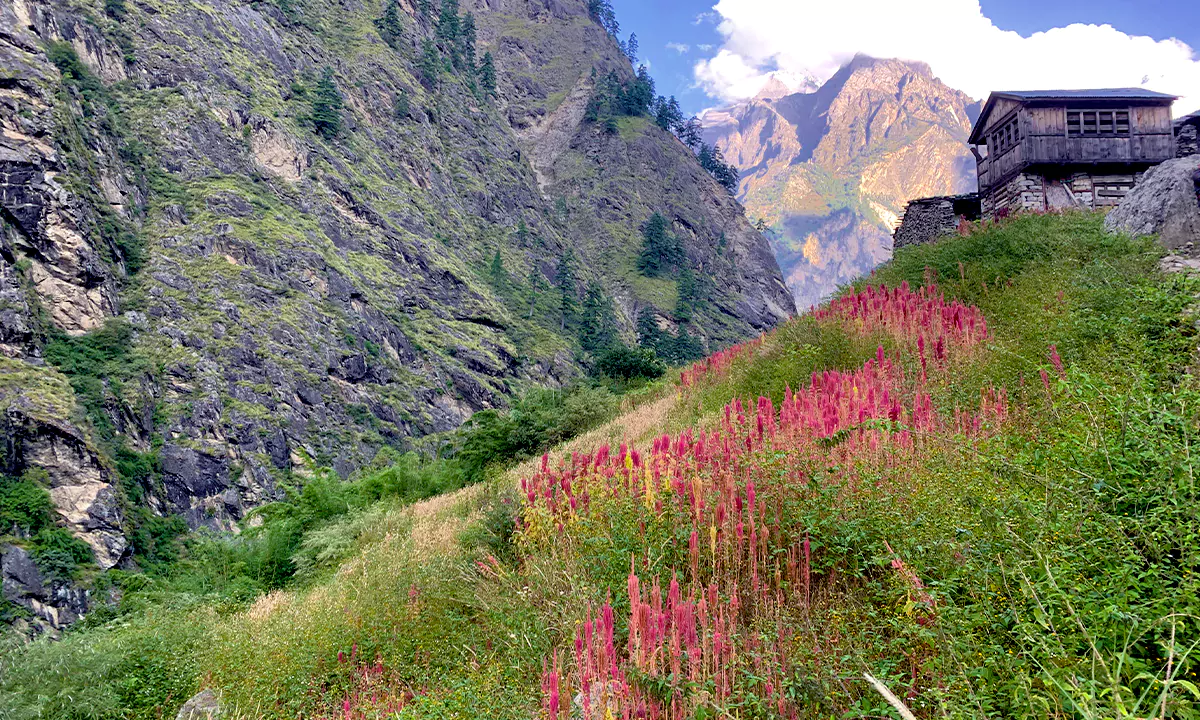
Cost: ~US$24-US$50 round-trip, per person
Local Bus: The local bus is the cheapest and, honestly, least comfortable option to reach Pokhara. It takes about 8-9 hours because it stops frequently to pick up and drop off passengers along the way. The buses are often crowded, they play loud music and you might just end up sitting next to a goat! They can be quite challenging for some tourists, or a lot of fun, depending on your style. Local travel in any country, especially Nepal, offers an authentic glimpse into local travel and way of life.
Cost: ~US$16 round-trip, per person
Getting Around Pokhara
By Foot
Walking around Lakeside, the tourist hub of Pokhara, is the best way to get around
There are safe sidewalks on either side of the streets and a pathway alongside the waterfront
Be sure to cross the street at the designated crosswalks and watch for traffic
By Bicycle
You can rent a bicycle at one of the local shops in Lakeside for 300-2000 rupees per day depending on the quality and style of the bicycle
Be careful on the busy streets!
By Bus
Public transportation is another option for getting around Pokhara with buses and minivans connecting Lakeside to many of the main tourist spots
Public transportation can be crowded and uncomfortable but also an exhilarating time
Tickets are cheap, sometimes as low as 40 rupees one way depending on where you’re going
It can be tricky for foreign tourists to figure out the buses because the signs are written in local script (some drivers speak English and can help!)
By Taxi
Taxis are a great options for tourists which you can hail on the street or arrange through your hotel
Many drivers will agree to wait for you at your stops and return you back to your hotel
InDrive is a reliable ride-hailing transportation app (similar to Uber, Grab or Lyft in other countries) where you can request a taxi or motorbike ride
By Motorbike or Scooter
You can rent a motorbike or scooter in Lakeside for around 1000-2500 rupees per day
You need to fill your own petrol which is around 170 per litre
In order to reach steep places like Sarangkot or the World Peace Pagoda, you will need a manual gear motorbike (not automatic)
Please only rent a motorbike or scooter if you have previous experience riding one!
Bindhyabasini Temple
How Long Is Needed In Pokhara?
A minimum 3-4 day trip (including travel days) is enough time in Pokhara to cover the major attractions. Your mode of transportation makes a big difference! If you travel by road from Kathmandu then you need two full days allocated towards your round-trip travel. If you choose to fly then you can do some sightseeing on your travel days. If you have more time, want to take a more leisurely approach, or want to add more activities into your trip then you can easily fill a 5-7 day itinerary.
You will need to pass through Pokhara to access treks in the Annapurna region such as the Annapurna Base Camp Trek and the Mardi Himal Trek. We highly recommend stopping to check out Pokhara for at least a day or two post-trek. Plan your time in Pokhara for after your trek so that you have buffer days while trekking and your trek isn’t right up against your international flight from Kathmandu.
Accommodation in Pokhara
When looking at accommodation, it is important to know that “Lakeside” is the prominent tourist area of Pokhara. It has many activities, shops, restaurants and hotels. A wide range of accommodations are available in Pokhara, including luxury resorts, boutique hotels, budget guesthouses, and lakeside homestays. You can decide if you want to be right in the hustle and bustle of the vibrant lakeside area or find a quieter spot outside of the main hub.
Luxury hotels, resorts and villas
Cost: US$150-$300+
Mid-range hotels
Cost: US$50-$100
Basic hotels
Cost: US$20-$40
Budget hotels and hostels
Cost: US$5-15
Homestays and guesthouses
Cost: US$5-$25
Extended Travel from Pokhara
4 Treks From Pokhara
1. Ghorepani Poon Hill Trek
In just a couple of days on foot, you can reach Ghorepani, a small Magar village, and Poon Hill, an incredible sunrise viewpoint at 3210 m
Trekking to the Base Camp (4130 m) of the tenth highest mountain in the world (8091 m) is an exhilarating journey from Pokhara to Pokhara in only 5-7 days
A small village that is the hub of Gurung culture, located at 2012 meters elevation in the foothills of the Annapurna mountain range. You can take private or public transportation to get to Ghandruk by road, or even drive part of the way there and trek the rest for a short mountain adventure!
2. Bandipur
A Newari village only 60 km east of Pokhara with lovely far-off mountain views. It has a quaint village feel and is home to one of 2. the biggest caves in Nepal.
3. Tansen
122 km on the route from Pokhara to Lumbini is Tansen, an ancient market centre known for its handloom fabrics and metal craft. Enjoy panoramic views from the viewpoint just above the market.
4. Ghurunkha
A short drive plus a short trek brings you to the modest Gurung village of Ghurunkha in the Syanja district. The village’s traditional culture and cobbled streets make for a tranquil atmosphere.
5. Panchse
To the west of Pokhara is the naturally beautiful village of Panchse. It is a well-loved spiritual site for Hindus and Buddhist. You can trek to Panchse, from Pokhara back to Pokhara, in five days.
6. Sirubari
Sirubari is only 56 km south of Pokhara and offers another quaint village experience. Gurung culture and heritage has been beautifully upheld within the small village.
7. Ghale Gaun
A Gurung village in the Lamjung district with its own specific Ghale culture and traditions. It is located at 2070 m elevation and offers mountain views all around. There is a strong depth of community in Ghale Gurung culture.
Views of the Annapurna Mountain Range from Pumdikot
FAQs
How far is Pokhara from Kathmandu, and how can I travel there?
Pokhara is about 200 kilometers from Kathmandu. You can get there by road (6-8 hours by tourist bus, private car, or local bus) or take a 25-minute flight.
What are the places to visit in Pokhara?
Pokhara is one of the most beautiful cities in Nepal with many sightseeing places including Phewa Lake, Davis Falls, Mahendra Cave, Sarangkot (for sunrise views), World Peace Stupa, and Shiva Statue (for sunset views), International Mountain Museum, and Begnas Lake.
What activities can I enjoy in Pokhara?
Pokhara offers multiple activities including boating, paragliding, zip-lining, bungee jumping, ultra-light flights, hiking, mountain biking, and a relaxing walk by the lakeside.
When is the best time to visit Pokhara?
The best time is during spring (March-May) and autumn (September-November) when the weather is clear, and the mountain views are at their best.
What is the weather like in Pokhara?
During spring and autumn the temperatures range from lows of 11-17 degrees to highs of 27-30 degrees with very little precipitation. During monsoon season you can expect hot and rainy days. Temperatures drop in the winter to 2 degrees at night and 15-18 degrees during the day.
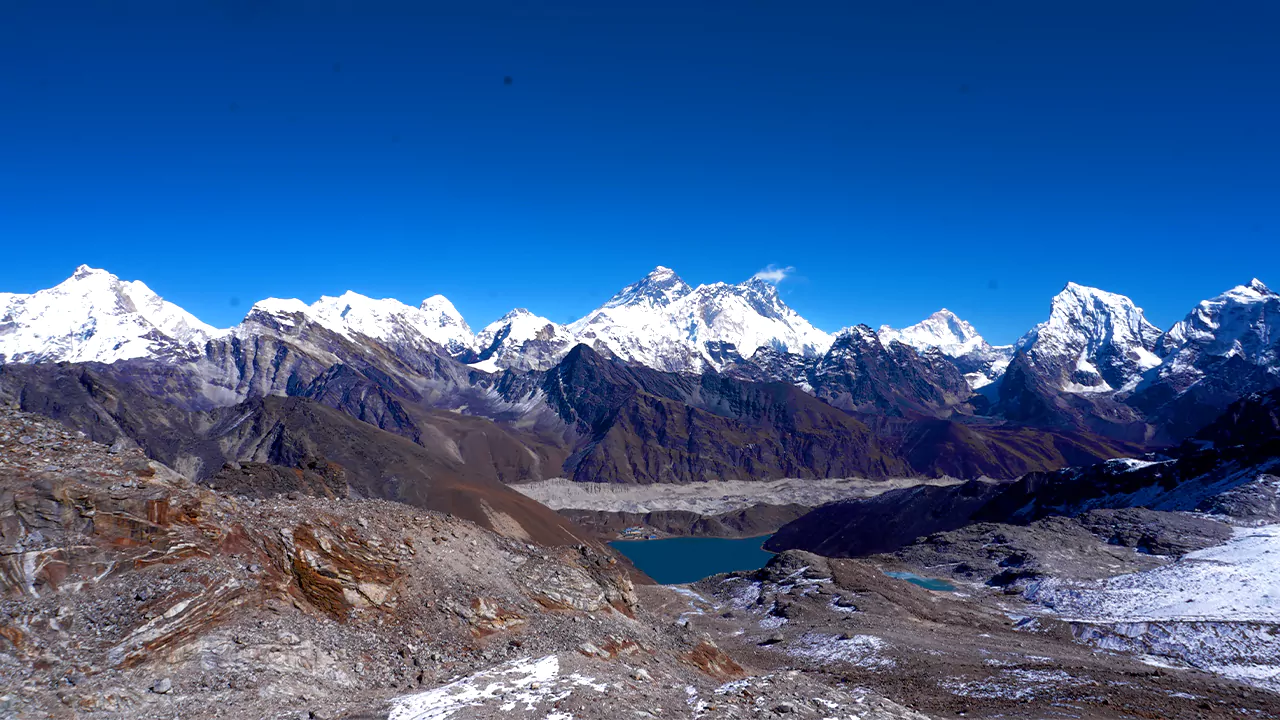
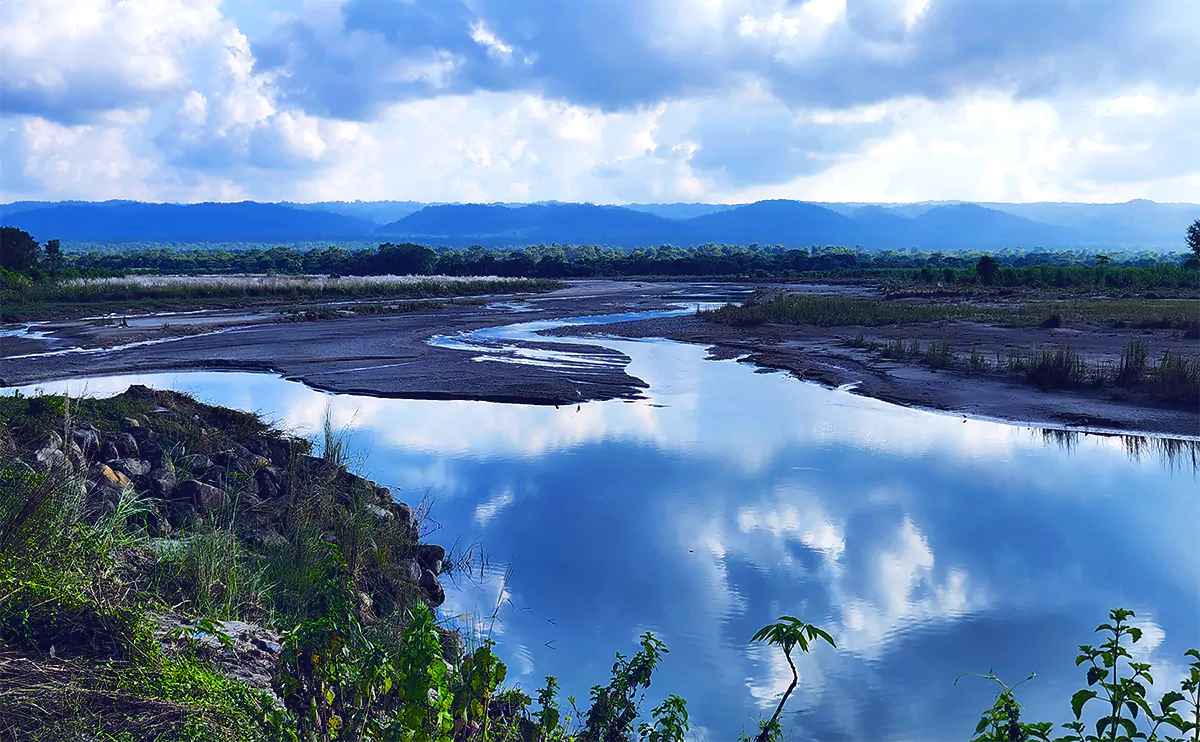
How many days are enough to explore Pokhara?
A 2–3-day trip is enough to cover major attractions, but 4–5 days are the best if you also want to include adventure activities or hikes around.
What is Pokhara famous for?
Pokhara is known for its many lakes and views of the Annapurna mountain range.
Is Pokhara a valley?
Yes, the city of Pokhara, much like Kathmandu, is located in a huge mountainous valley.
How big is Pokhara?
Pokhara is the largest city in Nepal with an area of 464.24 square kilometers. In terms of population, it is the second largest with 513 504 people in 2021.
Is Pokhara suitable for family trips?
Yes, Pokhara is perfect for family vacations, It offers activities for all ages, from boats ride in the Phewa lake and sightseeing to cultural experiences.
What type of accommodation is available in Pokhara?
A wide range of accommodations are available in Pokhara, including luxury resorts, boutique hotels, budget guesthouses, and lakeside homestays.
Is Pokhara safe?
Yes, Pokhara is a tourist-friendly city with a low crime rate.
Is Pokhara safe for solo travellers?
Absolutely! Pokhara is a friendly city with a safe environment. It is one of the top destinations for solo travellers including female solo travellers.
Is there a nightlife in Pokhara?
Yes, around Lakeside there are many bars, restaurants and clubs for both local and international travellers.
Are guides available for tours in Pokhara?
Yes, professional guides can be arranged for city tours and other activities.
Is the itinerary for the Pokhara tour customizable?
Yes, most tour operators offer customizable itineraries to fit your time availability, whether you’re looking for adventure, relaxation, or a cultural tour.