Email us
[email protected]


Email us
[email protected]

Trip booking for 2026 and 2027 is open; you can book any trip from our website.

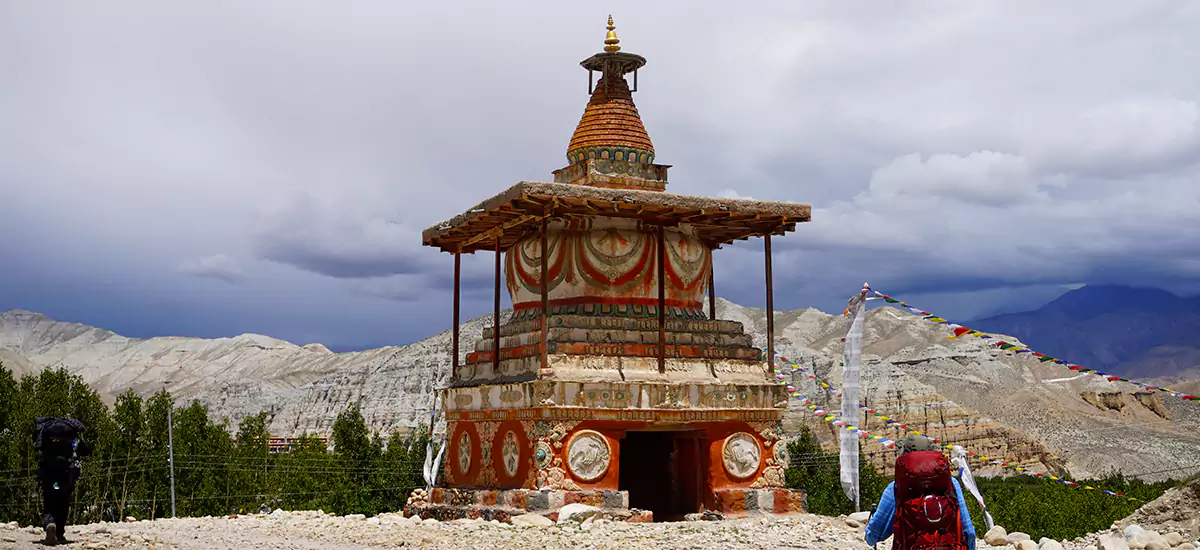
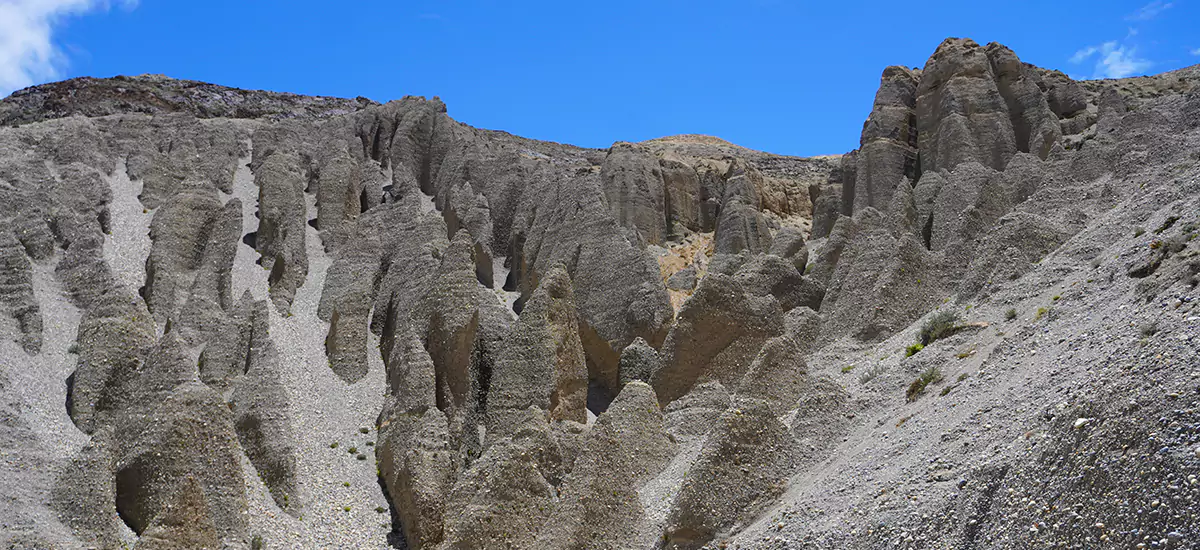
If I had to describe the feeling of trekking in Upper Mustang in one sentence, I would say it feels like walking through a vast Himalayan desert surrounded by dramatic dry landscapes, endless open valleys, and the unique charm of Tibetan culture, all beneath the distant backdrop of snow-capped mountains.
There are very few places in the world where you can witness dry desert-like landscapes and snow-capped Himalayan mountains together in a single view. Upper Mustang is one of those rare places.
This unique landscape exists because of a natural phenomenon known as the rain shadow effect, where the massive Annapurna and Dhaulagiri ranges block most of the monsoon clouds, keeping the region dry even during the rainy season in Nepal.
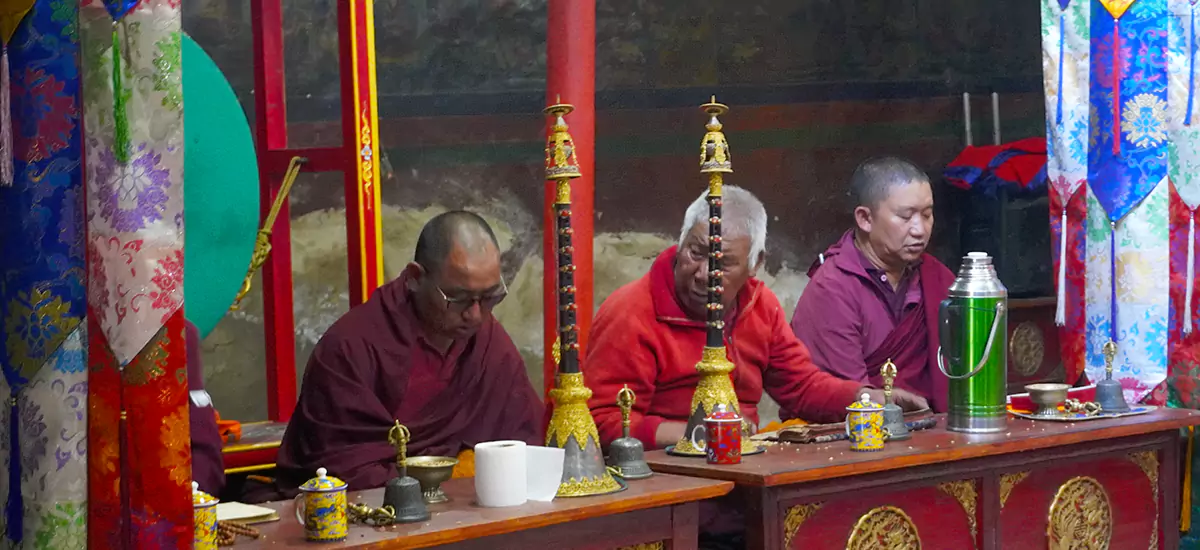
Beyond its dramatic landscapes, Upper Mustang is also deeply rich in Tibetan Buddhist culture and history. Almost every village along the trail is home to ancient monasteries that have preserved centuries of tradition and spiritual heritage.
These monasteries contain beautiful Thangka paintings, Buddhist statues, ancient manuscripts, and historic artworks that reflect the deep cultural connection between Upper Mustang and Tibetan civilization.
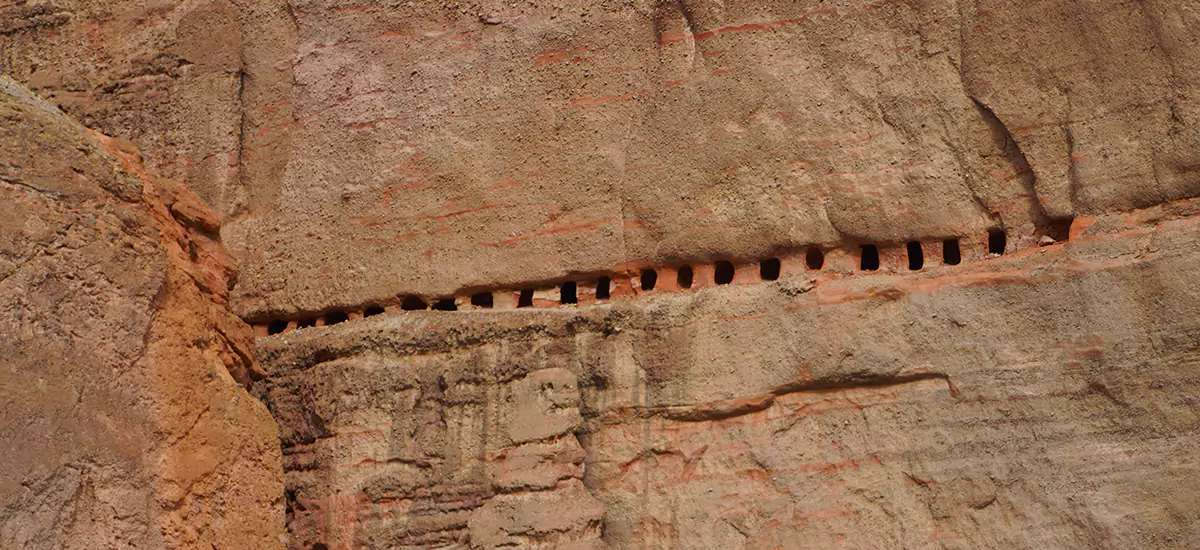
Another fascinating highlight of Upper Mustang is its mysterious sky caves, which are carved high into the massive desert cliffs throughout the region. Some of these ancient caves can still be visited today, including popular sites such as the Chhoser Cave.
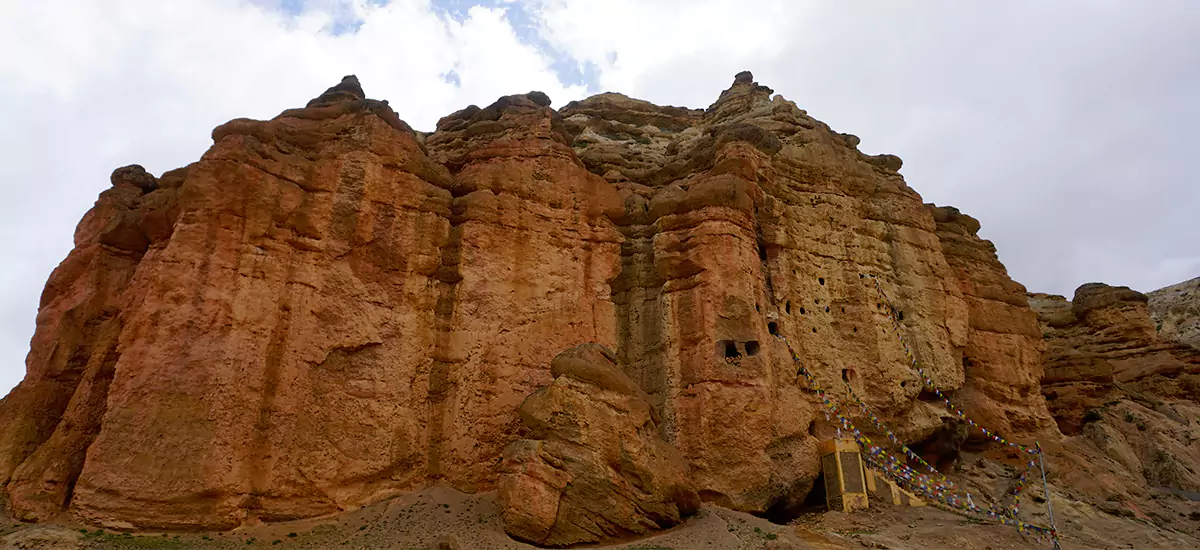
Historians believe that these caves were once used for meditation, shelter, storage, and even as historic fortresses centuries ago. Exploring these caves offers trekkers a glimpse into the ancient lifestyle and hidden history of the Mustang region.
The standard Upper Mustang trek itinerary is around 10 days long, starting from Kagbeni and ending back in Kagbeni, with a two-night stay in the historic town of Lo Manthang.
However, including travel between Kathmandu and Jomsom, the overall trip usually takes about 14 days in total.
Duration: 14 days (including travel days)
Difficulty: Moderate
Highest Elevation: 4298m Choku la pass
Permits: Restricted area trekking permit and ACAP
Accommodation: Tea Houses
Trailhead: Jomsom
Trail End: Jomsom
Restricted Area Start/End: Kagbeni
Transportation: Bus and Flight
Best Time: Feb-May, June-July, and Sept-Nov (Can be done all year round)
Day 1: Drive from Kathmandu to Pokhara (827 m)
Day 2: Fly to Jomsom (2720 m) and Trek to Kagbeni (2810 m) – 3 to 4 Hours
Day 3: Trek from Kagbeni to Chele (3050 m) – 5 to 6 Hours
Day 4: Trek from Chele to Syangboche (3800 m) – 6 to 7 Hours
Day 5: Trek from Syangboche to Ghami (3510 m) – 6 to 7 Hours
Day 6: Trek from Ghami to Tsarang (3560 m) – 4 to 5 Hours
Day 7: Trek from Tsarang to Lo Manthang (3840 m) – 4 to 5 Hours
Day 8: Explore Lo Manthang and Visit Chhoser Cave (3840 m)
Day 9: Trek from Lo Manthang to Dhakmar (3820 m) – 6 to 7 Hours
Day 10: Trek from Dhakmar to Ghiling (3570 m) – 5 to 6 Hours
Day 11: Trek from Ghiling to Chhusang (2080 m) – 5 to 6 Hours
Day 12: Trek from Chhusang to Jomsom (2720 m) – 6 to 7 Hours
Day 13: Fly from Jomsom to Pokhara (820) – 20-Minute Flight
Day 14: Drive from Pokhara to Kathmandu (1,350 m) – 6 to 8 Hours
Monsoon season in Nepal usually begins in June, when moisture-filled winds from the Bay of Bengal bring heavy rainfall across most parts of the country. However, Upper Mustang remains mostly dry because of a natural process called the rain shadow phenomenon.
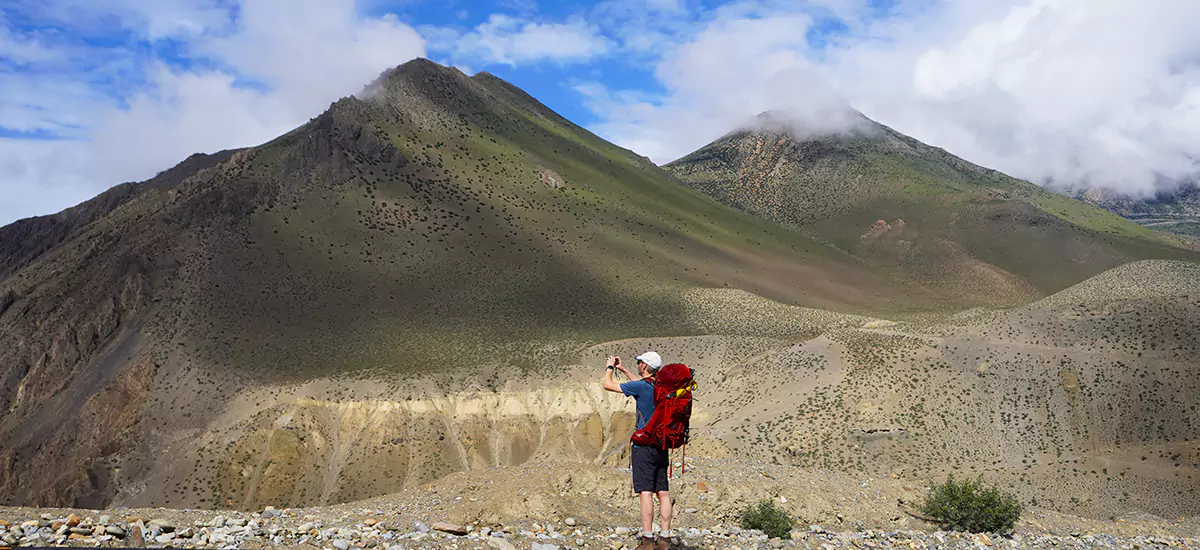
The massive Annapurna and Dhaulagiri mountain ranges block the monsoon clouds, causing most of the rainfall to occur on the southern side of the Himalayas in places like Pokhara and surrounding regions.
As a result, the northern side of these mountain ranges, including Upper Mustang, receives very little rainfall even during the peak monsoon season.
The average annual precipitation in Upper Mustang is around 250 mm, making it one of the driest regions in Nepal.
Spring (March–May): Daytime 10–20°C, nights around 0–5°C. Perfect for trekking in mild weather.
Summer/Monsoon (June–August): 13–22°C in the day, 5–10°C at night. Dry skies due to the rain shadow effect.Autumn (September–November): 10–18°C in the day, -5–5°C at night. Clear skies and stable weather.
Winter (December–February): Cold and harsh. Daytime temperatures are 0–10°C; night temperatures can drop below -10°C.
Although spring and autumn are considered the best trekking seasons in Nepal, trekking in Upper Mustang during the monsoon has its own unique advantages and offers a truly memorable lifetime experience.
One of the unique benefits of trekking in Upper Mustang during the monsoon season is the chance to witness rare greenery and seasonal vegetation in the region.
Due to limited rainfall and water supplied from melting snow, the otherwise dry landscape becomes more colorful with patches of greenery and blooming wildflowers like saxifrage, primrose, edelweiss, etc., during the monsoon.
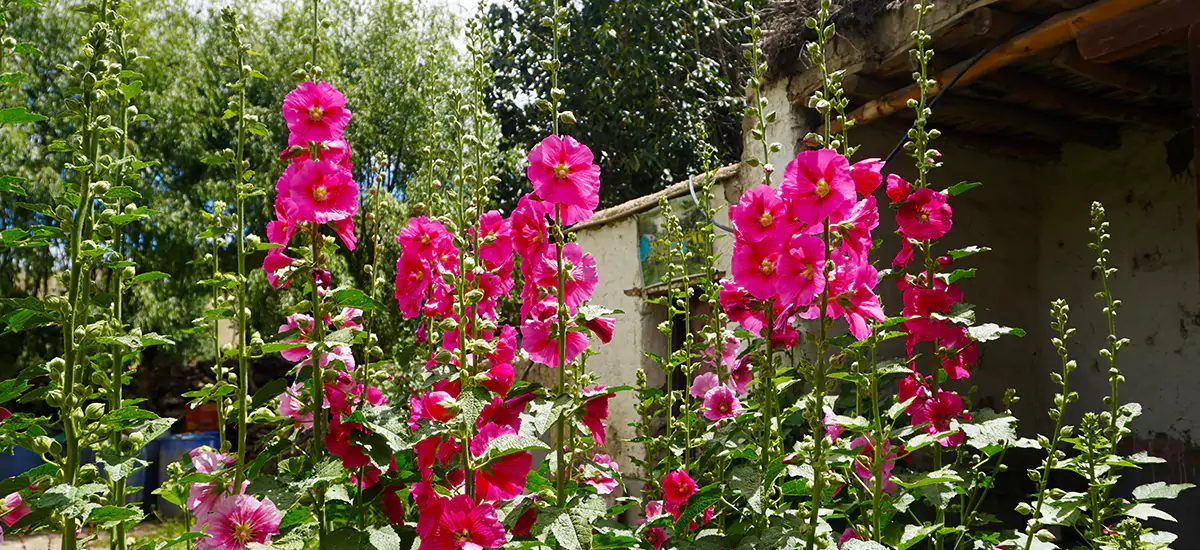
Another major advantage of trekking in Upper Mustang during the monsoon season is the opportunity to experience clear skies and better visibility.
Since most of the monsoon clouds release their moisture on the southern side of the Annapurna and Dhaulagiri ranges, only dry and filtered air reaches Upper Mustang.
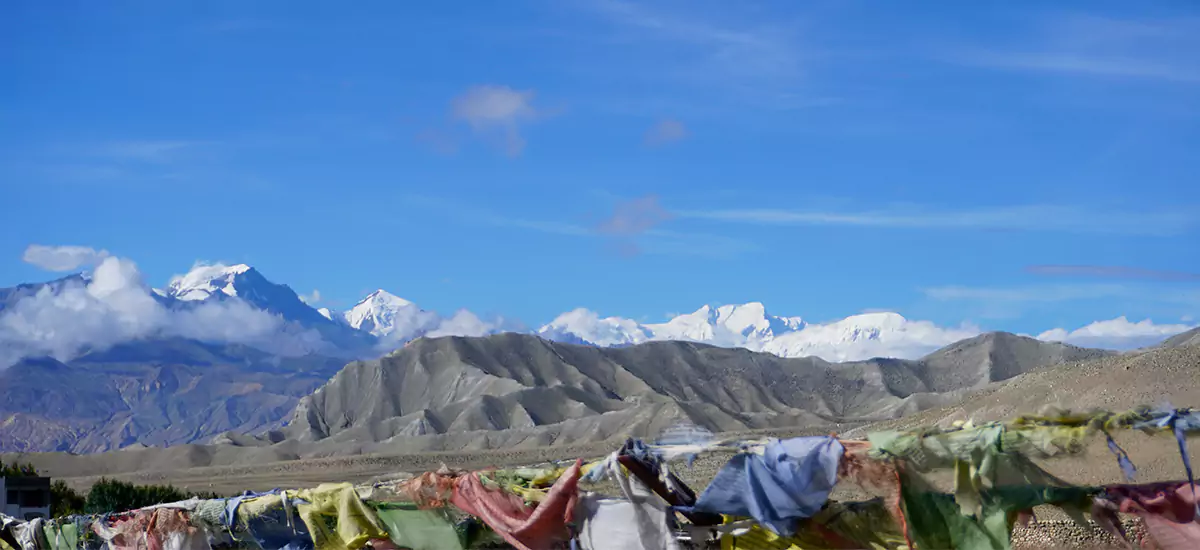
As a result, the region often enjoys bright skies, clear weather, and stunning mountain views even during the monsoon months.
Since spring and autumn are the most popular trekking seasons for the Manaslu Circuit Trek, Everest Base Camp, and other popular routes in Nepal, Upper Mustang receives fewer trekkers during the monsoon months.
This allows visitors to enjoy a more peaceful trekking experience with quieter trails, less crowded tea houses, and a calmer atmosphere throughout the journey.
For trekkers who prefer solitude and a more relaxed travel experience, the monsoon can be an excellent time to visit Upper Mustang.
Besides the famous Tiji Festival celebrated during the spring season, trekkers visiting Upper Mustang in August also have the opportunity to experience the vibrant Yartung Festival.
This traditional three-day festival is celebrated with exciting horse racing events and cultural performances. Based on the Tibetan lunar calendar, the festival is usually celebrated around the August full moon and marks the end of summer and the completion of the agricultural harvest season in the region.
Flights between Pokhara and Jomsom are often unpredictable due to rapidly changing mountain weather, especially during the monsoon season.
Flight delays and cancellations are quite common during this time, so it is always recommended to keep one or two extra buffer days in your itinerary. Trekkers should also be mentally prepared for the possibility of travelling by jeep if flights are cancelled because of weather conditions.
Compared to the peak trekking seasons of spring and autumn, the monsoon season in Upper Mustang may offer fewer food choices in some tea houses due to limited supplies and fewer trekkers in the region.
Not every item listed on the menu may always be available, but trekkers can still enjoy simple and filling meals such as Dal Bhat, noodles, soup, and other basic local foods throughout the trek.
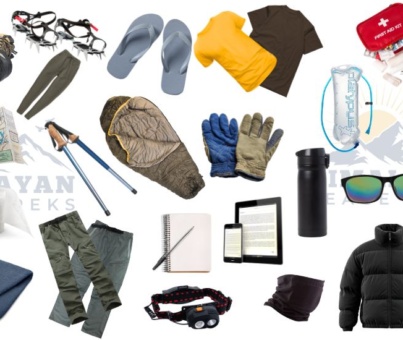
The packing list for the Upper Mustang trek is not very different from other multi-day treks such as Nar Phu Valley, Langtang Valley, and other routes in Nepal. However, there are a few important items that trekkers should not forget, especially during the monsoon season.
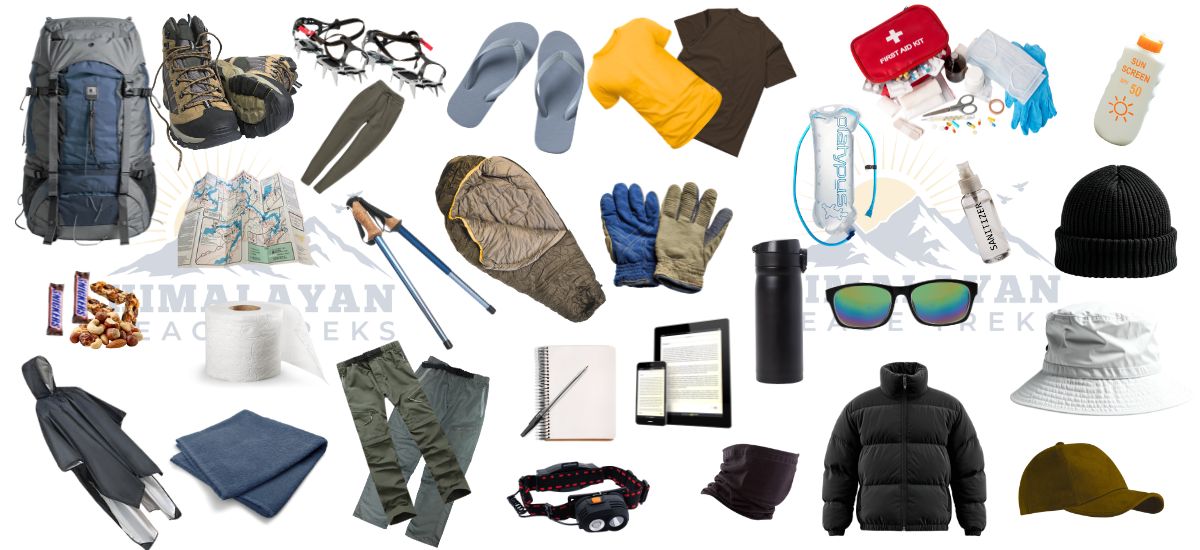
Although Upper Mustang lies in a rain shadow area, light rainfall can still occur occasionally, so carrying a waterproof rain jacket and gaiters is highly recommended. Due to the dry and dusty trails in the region, trekkers should also carry buffs or face masks for protection from dust.
In addition, sunscreen with SPF 40+ is essential due to the strong sun exposure at high altitudes. Click here for the full packing list details.
As per the latest 2026 regulations from the Nepal government, trekkers visiting Upper Mustang are required to obtain a Restricted Area Permit (RAP), which costs USD 50 per person per day.
With the 10-day standard itinerary within the restricted area, the total cost of the Upper Mustang special permit is USD 500. In addition, trekkers also need an Annapurna Conservation Area Permit (ACAP), which costs NPR 3,000 per person.
Trekkers also need travel insurance that covers high-altitude trekking and emergency helicopter evacuation, as sudden altitude sickness and health issues in remote mountain regions may require immediate rescue support.
Choosing Upper Mustang during the monsoon season offers a truly unique and unforgettable trekking experience in Nepal.
From dramatic desert-like landscapes and ancient Tibetan culture to peaceful trails and clear mountain views, the region provides a completely different side of Himalayan trekking during the summer months.
If you are planning your 2026/27 monsoon adventure in Nepal, Himalayan Peace Treks is ready to help you experience Upper Mustang with comfort and confidence.
With years of experience organizing Upper Mustang Trek, we can arrange everything from your arrival in Kathmandu to transportation, permits, accommodation, guides, and overall trekking logistics throughout your journey in Nepal. Feel free to connect with us with any questions.
Have Questions?
Talk to our expert team and plan your trip.
 06 April 2025
 By admin
 05 June 2025
By admin
05 June 2025
By admin
 19 September 2025
By admin
19 September 2025
By admin

