Email us
[email protected]


Email us
[email protected]

Trip booking for 2026 and 2027 is open; you can book any trip from our website.
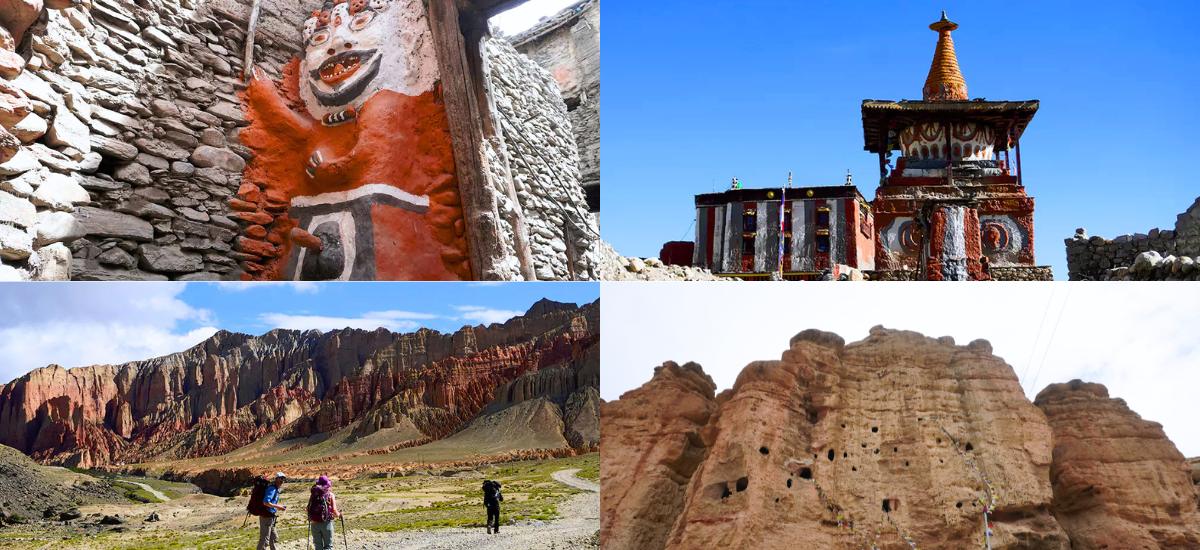
Known as the Last Forbidden Kingdom of Nepal, Upper Mustang is one of the most unique trekking destinations in the Himalayas.
Unlike many popular trekking routes in Nepal that pass through dense forests, green hills, and close-up mountain scenery, Upper Mustang offers a completely different experience. This remote region is famous for its dramatic desert landscapes, colorful cliffs, ancient caves, and centuries-old Tibetan Buddhist culture.
Walking through Upper Mustang feels like stepping into another world, where traditional villages, historic monasteries, and vast open valleys create a trekking experience unlike anywhere else in Nepal.
The combination of breathtaking landscapes, rich cultural heritage, and a unique trans-Himalayan environment is what makes Upper Mustang truly special.
Upper Mustang lies in the northern part of Nepal, within the Mustang District, close to the border with Tibet, China. Located in the trans-Himalayan region, it sits on the northern side of the Annapurna and Dhaulagiri mountain ranges.
One of the most unique features of Upper Mustang is its location within the Himalayan rain shadow zone. The massive mountain ranges block most of the monsoon clouds, resulting in very little rainfall throughout the year.
This dry climate has shaped the region’s distinctive landscape of deep canyons, colorful cliffs, barren hills, and vast desert-like valleys, making it unlike any other trekking destination in Nepal.
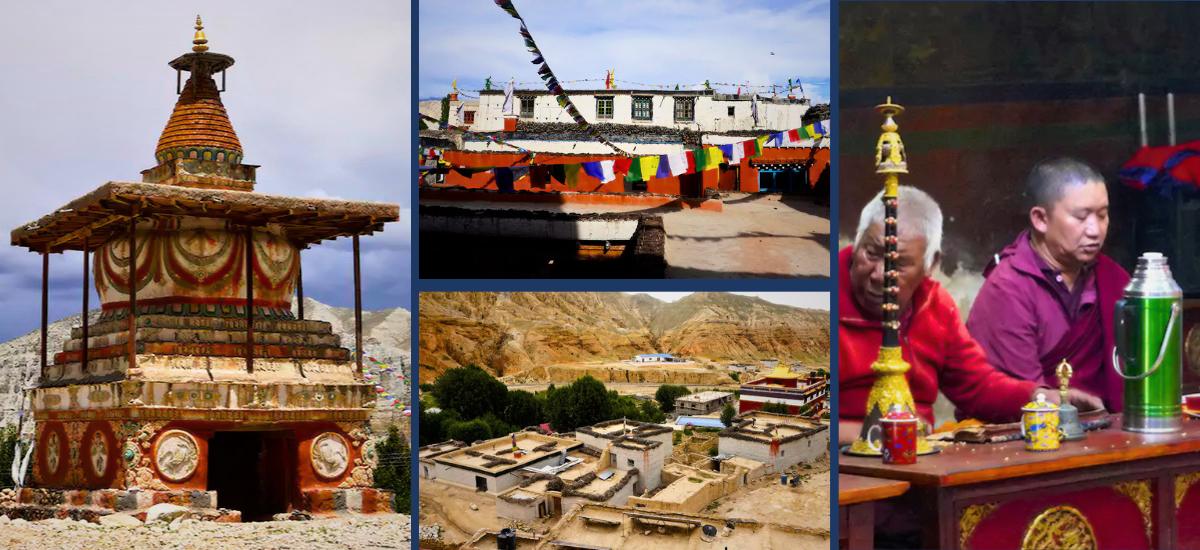
Lo Manthang is the cultural and historical heart of Upper Mustang. Surrounded by ancient mud-brick walls, this remarkable town served as the capital of the former Kingdom of Mustang for centuries and remains one of the region’s most important cultural sites.
Walking through the narrow streets of Lo Manthang offers a glimpse into a way of life that has changed little over generations. Traditional houses, centuries-old monasteries, prayer flags, and strong Tibetan Buddhist influences can be seen throughout the town.
Most Upper Mustang itineraries include a two-night stay in Lo Manthang, giving trekkers time to explore its rich history, unique culture, and nearby attractions.
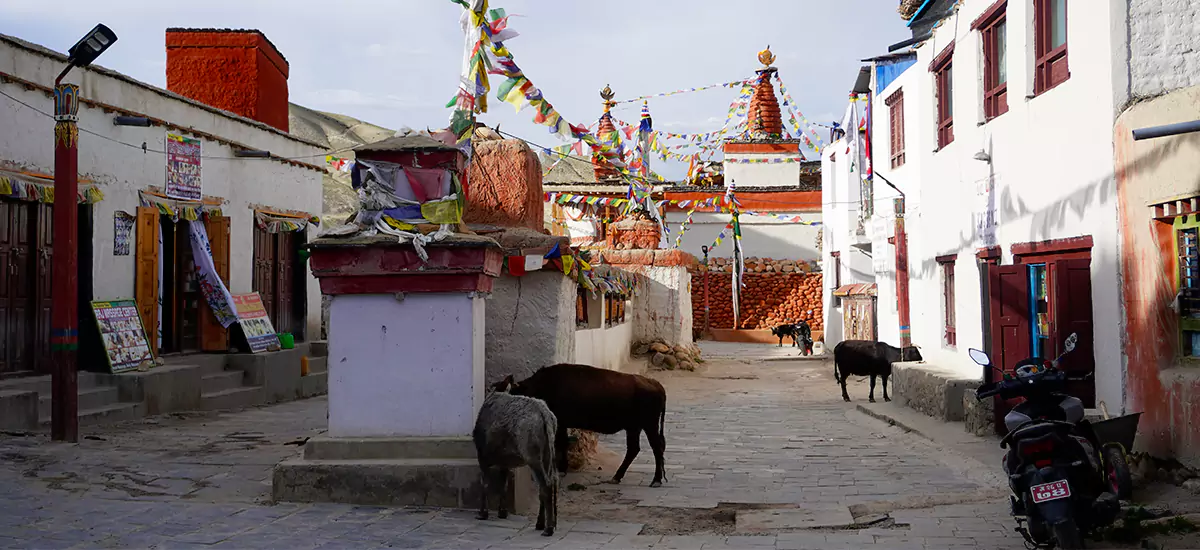
One of the most fascinating aspects of Upper Mustang is its ancient monasteries and well-preserved Buddhist architecture. Almost every village along the trekking route has a monastery that serves as an important cultural and spiritual center for the local community.
Many of these monasteries are centuries old and contain ancient murals, statues, prayer halls, and valuable Buddhist manuscripts. These sacred sites not only showcase the region’s rich Tibetan Buddhist heritage but also offer a unique opportunity to experience traditions that have been preserved for generations.
Another remarkable highlight of Upper Mustang is its mysterious sky caves, which can be seen carved into the region’s towering cliffs and canyon walls.
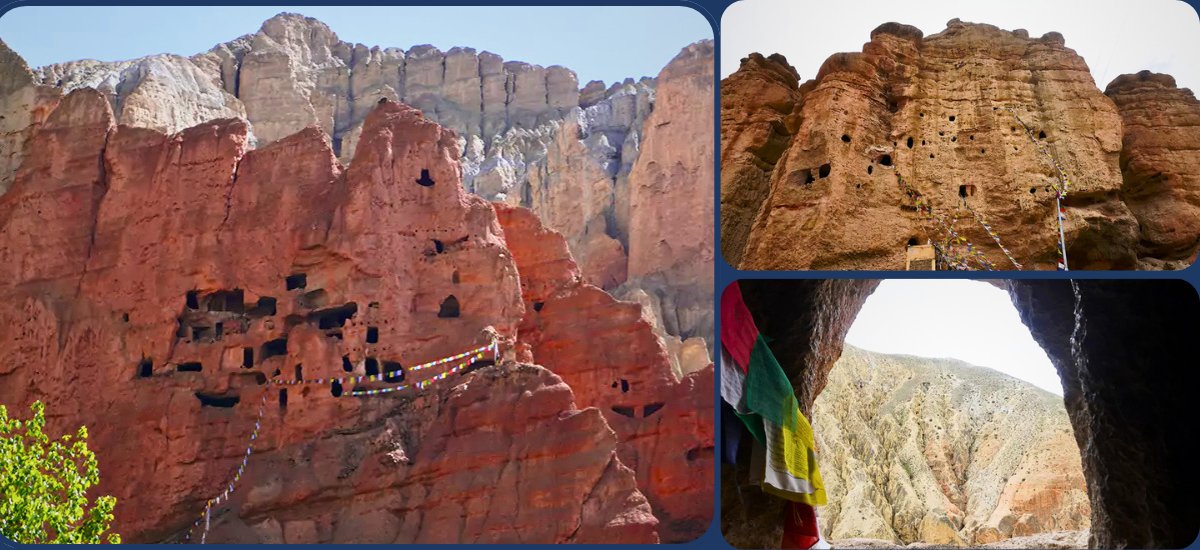
These ancient caves have fascinated historians and archaeologists for years, and are believed to have been used for shelter, meditation, storage, and other purposes in the past. One of the most popular cave sites for trekkers to visit is Chhoser Cave, a multi-story complex located near Lo Manthang.
Exploring these artificial caves offers a unique glimpse into the history and ancient civilizations of the Mustang region.
Upper Mustang is one of the best places in Nepal to experience authentic Tibetan Buddhist culture. Due to its remote location and centuries of isolation, many of the region’s traditions, customs, language, and way of life have remained remarkably well preserved.
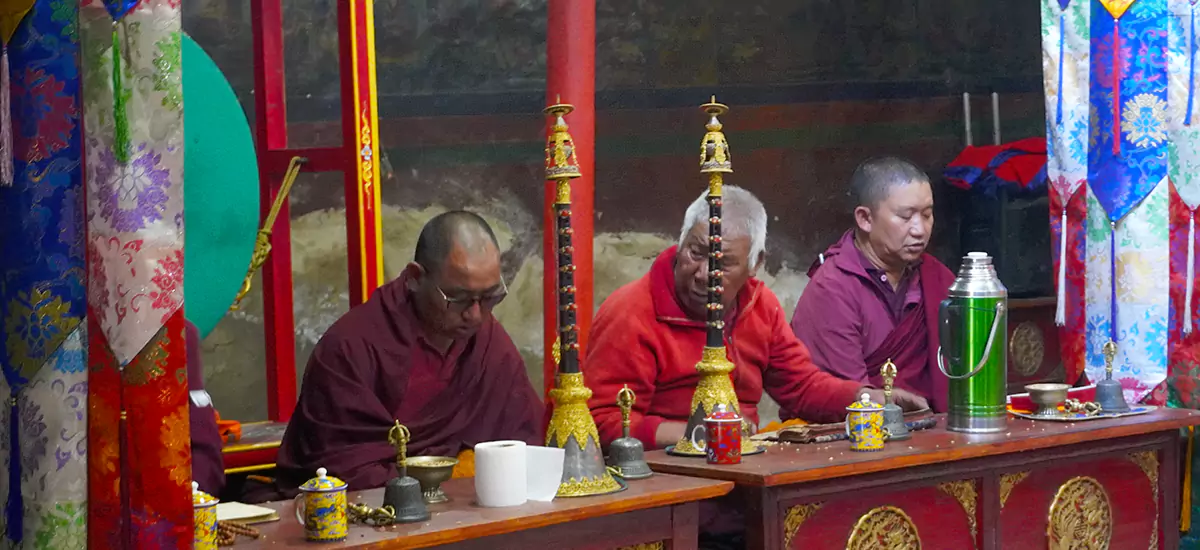
As trekkers pass through traditional villages, visit monasteries, and interact with local communities, they can witness a living culture that has been passed down through generations.
This strong cultural heritage gives visitors the feeling of stepping back in time and experiencing a way of life that has changed very little over the centuries.
One of the most striking features of Upper Mustang is its unique desert landscape, unlike any other trekking region in Nepal. Located in the Himalayan rain shadow zone, the region receives very little rainfall year-round, creating a dramatic landscape of barren hills, deep canyons, colorful rock formations, and vast open valleys.
What makes the scenery even more remarkable is the contrast between these desert-like surroundings and the snow-capped peaks visible in the distance. This rare combination of arid landscapes and Himalayan mountain views gives Upper Mustang its distinctive beauty and makes it a truly unforgettable trekking destination.
The Tiji Festival is one of the most important cultural celebrations in Upper Mustang and a major attraction for visitors to the region. Celebrated annually in mid-May in Lo Manthang, this colorful three-day festival is deeply rooted in Tibetan Buddhist traditions.
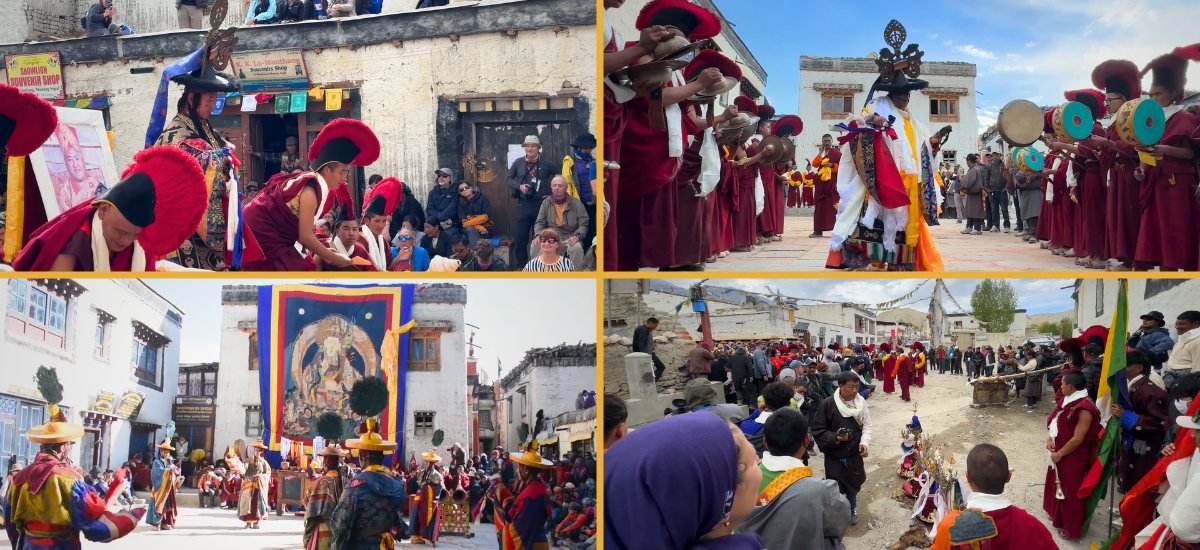
The festival commemorates the victory of Dorje Jono, a deity believed to have defeated a powerful demon that was causing suffering and hardship for the people of Mustang. Through traditional masked dances, rituals, music, and ceremonial performances, local monks reenact this ancient story, symbolizing the triumph of good over evil.
For trekkers, the Tiji Festival offers a rare opportunity to witness the rich spiritual heritage and vibrant cultural traditions of Upper Mustang.
The traditional villages of Upper Mustang offer a wonderful opportunity to experience the region’s rich Tibetan culture and way of life.
As you trek through villages such as Kagbeni, Ghami, Tsarang, and Lo Manthang, you will encounter centuries-old traditions, unique architecture, and a strong sense of community. Equally memorable is the warm hospitality of the local people, who are known for their welcoming nature and friendly smiles.
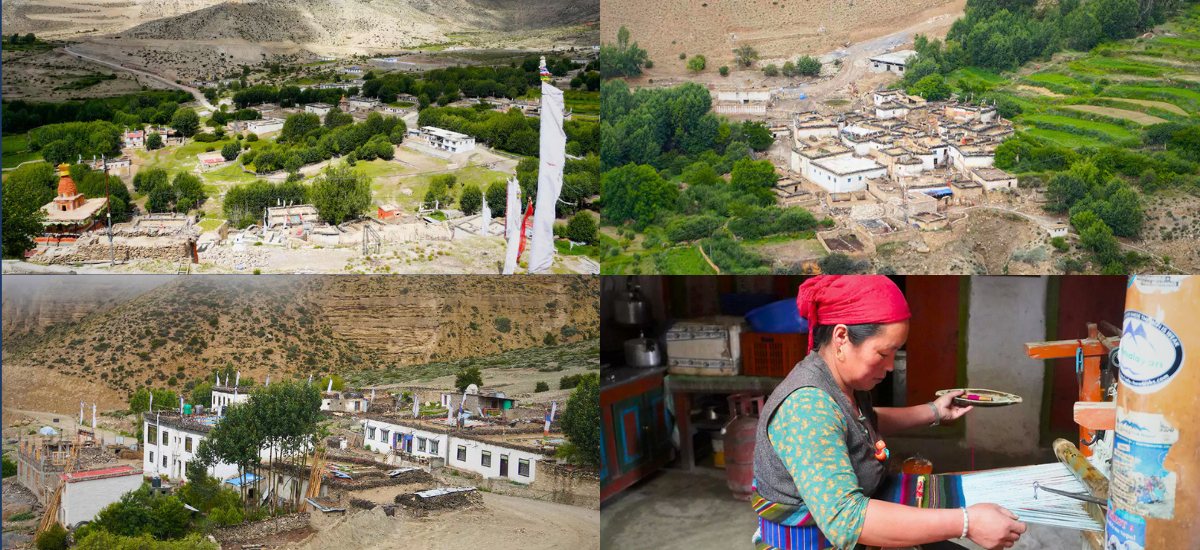
Whether staying in local tea houses or meeting villagers along the trail, trekkers are often greeted with kindness and genuine hospitality, making the journey even more meaningful and enjoyable.
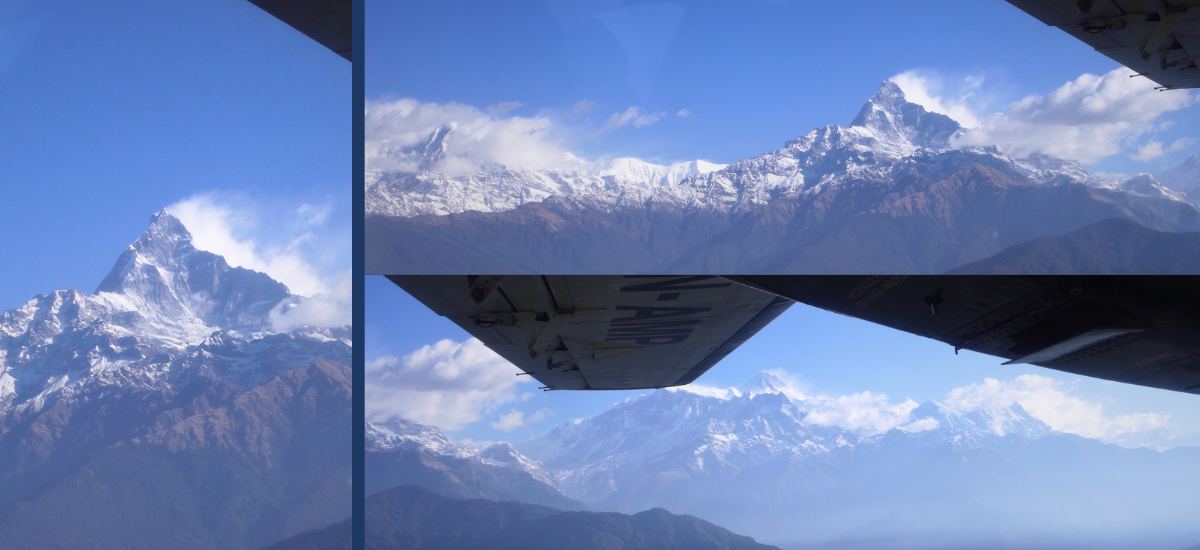
The flight to and from Jomsom is a highlight of the Upper Mustang journey itself. On clear days, trekkers can enjoy spectacular aerial views of the Himalayas, deep river valleys, and rugged mountain landscapes.
The short flight offers a unique perspective of the Annapurna and Dhaulagiri regions, allowing visitors to appreciate the scale and beauty of Nepal’s mountain scenery from above. For many travelers, this scenic flight becomes one of the most memorable parts of the entire Upper Mustang experience.
Upper Mustang Trek is not only rich in culture and history but also offers a fascinating glimpse into the region’s ancient geological past.
Along certain parts of the trail, trekkers may come across marine fossils embedded in rocks, evidence that this area was once covered by an ancient sea millions of years ago, before the Himalayas were formed.
These rare fossils provide unique insight into the natural history of the region and add another layer of discovery to the trekking experience. For nature enthusiasts and curious travelers, finding these ancient remnants can be one of the most unexpected and memorable highlights of Upper Mustang.
To make the trek even more memorable, knowing the Standard Itinerary, what to pack in the backpack, and which documents and permits are required is also key.
The standard Upper Mustang Trek itinerary usually takes around 14 days, starting and ending in Kathmandu. The journey includes travel to and from Jomsom, followed by a trek through traditional Mustang villages to Lo Manthang, the historic capital of the ancient Mustang Kingdom.
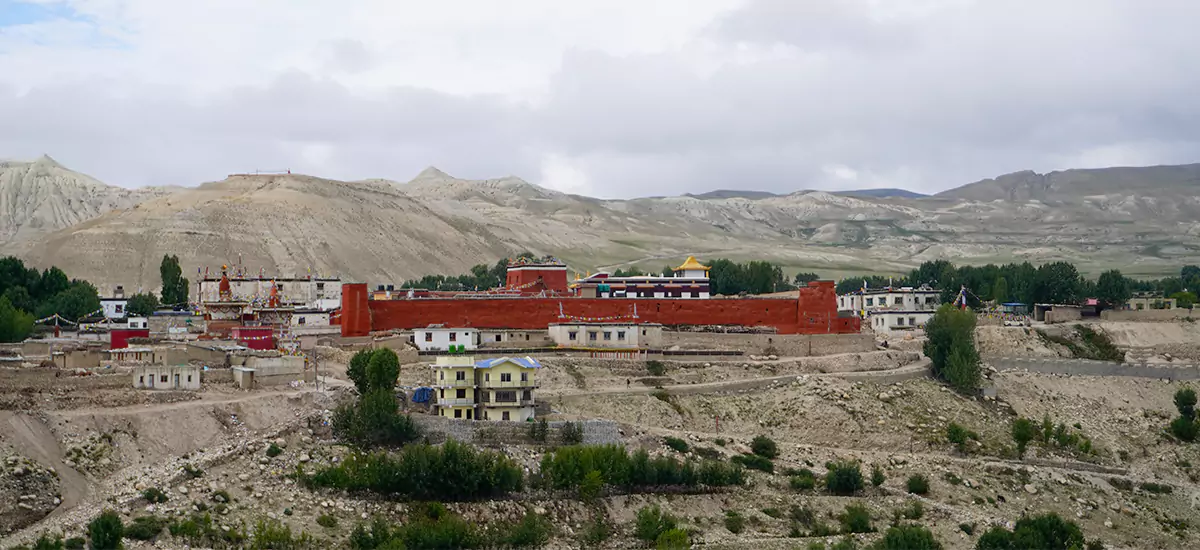
Most itineraries include a two-night stay in Lo Manthang, allowing trekkers to explore its monasteries, nearby villages, and surrounding cultural sites.
This well-paced itinerary provides enough time to experience the unique landscapes, rich Tibetan culture, and major highlights of Upper Mustang while also allowing for proper acclimatization during the trek.
Day 1: Drive from Kathmandu to Pokhara (827 m)
Day 2: Fly to Jomsom (2720 m) and Trek to Kagbeni (2810 m) – 3 to 4 Hours
Day 3: Trek from Kagbeni to Chele (3050 m) – 5 to 6 Hours
Day 4: Trek from Chele to Syangboche (3800 m) – 6 to 7 Hours
Day 5: Trek from Syangboche to Ghami (3510 m) – 6 to 7 Hours
Day 6: Trek from Ghami to Tsarang (3560 m) – 4 to 5 Hours
Day 7: Trek from Tsarang to Lo Manthang (3840 m) – 4 to 5 Hours
Day 8: Explore Lo Manthang and Visit Chhoser Cave (3840 m)
Day 9: Trek from Lo Manthang to Dhakmar (3820 m) – 6 to 7 Hours
Day 10: Trek from Dhakmar to Ghiling (3570 m) – 5 to 6 Hours
Day 11: Trek from Ghiling to Chhusang (2080 m) – 5 to 6 Hours
Day 12: Trek from Chhusang to Jomsom (2720 m) – 6 to 7 Hours
Day 13: Fly from Jomsom to Pokhara (820) – 20-Minute Flight
Day 14: Drive from Pokhara to Kathmandu (1,350 m) – 6 to 8 Hours
The packing requirements for the Upper Mustang Trek are similar to those for the Everest Base Camp and Annapurna Circuit in Nepal. Trekkers should carry appropriate clothing, trekking gear, and personal essentials suitable for varying weather conditions and high-altitude environments. You can find our complete Upper Mustang packing list by clicking here.
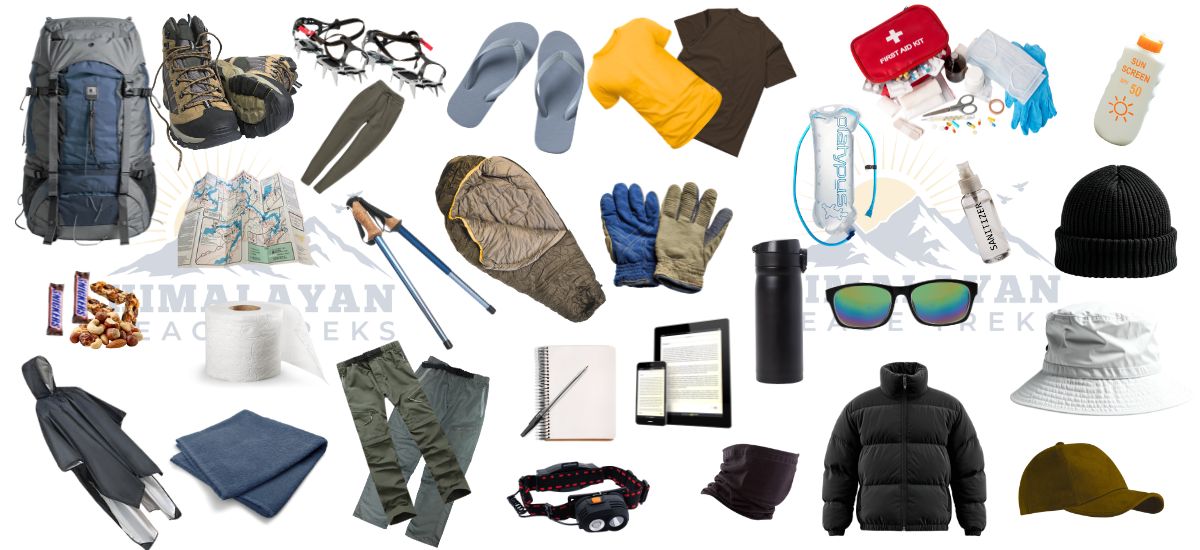
A few items deserve special attention. Due to the region’s dry, dusty trails, carrying a buff or a face mask can make the trek more comfortable. Sunscreen with a high SPF rating is also highly recommended, as the strong sun and high altitude can lead to significant sun exposure throughout the journey.
Under the latest 2026 regulations from the Nepal government, trekkers visiting Upper Mustang must obtain a Restricted Area Permit (RAP), which costs USD 50 per person per day.
With the 10-day standard itinerary within the restricted area, the total cost of the Upper Mustang special permit is USD 500. In addition, trekkers also need an Annapurna Conservation Area Permit (ACAP), which costs NPR 3,000 per person.
Trekkers also need travel insurance that covers high-altitude trekking and emergencies, as sudden altitude sickness and health issues in remote mountain regions may require immediate rescue support.
For complete details about the Upper Mustang Trek package, itinerary, services, and pricing, click here.
If you are planning your 2026/27 Upper Mustang adventure, our team is ready to help you explore this remarkable region with confidence.
We can assist with permits, transportation, accommodation, experienced guides, and all the logistics needed for a smooth and memorable journey. Join us and discover why Upper Mustang remains one of Nepal’s most fascinating trekking destinations.
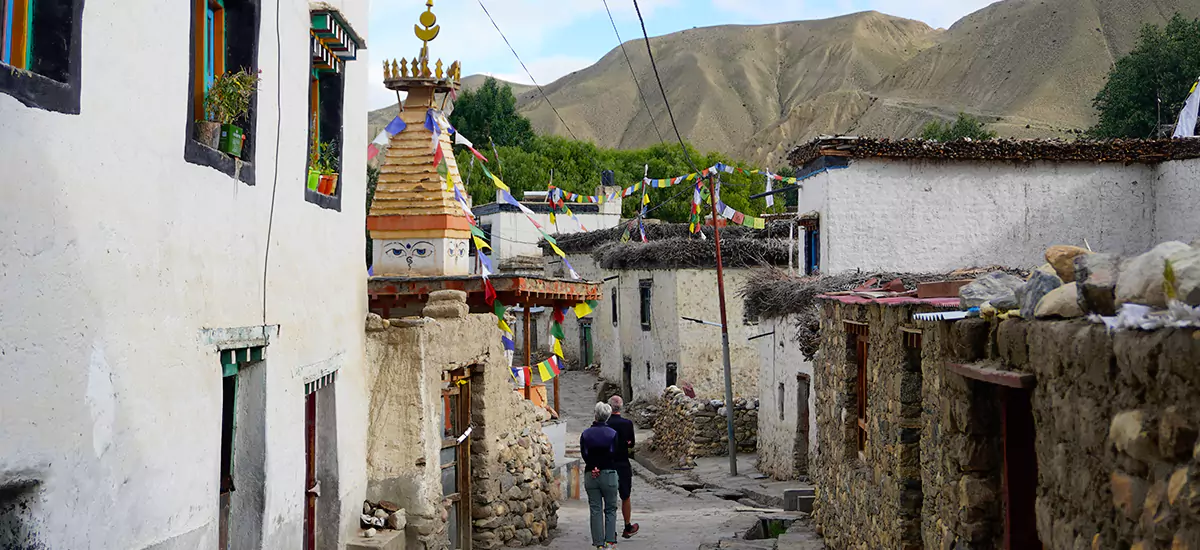
Can I visit Upper Mustang during the monsoon season?
Yes. Unlike most trekking regions, such as the Everest Three Passes or the Manaslu Circuit trek in Nepal, Upper Mustang is one of the few destinations that can be comfortably visited during the monsoon season. Located in the Himalayan rain shadow zone, the region receives very little rainfall, even as much of Nepal experiences heavy monsoon rains.
This makes Upper Mustang an excellent choice for summer trekking. The monsoon season also brings patches of greenery, blooming vegetation, and fewer trekkers on the trail, offering a unique perspective of the region.
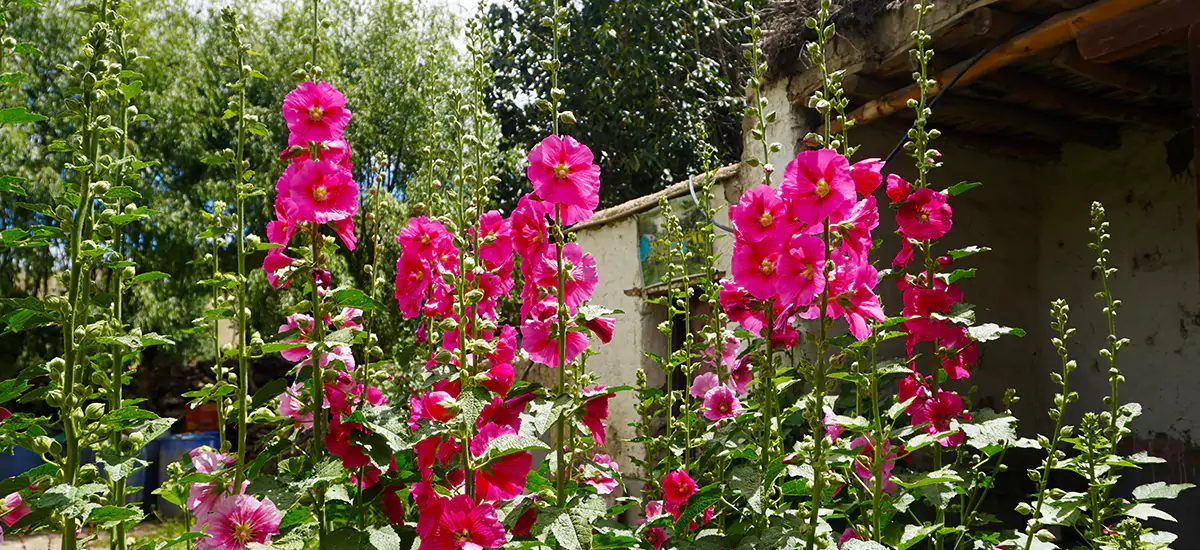
Do I need a guide for the Upper Mustang Trek?
Yes. Since Upper Mustang is a restricted area of Nepal, trekking with a licensed guide is mandatory. Independent trekking is not permitted in the region. Beyond the permit requirements, having a guide greatly enhances the trekking experience.
Guides assist with navigation, accommodation, local information, cultural insights, and overall trek management, allowing trekkers to enjoy the journey with greater comfort and confidence.
Is the Upper Mustang Trek suitable for beginners?
Yes. The standard 14-day Upper Mustang Trek is generally considered suitable for beginners with a reasonable level of fitness.
Compared to more demanding treks such as Nar Phu Valley or Manaslu Circuit, the route involves fewer steep ascents and is technically less challenging. However, trekkers should still be prepared for multiple days of walking at altitude.
For those seeking a greater challenge, the trek can be extended with high-pass routes, which increase the overall difficulty.
How much does the Upper Mustang permit cost?
As per the latest 2026 regulations, trekkers visiting Upper Mustang must obtain a Restricted Area Permit (RAP), which costs USD 50 per person per day.
In addition, trekkers are also required to obtain an Annapurna Conservation Area Permit (ACAP), which costs NPR 3,000 per person. These permits are mandatory for all foreign trekkers visiting the Upper Mustang region.
What is the best time to visit Upper Mustang?
The best seasons to visit Upper Mustang are spring (March–May) and autumn (September–November), which are generally considered the ideal trekking seasons in Nepal due to their stable weather and pleasant temperatures.
However, unlike many other trekking regions in the country, Upper Mustang can also be visited during the monsoon season. Located in the Himalayan rain shadow zone, the region receives very little rainfall, making it one of Nepal’s few monsoon-friendly trekking destinations.
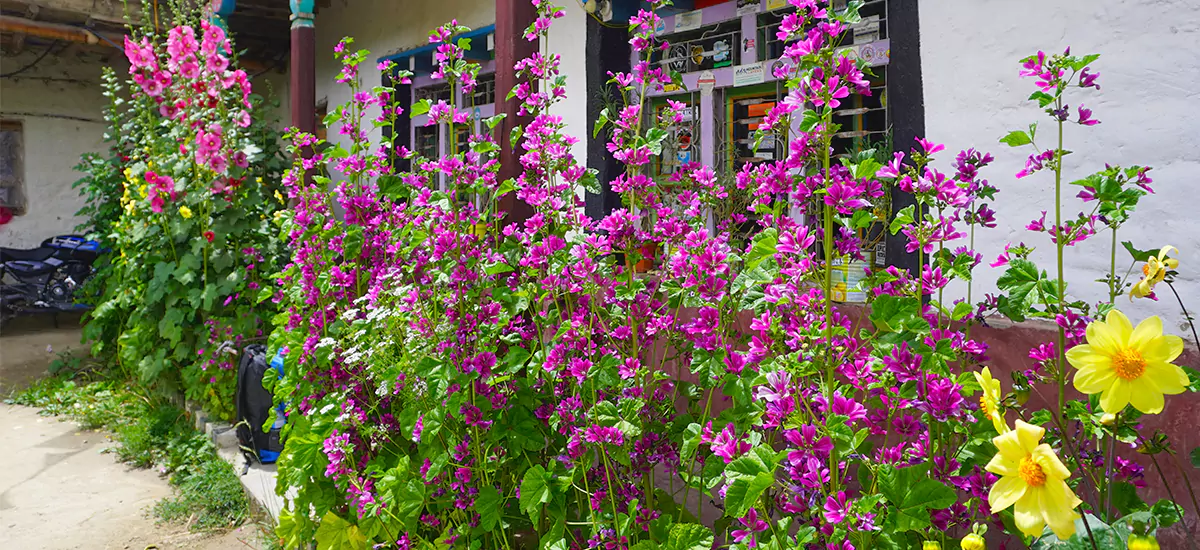
Each season offers a different experience, and many trekkers enjoy visiting during the summer months to witness the region’s greenery, unique landscapes, and quieter trails.
Have Questions?
Talk to our expert team and plan your trip.

 31 May 2026
 By admin
 19 September 2025
By admin
19 September 2025
By admin
 05 June 2025
By admin
05 June 2025
By admin

