


Nar Phu Valley Trek
16 Reviews on Tripadvisor

Trip Duration
11 Days
Max. Altitude
5,320m. / 17,454ft.
Nature of Trip
Tea House Trek
Trip Difficulty
Challenging
Group Size
2-20
Best Seasons
March-May/Sep-Nov
Activity
Trekking
Start/End
Kathmandu/KathmanduNar Phu Valley Trek
16 Reviews on Tripadvisor
The Nar Phu Valley Trek is a highly recommended trek if you are looking for authentic cultural immersion, incredible snow-capped mountains and an exciting physical challenge. The trek takes you into a remote, restricted region of Nepal, just off of the famous Annapurna Circuit Trek, and includes a trek to a mountain base camp and over a high mountain pass. Due to the restricted nature of the area, the Nar Phu Valley is less visited, more serene and bursting with cultural and natural beauty.
The Nar Phu Valley is such a special place, we even have a Nar Phu Valley Yoga Trek created specifically for those looking for a deeper experience. We have an upcoming group yoga trek heading off on November 14th, 2025 for 12 days.
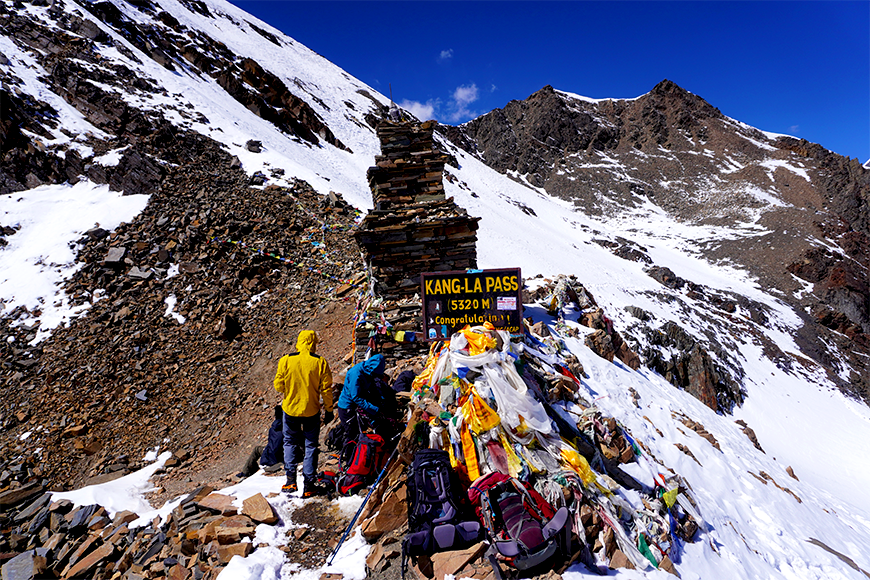
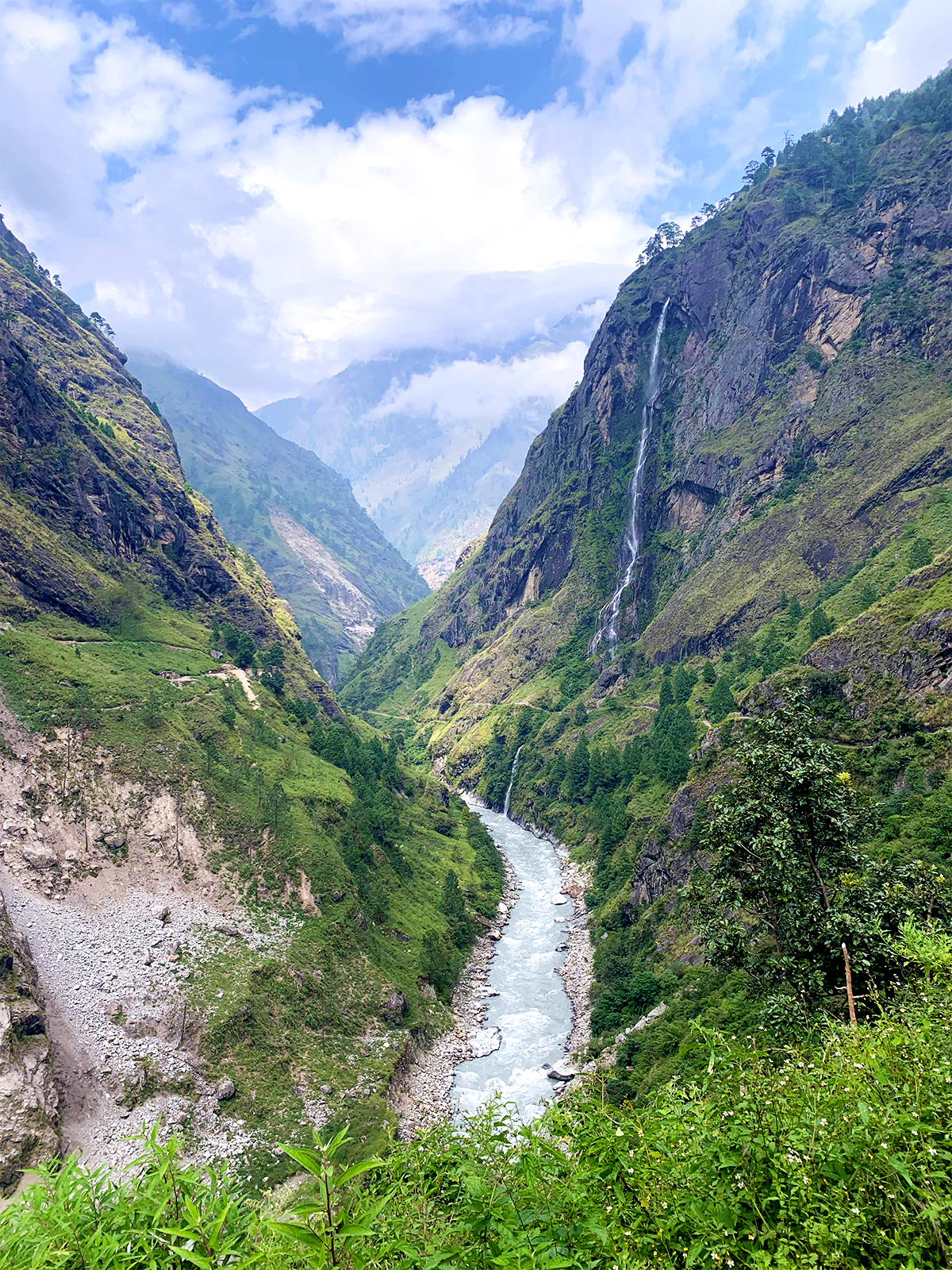
The trail begins at lower elevation, passing through lush forests and local farmland and alongside freshwater rivers and waterfalls. As the trek continues, the elevation increases, the landscape changes and the region becomes rugged and less influenced by tourists. Eventually you are surrounded by rocky alpine, ancient architecture and abundant wildlife. For an exhilarating physical challenge and amazing mountain views, you can take a day hike to Himlung Base Camp (4900 m) and then cross Kang La Pass (5320 m).
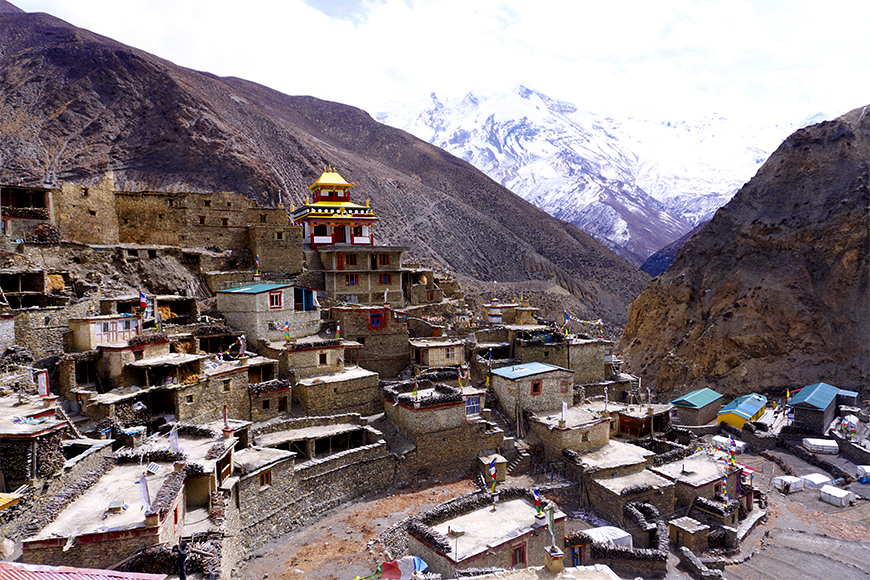
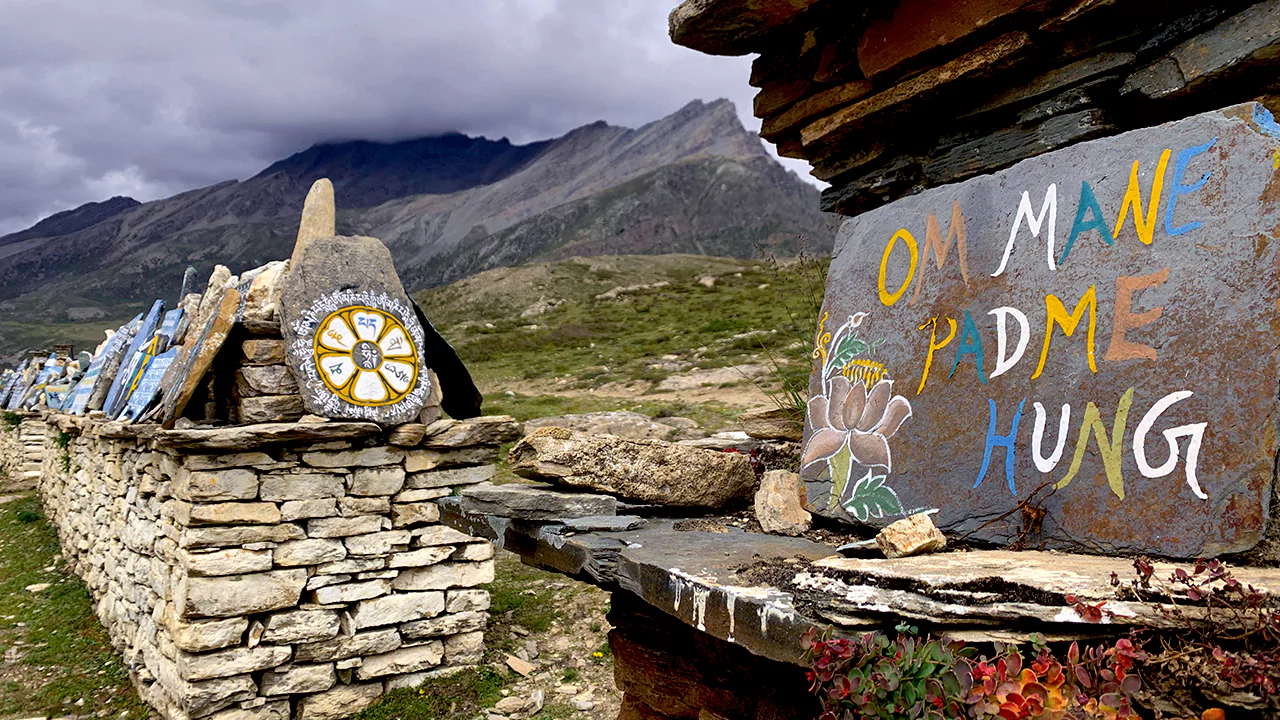
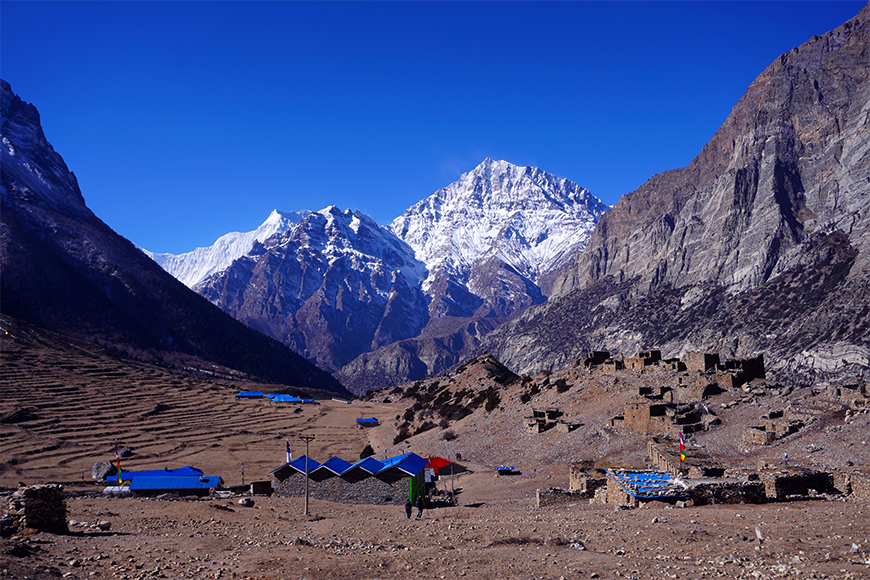
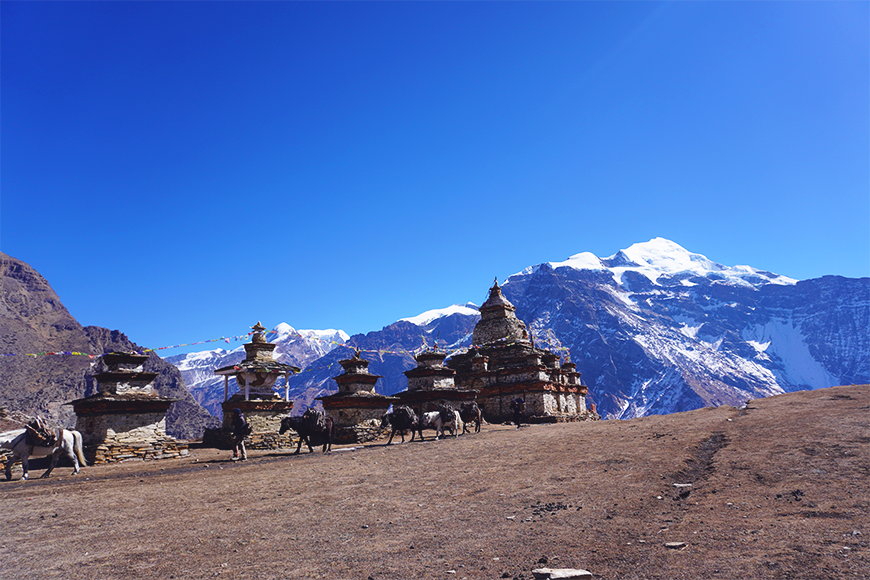
The Nar Phu Valley’s deep roots of Tibetan Buddhism can be seen in the many stupas, monasteries, and stone mani walls that adorn the paths and traditional villages. This Nar Phu Trekking itinerary even includes an overnight stay in a local monastery.
The Nar Phu Valley is in a restricted area of Nepal which means that special permits are required in order to enter. Because of the extra protocol and permits, it leaves the area much quieter, more abundant in wildlife and the local Tibetan culture has been well preserved. The landscapes are astounding, changing every day, with ancient architecture dotted along the way. The valley is in a rain shadow, meaning it receives less rainfall due to its positioning, so it is an ideal destination if you are travelling to Nepal during or around Monsoon season (May-August).
Trekking into the Nar Phu Valley offers an ideal blend of authentic culture and stunning nature, with physical challenges of trekking to a mountain base camp and over a high mountain pass. The trek itinerary is highly customizable. There are options to shorten your journey, include more rest and acclimatization days, or even extend your trek to see more of the unique surrounding landscapes.
Please consider booking your trek with our ethical trekking company, Himalayan Peace Treks. We are a small Nepali company that is dedicated to operating with integrity and compassion. We would love to hear from you to discuss how you can trek peacefully with our team.
Nar Phu Valley Trek Highlights
- Feel the peace and serenity of hiking into an extraordinary remote region of Nepal
- Endless natural splendors from rivers and waterfalls to forests and meadows, to unique rock formations and snow-capped mountains which change constantly with the elevation
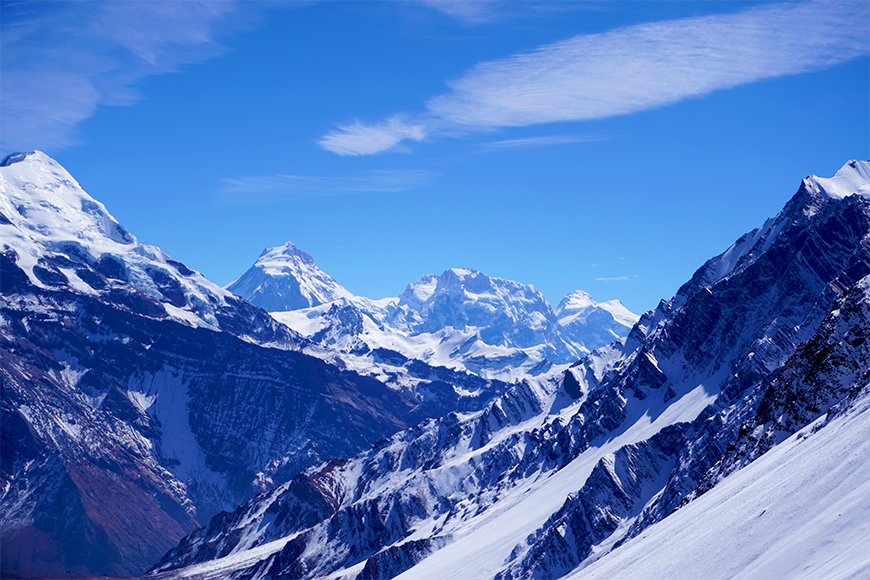
- Views of major mountain peaks including Manaslu (8163 m), Himlung Himal (7126 m), Gangapurna (7455 m), Annapurna II, III & IV (7937 m, 7555 m & 7525 m) and more
- Observe the unique architecture, way of life, and preserved Buddhist traditions of the local people
- An overnight stay in a Buddhist monastery
- The opportunity to challenge yourself physically with a hike to Himlung Base Camp at 4900 m and Kang La Pass at 5320 m
- Feel the richness of culture and depth of spirituality displayed in many Buddhist structures and sites including mani walls (engraved with prayers), prayers wheels, prayer flags, stupas, gompas and monasteries
Why Trek With Himalayan Peace Treks?
We are a trusted, ethical trekking and tour company that facilitates incredible experiences in the Himalayas. You can feel good about choosing our company to guide you because of our genuinely excellent service and commitment to giving back to our communities and the environment.
Our ethical trekking approach means appropriate wages and working conditions for our wonderful team, community empowerment and support, and environmental consciousness. We are honest and thoughtful with our guests and everyone we do business with. We promise you transparency and enjoyment from start to finish and would be happy to customize your trip for you.
Our main community projects include donating directly to local schools and orphanages to support children in need. Sustainable trekking is in our hearts and is also in the hands of those heading into the mountains themselves, so we will brief you on how you can trek more sustainably with us.
With decades of experience among the team, we would love the opportunity to share with you what we love about the Himalayas in the most peaceful way.
Nar Phu Valley Itinerary Summary
Pre-Trek Day 00: Arrival in Kathmandu (1345 m)
Pre-Trek Day 0: Final Day in Kathmandu
Trek Day 1: Drive Kathmandu to Jagat (1410 m) 208 km, 8-9 hours
Trek Day 2: Trek Jagat to Dharapani (1960 m) 16 km, 6-7 hours
Trek Day 3: Trek Dharapani to Koto (2610 m) 13 km, 5-6 hours
Trek Day 4: Trek Koto to Meta (3569 m) 15 km, 7-8 hours
Trek Day 5: Trek Meta to Phu (4050 m) 16 km, 7 hours
Trek Day 6: Acclimatization Day in Phu. Rest Day or Hike to Himlung Base Camp (4900 m)
Trek Day 7: Trek Phu to Nar Phedi (3750 m) 15km, 6 hours
Trek Day 8: Trek Nar Phedi to Nar village (4110 m) 5 km, 3 hours
Trek Day 9: Trek Nar to Kang La Pass (5319 m) and then to Ngawal (3720 m) 16 km, 8-10 hours
Trek Day10: Drive to Besisahar (760 m) 60 km, 5-6 hours
Trek Day 11: Drive Besisahar to Kathmandu (1345 m) 175 km, 6-8 hours
Photo/Video Gallery
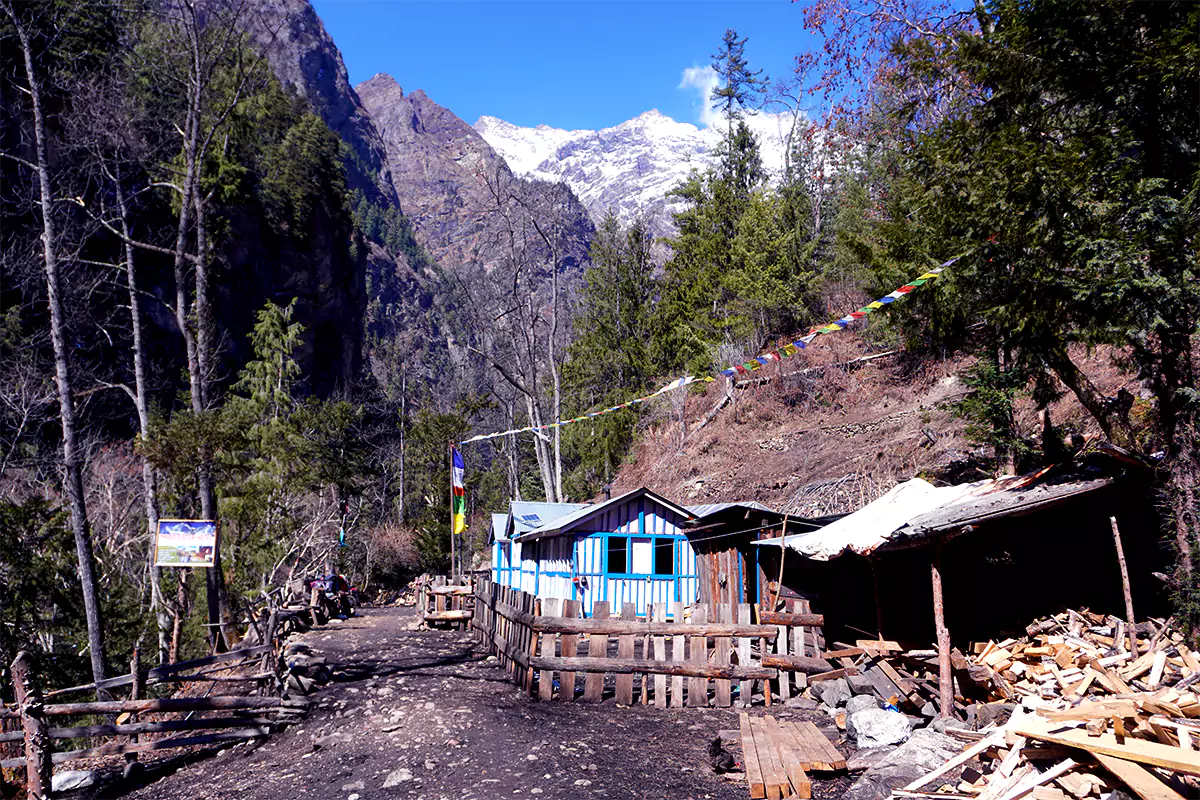
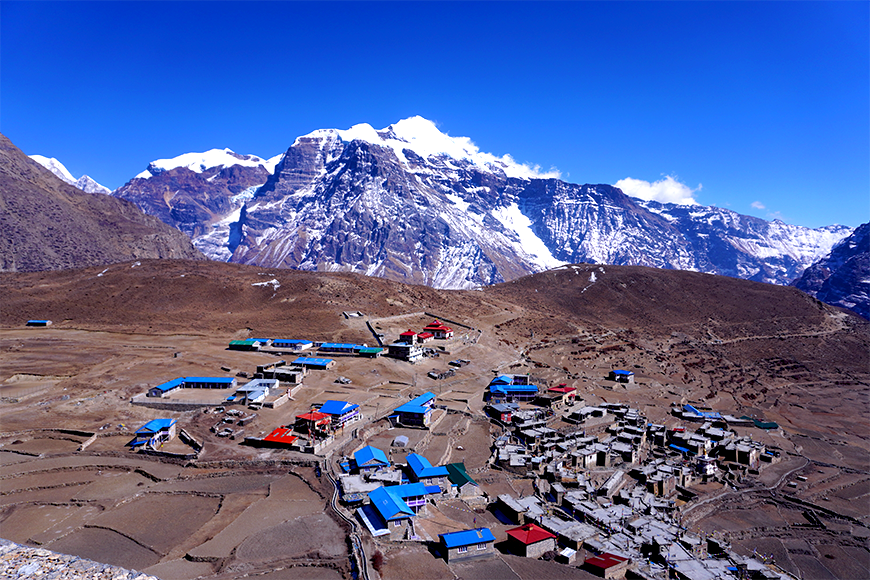
Itinerary of Nar Phu Valley Trek
We are happy to work with you to adjust this itinerary to create a personalized experience for you.
*Times are estimated based on average hiking pace and do not include breaks.
Day 00: Pre-Trek Day - Arrival in Kathmandu (1345 m)
Feel free to arrive today, or earlier, to enjoy Kathmandu Valley, rest, and prepare for your trek. You will be greeted at Tribhuvan International Airport in Kathmandu and provided with transportation to your pre-booked hotel in Thamel, the tourist hub of Kathmandu. Please let us know your flight itinerary so we can arrange your pick-up.

Distance: 0 km

Overnight Altitude: 1345m./4,413ft. (Kathmandu)

Meal: n/a

Accommodation: Three Star Hotel
Day 0: Pre-Trek Day - Final Day in Kathmandu and Trekking Preparations
Today is the final day in Kathmandu for us to meet and obtain your required permits. We will brief you so that you feel fully prepared to commence on your trek. You have time today to explore Kathmandu and for any final trekking preparations. We can arrange exploring in Kathmandu’s UNESCO World Heritage Sites like Swayambhunath (Monkey Temple) and Durbar Square, a Himalayan singing bowl session, and/or yoga class for your group. We would like to invite you for dinner this evening which is included in your package.
Distance: 0 km
Overnight Altitude: 1345m./4,413ft. (Kathmandu)
Meal: Breakfast at Hotel & Welcome Dinner
Accommodation: Three Star Hotel
Day 1: Drive Kathmandu to Jagat (1410 m) 8-9 hours
Enjoy your breakfast at the hotel or get it packed to take along with you for your road journey. The drive is long and scenic; passing through villages and fields in the rolling foothills which guide your way into the mountains. The first part of the day is a drive via local bus to Besisahar, the entry point to the Annapurna Conservation Area. Transfer in Besisahar to a sharing jeep that will take you the rest of the way to the starting point of your adventure, the town of Jagat. The roads in Nepal can be dusty and bumpy so come prepared to ward off any motion sickness with snacks and podcasts!
Distance: 208 km
Overnight Altitude: 1410m./4,626ft. (Jagat)
Meal: Breakfast, Lunch & Dinner
Accommodation: Tea House
Day 2: Trek Jagat to Dharapani (1960 m) 6-8 hours
An exciting day as you officially begin the beautiful Nar Phu Trek on foot! The route follows along the Marsyangdi River in the bottom of the valley and then ascends slowly. Most of the day is spent in subtropical forests and walking along the road that has been cut out of the rocky hills. You can expect to see many waterfalls cascading down the towering cliffs and perhaps some lizards amongst the rocks and mosses.
Distance: 16 km
Overnight Altitude: 1960m./6,430ft. (Dharapani)
Meal: Breakfast, Lunch & Dinner
Accommodation: Tea House
Day 3: Trek Dharapani to Koto (2610 m) 5-6 hours
Today’s trail veers off of the path of the regular Annapurna Circuit and into the more remote, restricted area of Nar Phu Valley. To enter, you require a special permit that Himalayan Peace Treks would have already obtained for you in Kathmandu. Walk through local villages, over well constructed bridges and past stunning waterfalls. Catch the first few glimpses of mountains in the distance, although the surrounding hills are huge enough to already feel like mountains.
Distance: 13 km
Overnight Altitude: 2610m./8,563ft. (Koto)
Meal: Breakfast, Lunch & Dinner
Accommodation: Tea House
Day 4: Trek Koto to Meta (3569 m) 7-8 hours
Today is the biggest challenge yet, gaining almost 1000 m of elevation today and officially reaching (and surpassing!) 3000 m altitude. Begin at the river’s edge with a meangering walk through lush forests. A highlight of the day is walking in behind an impressive waterfall. The day ends with a final steep push upwards to Meta, a small village perched on the edge of a mountain overlooking the lush valley. The evening is spent warming by the woodstove, refueling with delicious local food, and perhaps reflecting on the journey thus far.
Distance: 15 km
Overnight Altitude: 3569m./11,709ft. (Meta)
Meal: Breakfast, Lunch & Dinner
Accommodation: Tea House
Day 5: Trek Meta to Phu (4050 m) 7 hours
The route today is gradual but long, with initial morning views of the monastery where we will later spend the night. Pass through the small village of Chyako where a giant gold Buddha monument overlooks the rolling fields. As you continue to gain elevation, the lush forests are replaced by impressive rock formations that tower above the river below. The traditional architecture is fascinating to observe as it is uniquely designed to withstand the mountainous environment. Ancient ruins and meditation caves can be seen afar as the day finishes in Phu village.
Distance: 16 km
Overnight Altitude: 4050m./13,287ft. (Phu Village)
Meal: Breakfast, Lunch & Dinner
Accommodation: Tea House
Day 6: Rest and Acclimatization Day in Phu (4050 m)
You have options for the day based on your needs. You may choose to rest in Phu village and explore the local area and monastery. Phu (sometimes written, Phoo) is a modest village which has preserved ancient Tibetan Buddhist traditions for centuries and is a serene place to spend time. A second option to help your body acclimatize is to hike up to Himlung Base Camp at 4900 m. This is a stunning, expansive hike alongside a glacier and is a common spot for many wildlife sightings including blue sheep and mountain goats. Phu is profound in its location, simplicity and culture.
Distance: 16 km
Overnight Altitude: 4050m./13,287ft. (Phu Village / Max. Altitude: 4900M - Himlung B.C.)
Meal: Breakfast, Lunch & Dinner
Accommodation: Tea House
Day 7: Trek Phu to Nar Phedi (3750 m) 6 hours
The day begins with a gradual descent back the way you came. Retracing your steps offers the opportunity to revisit the incredible ancient architecture and see the previously walked route from a new perspective. Eventually, you reach the new path, which leads towards Nar Phedi, where we will have the unique chance to stay in a monastery where many young monks live and attend school. There is a peaceful serenity here; generations and generations of spiritual practice with the river flowing far below us and the rocky mountains up above. From Nar Phedi you can look back across the valley to Meta and see how far you’ve come on your Nar Phu trekking journey.
Distance: 15 km
Overnight Altitude: 3750m./12,303ft. (Nar Phedi)
Meal: Breakfast, Lunch & Dinner
Accommodation: Monastery with Tea House
Day 8: Trek Nar Phedi to Nar Village (4150 m) 3 hours
A short and enjoyable day awaits. Say goodbye to the monastery and ascend up and over a hill where the route flattens out onto grassy plains with panoramic views. Here, there is an impressive, long mani wall. There are many mani walls throughout the Nar Phu Trek, which are important Buddhist structures made of stones and carved with ancient prayers. A short, scenic walk brings you to the quaint village of Nar, another memorable village showcasing fascinating architecture and the beautifully rural way of life of the local people. The afternoon is spent exploring, relaxing and hiking up to a viewpoint to see more of the valley, which will further help with acclimatization before hiking over the pass tomorrow.
Distance: 5 km
Overnight Altitude: 4100m./13,451ft. (Nar Village)
Meal: Breakfast, Lunch & Dinner
Accommodation: Tea House
Day 9: Trek Nar to Kang La Pass (5320 m), then to Ngawal (3652 m) 8-9 hours
For many, today will be the most challenging and most rewarding day of the trek. You rise early, before the sun, and set off on the slow ascent towards Kang La (‘La’ means ‘pass’ in Nepali). The experience of watching the starry night sky slowly lighten, the peaks of the mountains come into focus and glow golden with the morning sun is like no other. The climb upwards starts gradually through huge expansive yak pastures and leads to a steeper rocky section that leads to the pass. It is important to walk slowly and carefully as you reach higher and higher elevation. Once you reach Kang La there is time for celebration along with letting the achievement of reaching over 5000 m sink in. Entirely new views of snow capped mountains, tiny villages and the green valley below start to come into sight as you ascend down the other side of the pass towards Ngawal.
Distance: 15 km
Overnight Altitude: 3652m./11,982ft. (Ngawal/ Max. Altitude: 5320 M - Kang La Pass)
Meal: Breakfast, Lunch & Dinner
Accommodation: Tea House
Day 10: Drive Ngawal to Besisahar (760 m) 5-6 hours, 60 km
Our journey on foot has come to a beautiful end. We now drive via sharing jeep to the small mountain city of Besisahar. An evening of gratitude, communal congratulations and closing reflections awaits us.
Optional: If you are not quite done with the adventure and have the time, some guests choose to add an extra day or two from this point. The option is to hike a few hours up to Manang (3519m), a trekking hub of the region. There are many impressive sites to see from Manang including, day hikes that showcase the unique landscape, a 900 year old monastery and various mountain lakes. Manang is also where the Nar Phu trail reconnects with the Annapurna Circuit Trek, so you might choose to continue even further and tackle Thorong La (5416m), the high mountain pass on the Annapurna Circuit Trek.
Distance: 60 km
Overnight Altitude: 760m./2,493ft. (Besishahar)
Meal: Breakfast, Lunch & Dinner
Accommodation: Tea House
Day 11: Drive Besisahar to Kathmandu 8-9 hours
The final official day on the Nar Phu Valley Trek has arrived with one final push to get back to Kathmandu via local bus. If you would like to continue your travels to Pokhara, a beloved destination for travellers, then Himalayan Peace Treks can help arrange this transportation for you.
Distance: 175 km
Overnight Altitude: 1345m./4,413ft. (Kathmandu)
Meal: Breakfast, Lunch & Dinner
Accommodation: None (can arrange upon request)
Day 12: Post-Trek Day
Free day in Kathmandu, departures or continued travel in Nepal which we can arrange for you. Other popular destinations for tourists to explore in Nepal are Chitwan, known for its national park and safaris and Lumbini, known as the birth place of Buddha.
Includes/Excludes
What is included?
- Airport pick-up and drop-off
- Welcome dinner
- Two nights accommodation in Kathmandu with breakfast included
- Standard itinerary includes two nights upon arrival
- We can include additional nights or arrange for one night pre-trek and one night post-trek depending on your schedule and preference
- Luggage storage at you hotel in Kathmandu
- All necessary trekking permits including
- Restricted Area Permit for Nar Phu
- Annapurna Conservation Area Project permit
- TIMS card
- Transportation to and from trekking route by local bus and shared jeep
- Private jeep available upon request
- All accommodation while trekking
- Three meals a day (unless otherwise listed), with a tea or coffee at each meal
- Daily fresh fruit whenever available
- Trekking map
- One experienced and professional local guide who speaks English
- Guide fees include their insurance, livable wages, transportation, food and accommodation
- Assistant guides might be added with larger groups
- First-aid kit carried by guide
- If needed, our team will arrange an emergency rescue with your insurance company
- Company fees, administration, and government tax/VAT
- A tree planted in your name
- Donations to schools and orphanages in Nepal
What is not included?
- International flights and tourist visa upon arrival
- Personal sightseeing costs and meals in Kathmandu (eg. temples, monastery entrance fees, souvenirs, lunches, etc.)
- Temple and monastery entrance fees during the trek
- Extra costs while trekking for things like snacks, fancy coffees, hot showers, laundry, battery charging fees, wifi fees, monastery fees, donations, etc.
- Local porters to carry the items for your trek
- Porter fees include insurance, livable wages, transportation, food, accommodation and an optional duffle bag to carry your items
- The number of porters and price depends on the number of trekkers: one porter carries the items for two people (maximum 20 kg)
- Drinking water (you need to have a water filtration system or plan to buy boiled water)
- Sleeping bag and puffy jacket rentals are available in Kathmandu and Pokhara if needed
- Personal insurance, personal expenses, loss of property and theft, etc.
- Staff tips
- Many trekking guides and porters in Nepal rely on tips to supplement an unfairly low wage. With Himalayan Peace Treks, you will be able to trek knowing that the team is being paid fairly and that your tips are a reflection of your experience
US$ 967
Standard trek price (per person)
-
2 -
2 people
US$ 1123
-
3 -
4 people
US$ 1056
-
5 -
6 people
US$ 999
-
7 -
8 people
US$ 979
-
9 + people
9999
US$ 967
Total Cost:
US$
Trip Information
Nar Phu Valley Trek Difficulty
The Nar Phu Valley Trek is a challenging and deeply rewarding journey. It is challenging due to the duration (11 days), high elevation (5319 m at Kang La), long days (average 7 hours a day) and a bit of rough terrain as you descend after the pass. That being said, no mountaineering, climbing or scrambling are required to complete the trek.
To help adjust to the high altitude, the Nar Phu Valley itinerary is designed to ascend slowly and includes one or two acclimatization days. With proper training in advance, and perhaps an extra day or two added, the Nar Phu Valley Trek is an option for beginner trekkers and those who have never spent time at high altitude.
The trek is tough but doable. Proper training, hiring a porter, and managing your health are important for the success of your Nar Phu Valley Trek.
Respecting Culture and Religion in the Nar Phu Valley
The Nar Phu Valley is rich in Tibetan cultural traditions and Buddhist practices. Prayer flags, mani walls, stupas, and monasteries add spiritual significance during your adventure. Be mindful of the local norms in which modesty is the standard.
Openly changing in front of people and urinating in public spaces is not common. Please consider the culture when selecting what clothing to bring and keep public displays of affection to a modest minimum. If you would like to enter temples, monasteries and sacred places, your knees and shoulders need to be covered and shoes removed.
Only enter homes and kitchens when invited, and ask for permission to take photos of local people and their homes (a good practice anywhere!). The right hand is considered sacred, so pass religious structures with your right side facing them (walking clockwise). Only use your right hand for spinning prayer wheels, eating, and handing items, such as currency, to someone.
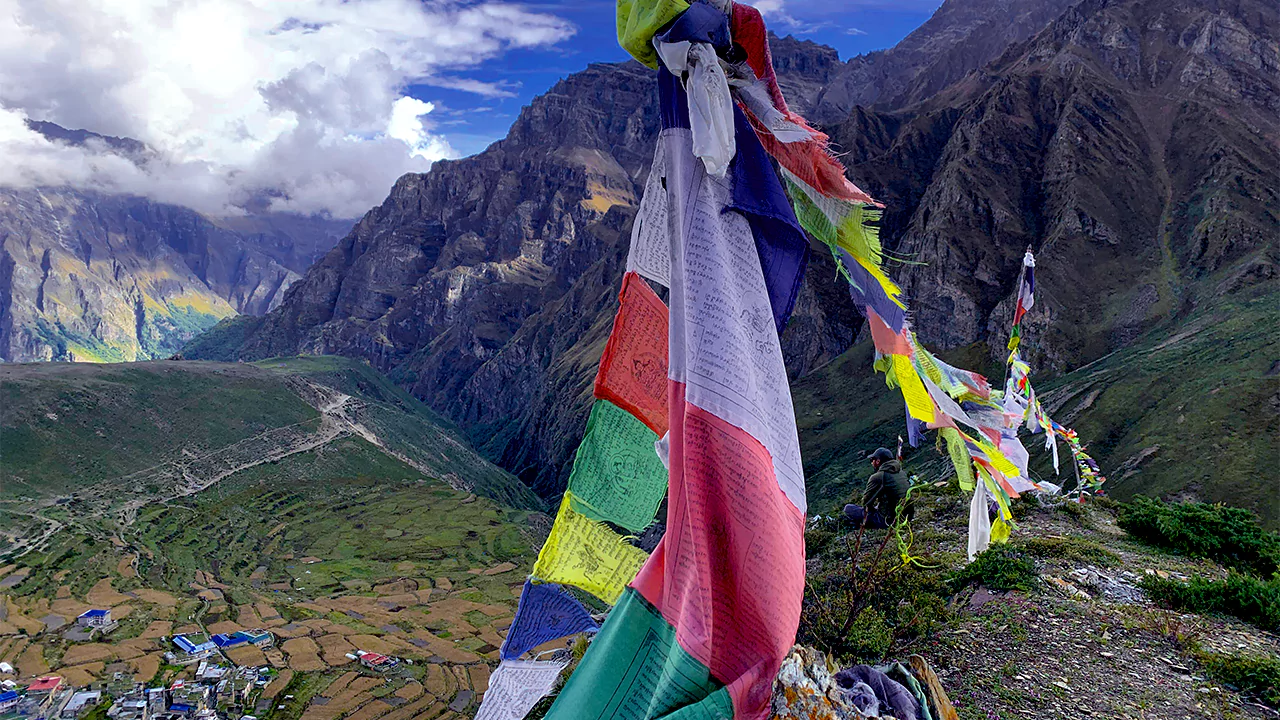
Major Elevation Points on the Nar Phu Valley Trek
- Himlung Base Camp: 4900 m
- Kang La Pass: 5320 m
- Starting Elevation: 1410 m in Jagat
- Finishing Elevation: 3652 m in Ngawal/760 m in Besisahar
Nar Phu Valley Trek Packing List
We have put together an incredible packing list for the Nar Phu Valley Trek. It is extremely thorough and in some cases might be too much, so please use your own judgement when packing. Most people overpack for their first trek, so keep that in mind while gathering items. Porters can carry a maximum of 20kg, which is 10kg per person. We have created a detailed packing list with explanations and here is a condensed PDF packing checklist.
Weather on the Nar Phu Valley Trek
If you are trekking during peak seasons, spring and autumn, you are more likely to get clear skies, little precipitation, warm days and cool nights. At low elevation you might be surprised to know that the day time can be quite hot but the days cool off as you gain elevation. At night time, it can get pretty chilly, especially with higher altitude.
If you are trekking closer to winter (which is December to mid-February), then you are likely to get clear but cold weather. If you are trekking close to monsoon season (which is mid-May to mid-September) then you can expect to get wet! Regardless of the time of year, the mornings are generally clearer in the mountains and the clouds start to roll in after midday.
Food on the Nar Phu Valley Trek
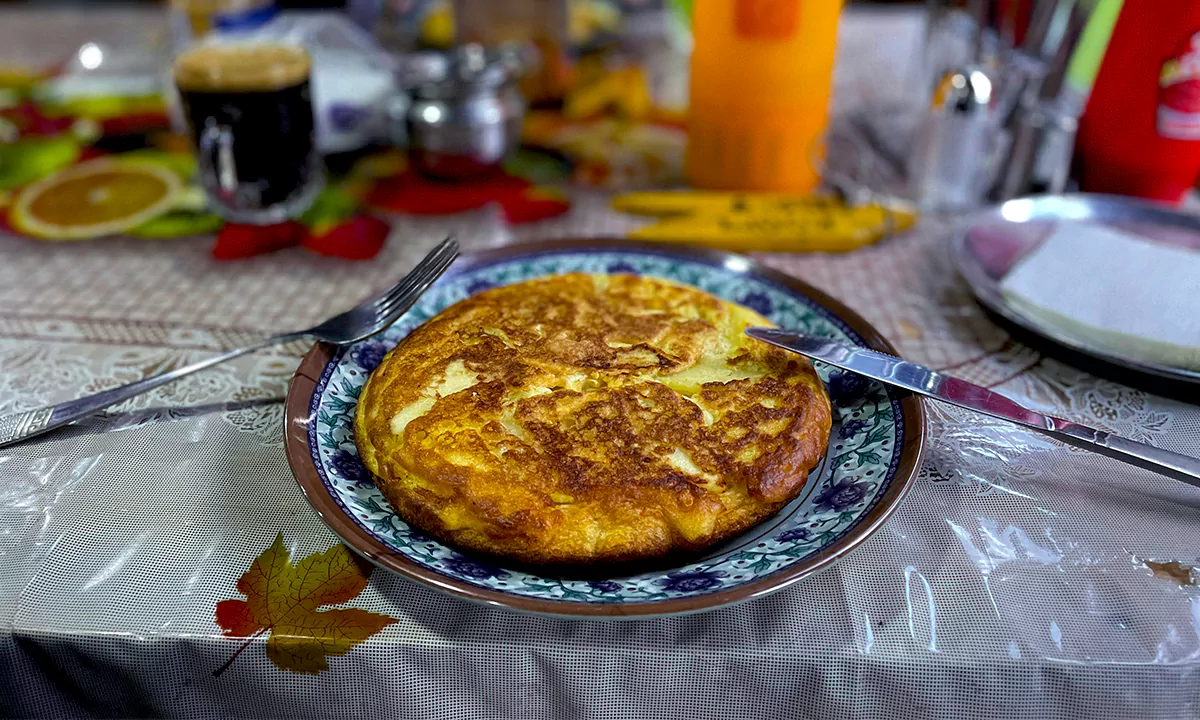
Considering that you’re trekking into a remote part of the Himalayas, the food is pretty great! Each tea house has a menu to choose from including local and international dishes. The most recommended local food to try is Nepal’s national dish, dal bhat. Dal bhat is lentil soup (dal) and a hearty portion of rice (bhat), traditionally served with curry, sautéed greens, and maybe some fresh cut vegetables, a spicy sauce or local yogurt. It’s always made fresh and has unlimited refills to help refuel after a long day of trekking.
Another delicacy to add to your must-try list are momos, which are well-loved local dumplings. You can expect to see other dishes including pasta, fried noodles and soup for lunch and dinner and more western items for breakfast such as pancakes, eggs and oatmeal. Common food requirements such as allergies, vegan, and gluten-free can be easily accommodated for, but some cross-contamination is possible.
Nar Phu Trekking Accommodation
You will be staying in tea houses which are small, simplistic lodges with a dining hall and guest rooms to stay overnight. At lower elevation along the Annapurna Circuit you will be more likely to find nicer tea houses with amenities such as hot showers, attached bathrooms and electricity in the rooms.
As you trek off-the-beaten-path into the Restricted Nar Phu Valley, be prepared for more simple amenities and shared squat toilets. The dining halls are often heated by a delightful wood stove, but there is no heating in the guest rooms so a good sleeping bag is required to keep you cozy and warm.
Read more about the do’s and don’ts of staying in tea houses here!
Required Permits to Enter Nar Phu Restricted Area
When you book with Himalayan Peace Treks, we will obtain all necessary permits on your behalf. We just need your passport once you arrive in Kathmandu. To go into the restricted region, you need a special permit, to be accompanied by a certified guide, and there needs to be a minimum of two people in your group (if you’re an individual you can contact us to join a group).
Nar Phu Valley Restricted Area (NRA) Permit
This permit is required to enter the restricted area. The permit is US$100 for the first week and then US$15 for each additional day
Annapurna Conservation Area Project (ACAP) Permit
ACAP is a national park permit for the Annapurna Conservation Area which is where you will begin and end your trek. It is NPR 3000 for foreign guests and NPR 1000 for SAARC nationals. Children below ten years do not require a permit.
Trekkers Information Management System (TIMS) Card
The TIMS card aims to ensure the safety and security of individuals during trekking in the Himalayas of Nepal. For foreigners it costs NPR 2000 and for SAARC nationals it is NPR 1o000. Children below ten years do not require this permit either.
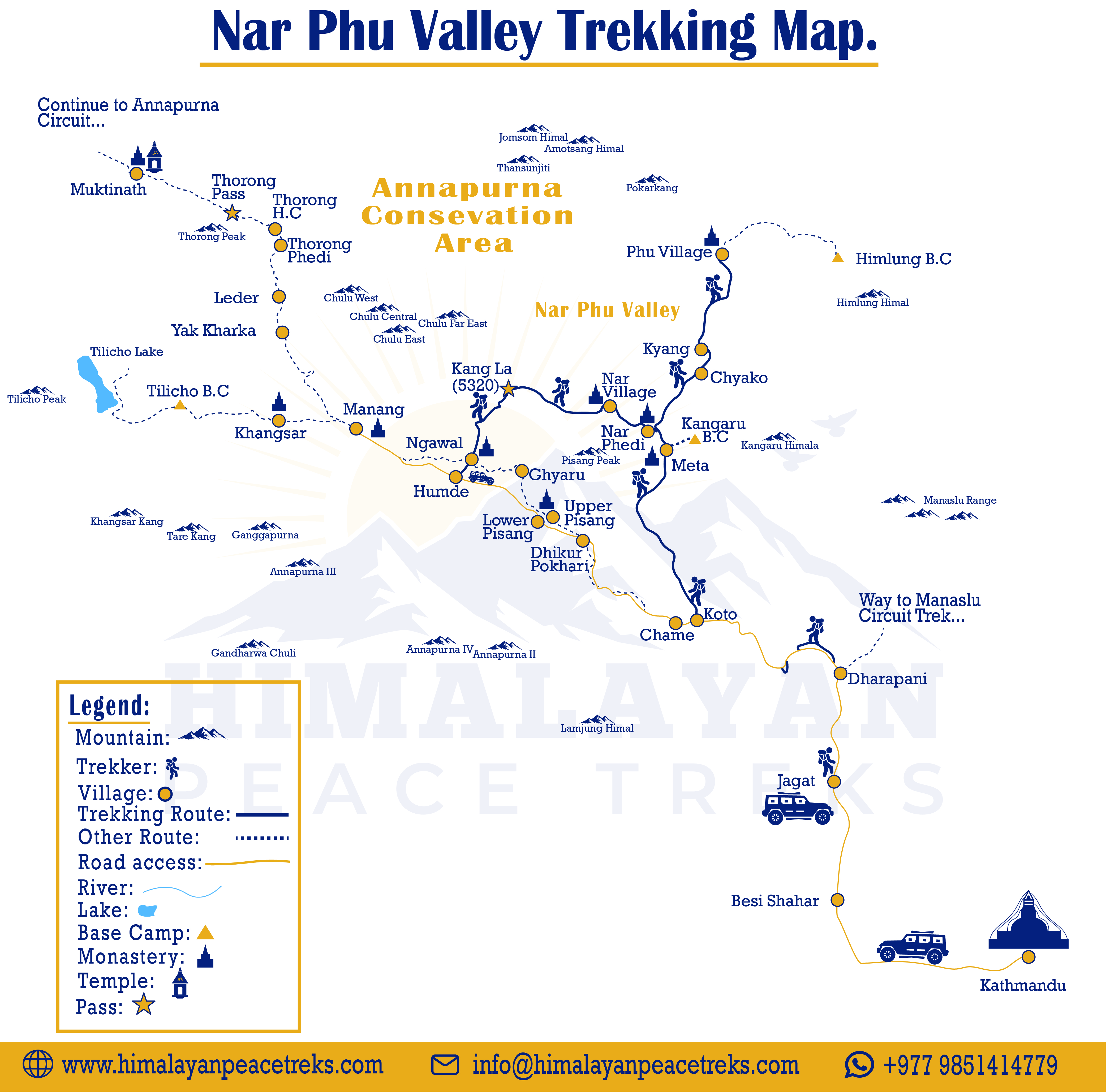
Trip Map of Nar Phu Valley Trek
Frequently Asked Questions
Trekking the Nar Phu Trek is best in the spring and autumn seasons. The spring season is typically from the mid-February to the beginning of May and the autumn season starts mid-September and continues through to mid-November. Some guests are interested in coming at quieter times, or have schedule restrictions, and choose to come at the beginning or end of a season and manage the weather conditions. Nar Phu Valley is located in a rain shadow, meaning it receives less rainfall, so it is a great option for those who are travelling closer to monsoon season (May-August).
Yes, because the Nar Phu Trek enters the Nar Phu Valley Restricted Area, you need to have a minimum of two people in your group and be accompanied by a certified guide. If you are an individual who is interested in trekking into Nar Phu, you can reach out to us and we will find a group for you to join. Guides and trekking companies organize all of the trek details for you including arranging transportation, obtaining permits, and booking tea houses. Guides also offer local knowledge about the culture and language, as well as the surrounding flora, fauna and mountains. Your guide will help you set the pace, assess risks and manage emergency situations.
A porter is not necessary, but recommended for the Nar Phu Valley Trek. If you have lots of experience trekking at high altitude and are feeling physically and mentally confident, then you will likely be just fine. Porters are recommended for anyone who is new to trekking at high altitude, is nervous about the terrain, or is seeking more enjoyment than a challenge. Hiring a porter is a lovely way to support the local economy and have another staff member present in case of emergency.
Remarkably, considering you are trekking deep into the Himalayas, there is electricity at most tea houses along the Nar Phu Trek. Very few have charging outlets in guest rooms, but you can charge your devices in the main dining hall. Some tea houses charge a small additional fee for charging. Be prepared that the electricity is unpredictable and could cut out at any time. Many trekkers choose to bring a power bank or solar charging device. Either can be useful (especially if your phone is your camera) but are not necessary.
Yes, there is wifi accessible while trekking. Although we suggest that you use the opportunity to disconnect, many tea houses have wifi so you can still let your loved ones know that you are having the time of your life. Many tea houses charge a small fee to access the wifi for your stay. Similarly to the electricity, the wifi can be extremely unpredictable and unreliable so we don’t recommend that you plan to rely on it for anything important.
You can choose to travel via local bus with a shared jeep or a private jeep for the entire journey to and from the Nar Phu Valley Trek. A standard itinerary includes a local bus and sharing jeep. Local buses can be a fun cultural experience but are often noisy, dusty and slow. If you would like to add a private jeep for a quicker, more comfortable ride, then you are welcome to do so. We would subtract the cost of the local transportation from the cost of the private jeep(s).
The total walking distance on the Nar Phu Valley Trek is approximately 115 km. This number could vary slightly depending on the day tours or side hikes that you choose to do. Each day you can expect to walk an average of 15 km.
Altitude sickness, which occurs as a result of spending time at high elevation, can happen any time you’re above 2500 m. It is a result of gaining altitude too quickly and not allowing time for the body to adjust to the reduced oxygen and air pressure changes. Symptoms can include anything from headache, loss of appetite, dizziness, vomiting and difficulty sleeping to more severe symptoms such as fluid in the lungs, irrational behaviour, breathlessness, blue skin, and an inability to walk. Surprisingly, altitude sickness can happen to anyone, even if they’re young, fit, and have been at high altitude before. It is important to do everything possible to prevent altitude sickness and not ignore symptoms if they arise.
The best way to prevent altitude sickness is to ascend slowly. This means physically walking slowly, as well as limiting how much elevation you gain in a short period of time and stretching your trek out over many days. To further help the body acclimatize to the elevation gain, it’s a good idea to hike up to a higher point than you plan to sleep. You can also include rest days, often referred to as “acclimatization days” in which you spend two nights at the same elevation, hiking up to a higher point during the day. The Nar Phu Valley trekking route suggested by Himalayan Peace Treks already has the above ways to help prevent altitude sickness factored in. If it’s your first time at elevation or you have time to spare, then we can adjust your itinerary to include more acclimatization days and an even slower ascent. Altitude sickness medication is best used as a treatment instead of a prevention. You can consult your doctor if you have any specific questions.
DO: ascend slowly, drink lots of water, monitor your symptoms, and trek with an experienced guide
DON’T: push through severe symptoms, heavily consume alcohol, caffeinated drinks, or smoke cigarettes, take sleeping pills, or ascend too quickly
Yes, a tourist visa can be obtained at immigration on arrival. Options include a 15 day visa for $30, a 30 day visa for $50, and a 90 day visa for $125. You can pay the USD equivalent in any major currency. Although credit cards are accepted, cash is recommended. If needed, you can extend your tourist visa at the Department of Immigration in Kathmandu or Immigration Office in Pokhara. The extension cost is a minimum of $45 for up to 15 days and then an additional $3 per day.
Yes, obtaining good medical travel insurance before you come to Nepal is necessary to trek safely and worry-free. Ensure that whatever insurance you get covers high altitude activities. You can send your insurance information to Himalayan Peace Treks so we can coordinate your safe return if there are any unlikely emergencies.
The restricted areas of Nepal, such as the Nar Phu Restricted Area, are located in culturally sensitive areas and where there is a Nepal-Tibet border. The extra permit requirements help to monitor access which results in less travellers entering the region. A reduced amount of traffic helps to protect the local culture and the delicate flora and fauna of the area.
To pay for your trek you can bring any major currency ($€£¥). For spending money in Kathmandu and on your trek, you’ll need local Nepali Rupees (NPR) as Nepal mostly deals in cash. You can exchange or withdraw local rupees in Kathmandu. Once you venture into the mountains there are no reliable ATMs, so any cash you might need for the entirety of the trek (for snacks, souvenirs, gear replacement, etc.) needs to have been already obtained beforehand.
To pay your initial 15% deposit, you can send a money transfer (eg. Wise) or an international bank transfer. To pay for the remainder of your trek once you have arrived in Kathmandu, you can pay by cash (in any major currency). Any fees associated with a transfer or payment are your responsibility. All prices are listed in USD.
Here you can read more about the trekking cost breakdown, our terms & conditions, and booking & paying.
Trip Reviews
 View All Reviews
 View All Reviews
US$ 967
Total Cost:
US$
Have Questions?
Talk to our expert team and plan your trip.