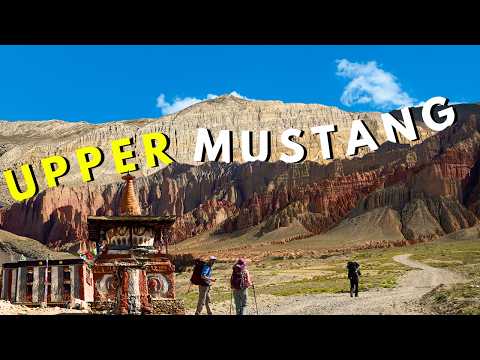
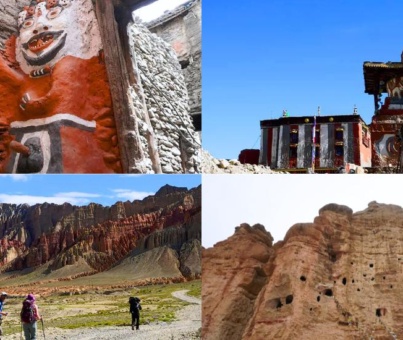
Unlike many of Nepal’s popular trekking routes, Upper Mustang offers a completely different Himalayan experience.
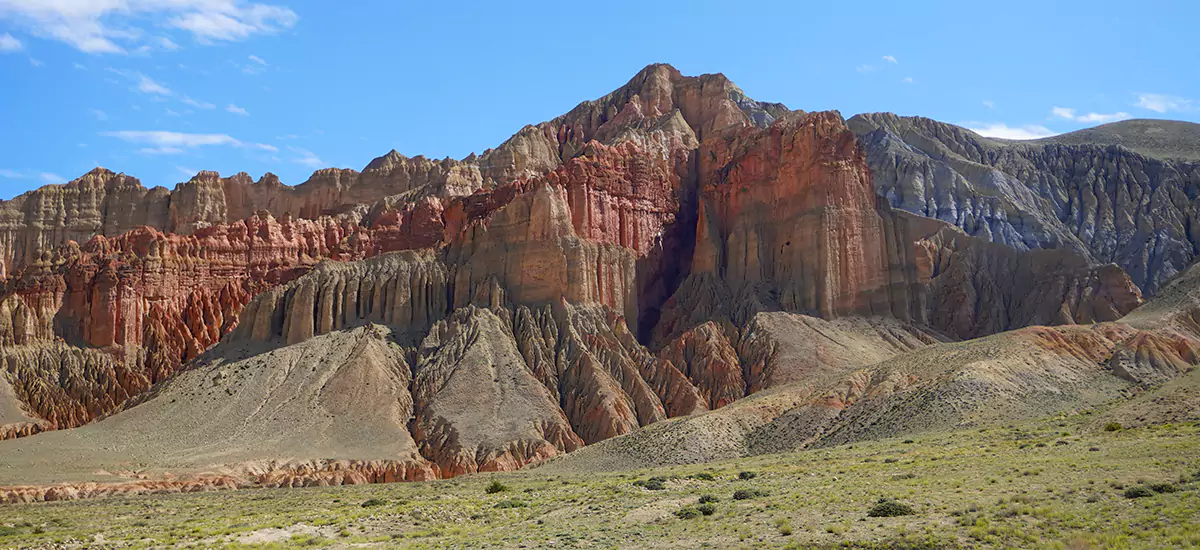
While famous trails such as the Manaslu Circuit Trek and Annapurna Circuit Trek are known for their lush forests, busy trekking routes, and close-up mountain views, Upper Mustang takes you through a striking landscape of barren valleys, colorful cliffs, and vast desert-like terrain.
Combined with its rich Tibetan Buddhist heritage, the region offers a unique blend of culture, history, and scenery that is unlike anywhere else in Nepal.
Often referred to as the “Last Forbidden Kingdom of Nepal” Upper Mustang was once an independent Himalayan kingdom known as the Kingdom of Lo. Even today, much of its ancient culture, traditions, and way of life remain remarkably well preserved.
Situated in the rain shadow of the Annapurna and Dhaulagiri ranges, the region receives very little rainfall, creating its distinctive desert landscapes in the heart of the Himalayas.
From centuries-old monasteries and traditional villages to dramatic canyons and endless views, Upper Mustang offers an unforgettable trekking experience for those seeking something beyond the ordinary.
Upper Mustang Trek Highlights
Enjoy breathtaking mountain views on the flight.
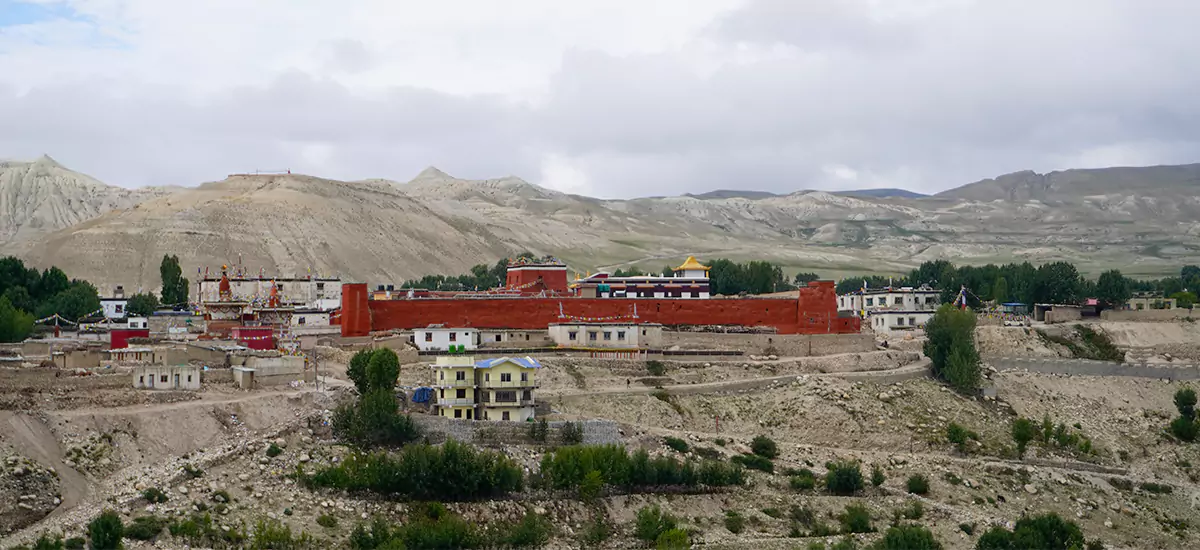
Explore the ancient walled city of Lo Manthang, once the royal capital of the Mustang Kingdom.
Witness the unique Tibetan Buddhist culture and traditions, and visit ancient monasteries.
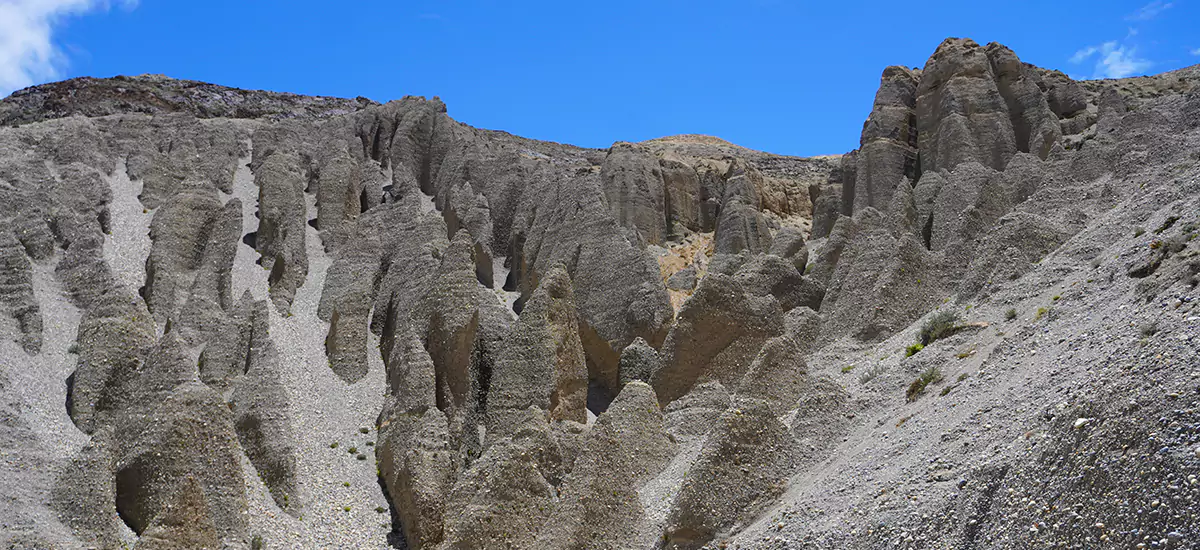
Hike along through colorful cliffs, through deep canyons, and a cave settlement.
Experience the contrast between barren desert landscapes and snow-capped peaks.
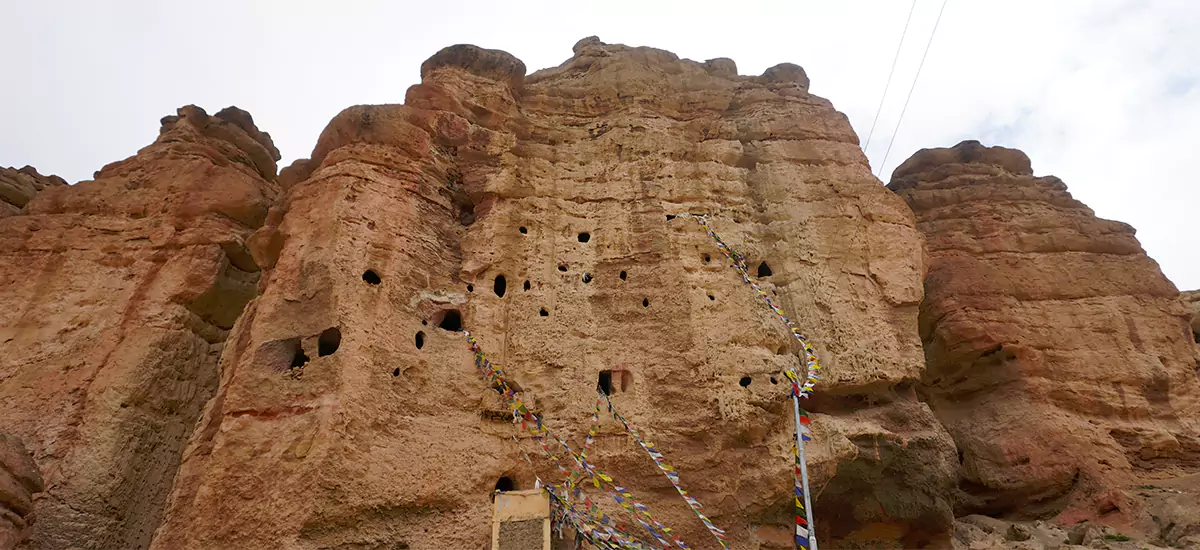
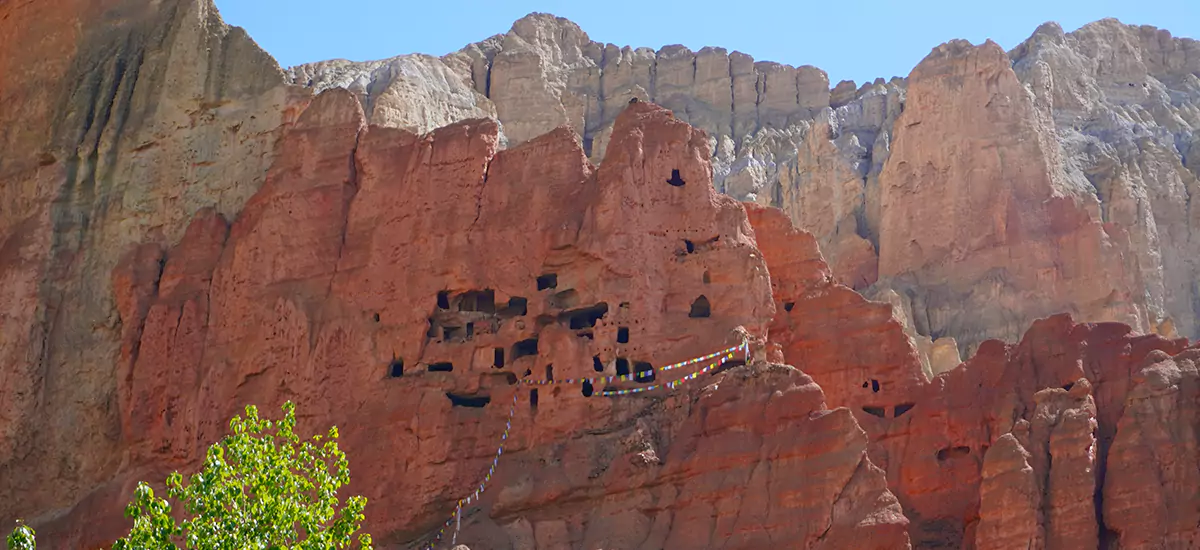
Visit Chhoser Cave, an incredible man-made cave complex carved into a cliff.
Meet the warm-hearted people of Mustang, known for their hospitality and spiritual way of life.
Discover rare Himalayan fossils.
For a more detailed look at what makes this journey so special, be sure to read our guide on Upper Mustang Trek highlights, where we explore the region’s most remarkable attractions and experiences in detail.
Upper Mustang Trek Itinerary
14-Day Detailed Itinerary (Kathmandu to Kathmandu)
We are happy to work with you to adjust this itinerary to create your own personalized experience, Please feel free to contact us.
*Times are estimated based on the average hiking pace and do not include breaks.
Day 1: Drive from Kathmandu to Pokhara (820 m) – 6 to 7 Hours
After breakfast, we begin our journey with a scenic drive from Kathmandu to Pokhara on a comfortable tourist bus.
The drive follows winding highways alongside beautiful rivers, terraced farms, green hills, and small local villages. Throughout the journey, you will experience the changing landscapes of Nepal while slowly leaving the busy city behind.
There will be several stops along the way for tea, lunch, and short breaks to relax and enjoy the scenery.
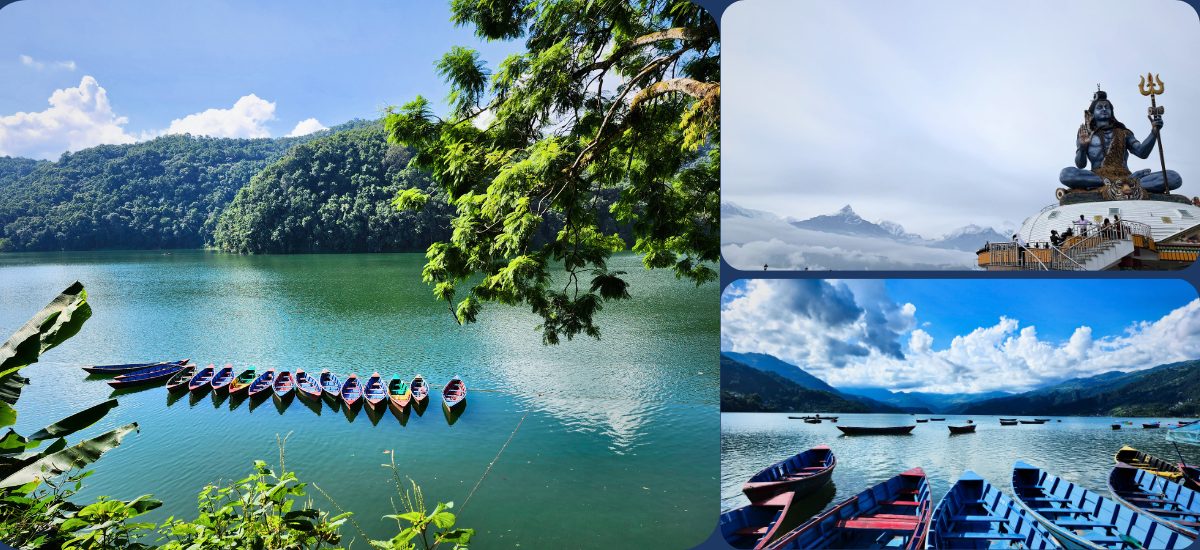
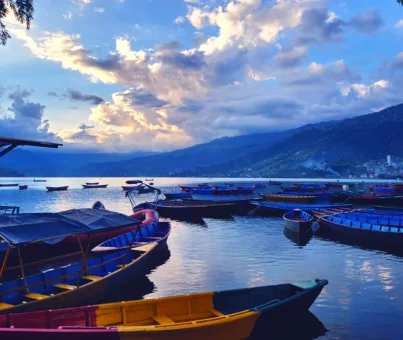
After reaching Pokhara, you can immediately feel the peaceful atmosphere of this beautiful lakeside city. Surrounded by mountains and calm lakes, Pokhara is the perfect place to unwind before entering the remote landscapes of Upper Mustang.
If the weather is clear, you may also catch beautiful views of Machhapuchhre (Fishtail), Annapurna, and other Himalayan peaks reflecting over Phewa Lake.
In the evening, you can enjoy a relaxing walk around Lakeside Pokhara, explore shops and restaurants, or simply rest before tomorrow’s flight to Jomsom.
Day 2: Fly to Jomsom (2720 m) and Trek to Kagbeni (2810 m) – 3 to 4 Hours
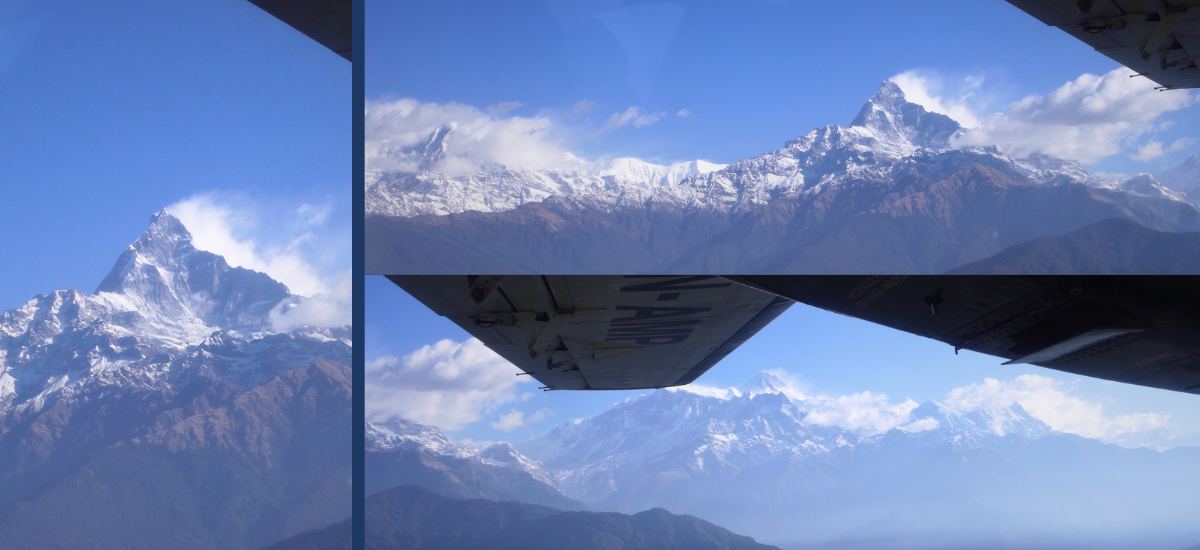
Early in the morning, we take a short but spectacular flight from Pokhara to Jomsom. This flight is considered one of the most scenic mountain flights in Nepal, offering breathtaking views of Annapurna, Dhaulagiri, Nilgiri, and the deep Kali Gandaki Gorge below.After landing in Jomsom, we begin our trek toward Kagbeni, the gateway to Upper Mustang.
Machhapuchhare and the Annapurna range as seen from the flight to Jomsom
The trail follows the Kali Gandaki River through wide, windy valleys and dry mountain landscapes. Compared to the green hills of lower Nepal, the scenery here already starts to feel more barren and dramatic.
As we walk, we pass prayer flags, chortens, and traditional villages surrounded by towering cliffs and snow-capped mountains in the distance.
After a few hours of walking, we arrive at Kagbeni, one of the most beautiful and culturally rich villages in the Mustang region. The village has narrow stone alleys, ancient mud-brick houses, old monasteries, and traditional Tibetan-style architecture that gives a glimpse into the unique culture of Upper Mustang.
Kagbeni sits at the junction of the Kali Gandaki and Jhong rivers and has long been an important trading village between Nepal and Tibet.
In the evening, we can explore the peaceful village, visit the monastery, and enjoy the calm atmosphere before officially entering Upper Mustang tomorrow.
Day 3: Trek from Kagbeni to Chele (3100 m) – 5 to 6 Hours
Today begins with a warm breakfast in Kagbeni before we officially enter the restricted region of Upper Mustang. After checking our permits, we start walking along the Kali Gandaki River, surrounded by dry hills, dramatic cliffs, and wide open landscapes. The scenery slowly changes as we move deeper into Mustang.Along the way, we pass through the small settlement of Tangbe, a beautiful village filled with whitewashed houses, narrow alleys, apple orchards, and green fields of barley and buckwheat. The contrast between the green fields and the dry desert-like landscape makes this area especially beautiful.
Continuing further, we reach Chhusang, a peaceful village located beside the river, where we stop for lunch and a short rest. After lunch, the trail continues through rocky terrain and crosses the Kali Gandaki River before gradually climbing toward Chele.
This area is also known for Himalayan fossils that can sometimes be seen along the trail. As we ascend, you’ll see caves carved into the cliffs behind us, adding even more mystery to the landscape.
Chele is a small and picturesque village perched high above the river gorge and surrounded by striking red cliffs. From here, the scenery becomes dry and more barren, while the culture feels more traditional and deeply influenced by Tibetan Buddhism. It is a beautiful place to relax and enjoy the peaceful mountain atmosphere.
Day 4: Trek from Chele to Syangboche (3800 m) – 6 to 7 Hours
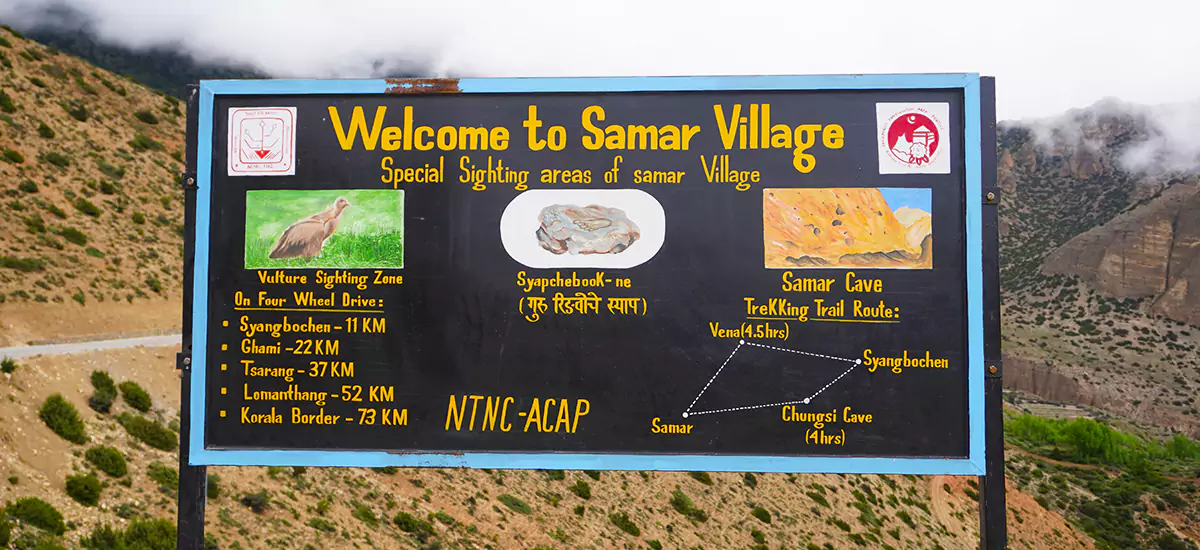
The morning in Chele feels calm, peaceful, and refreshing. Today’s trek is one of the most exciting parts of the journey, filled with dramatic landscapes, deep canyons, steep climbs, and beautiful mountain passes.We begin with a gradual ascent and continue through rugged terrain toward the village of Samar. Along the way, we cross Dajong La Pass (3660 m), where we are rewarded with beautiful views of the surrounding valleys and mountains.
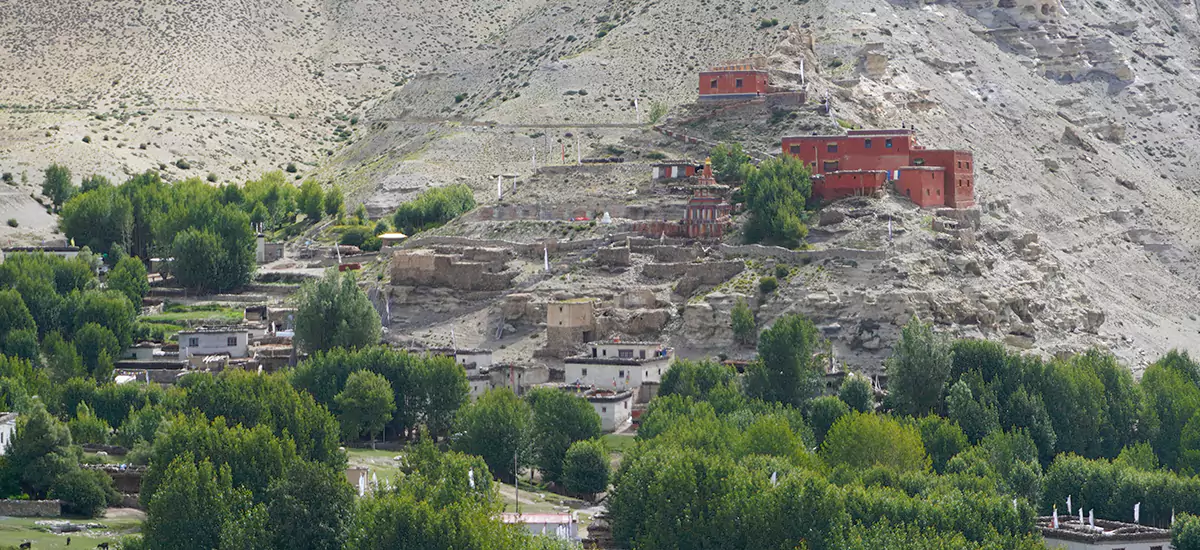
Samar is a charming village surrounded by poplar trees, making it feel like a green oasis in the middle of the dry Mustang landscape. We stop here for tea or lunch and take some time to rest.
After Samar, the trail continues through several ups and downs, crossing a suspension bridge and passing through forests of juniper trees.
On the way, we make a side trip to the famous Chungsi Cave Monastery, a sacred cave built into the cliffside. The monastery is peaceful and spiritually important to the local people, and the setting itself feels magical and hidden away from the world.
After exploring the cave, we continue our final ascent to Syangboche, a beautiful village surrounded by barren hills and mountain scenery. From here, you can enjoy distant views of Dhaulagiri and other snow-capped peaks.
The landscape today feels almost unreal, dry, colorful, and dramatic, like walking through another planet.
Day 5: Trek from Syangboche to Ghami (3520 m) – 5 to 6 Hours
Today begins with a gentle climb toward Syangboche La (3850 m). Along the trail, we pass ancient mani walls, prayer flags, and small chortens that reflect the strong Tibetan Buddhist culture of the region.As we continue higher, the air feels thin and the quiet surroundings. From here, we can see the beautiful village of Ghiling below, surrounded by green fields and traditional Tibetan-style houses.
We descend gradually to Ghiling and spend some time exploring the village and its monastery. It is a peaceful place where we can enjoy a tea break while observing the local lifestyle.
After leaving Ghiling, the trail climbs gradually again toward Nyi La Pass (4010 m), one of the highest points of today’s trek. From the top, we are rewarded with wide panoramic views of the Mustang landscape before descending toward Ghami village. In some sections, the trail follows the road as well.
Ghami is one of the largest villages in Upper Mustang, surrounded by red cliffs and beautiful agricultural fields filled with potatoes, barley, and beans. After reaching the teahouse and taking some rest, we explore around the village, visiting mani walls, chortens, and carved stones inscribed with Tibetan Buddhist mantras.
Walking through Ghami feels peaceful and timeless. Even the wind here seems to whisper ancient stories from the mountains.
Day 6: Trek from Ghami to Tsarang (3560 m) – 4 to 5 Hours
Today’s walk is short and gentle, allowing us to enjoy the peaceful atmosphere of Upper Mustang at a slow pace.We begin by descending toward the Ghami Khola, passing through beautiful village surroundings. After crossing the river, we walk beside one of the longest mani walls in Upper Mustang. The trail then gradually climbs through open landscapes with clear views of the valley and surrounding cliffs.
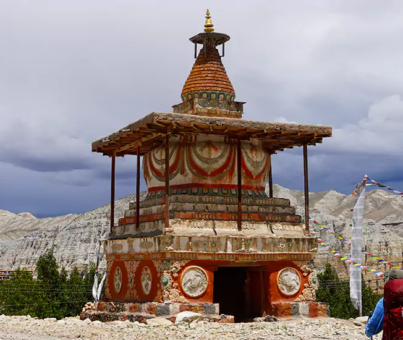
Before reaching Tsarang, we pass through a large traditional chorten gate that welcomes us into the village.
Tsarang is another major settlement in Upper Mustang and one of the most culturally rich villages in the region. Once we arrive, we explore the village, visit the ancient monastery, and discover the old royal palace that still carries the history of Mustang’s past.
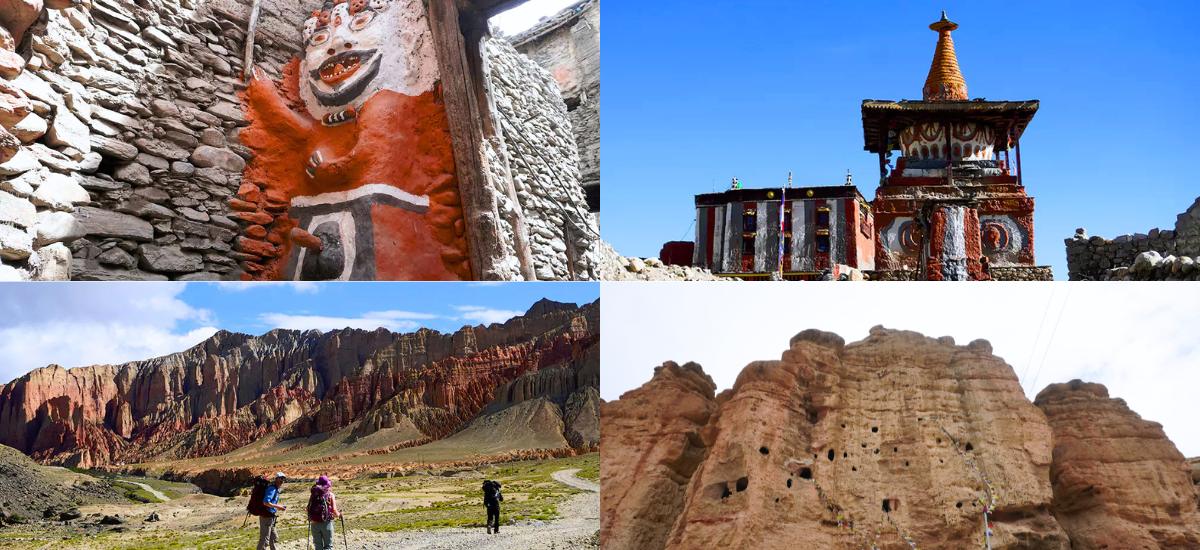
Cultural Sites of Upper Mustang
The village is filled with narrow alleys, traditional mud-brick houses, prayer flags, and peaceful local life. Every corner of Tsarang feels authentic, and every wall seems to hold stories from centuries ago.
Today’s trek is relaxing, scenic, and deeply cultural.
Day 7: Trek from Tsarang to Lo Manthang (3840 m) – 4 to 5 Hours
Today is one of the most exciting and memorable days of the trek as we finally reach the legendary walled city of Lo Manthang, the ancient kingdom of Upper Mustang.After breakfast, we begin our journey with beautiful views of the Annapurna and Nilgiri mountain ranges in the distance. The trail first descends toward the river before crossing a bridge and gradually climbing again through the dry and windy landscapes of Mustang.
Much of today’s route follows open trails and roads with wide views of the valley. As we continue higher, we eventually reach a viewpoint from where the magnificent walled city of Lo Manthang appears in the distance. Seeing the ancient town for the first time is truly a special moment.
From there, we descend slightly before making the final ascent into the city.
After arriving in Lo Manthang and enjoying lunch, we spend the afternoon exploring this ancient kingdom. We visit important monasteries such as Jampa Lhakhang, Thubchen Gompa, and Chode Gompa, each filled with ancient Buddhist paintings, statues, and centuries-old murals.
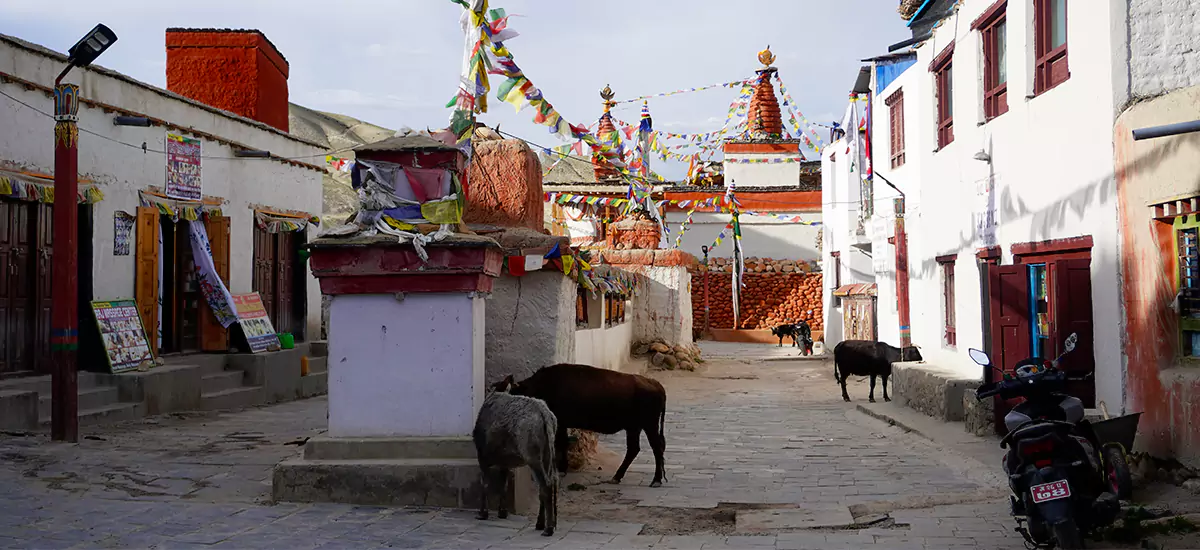
We also explore the old royal palace and walk through the narrow alleys lined with whitewashed houses, colorful prayer flags, mani walls, and traditional Tibetan-style architecture.
Lo Manthang feels untouched by modern times. The culture, traditions, and lifestyle here remain deeply connected to Tibetan heritage, making this place one of the most unique destinations in the Himalayas.
Day 8: Explore Lo Manthang and Visit Chhoser Cave (3840 m)
Today is a special exploration day in the ancient kingdom of Lo Manthang and the nearby villages. We explore the day, discovering the hidden history, culture, and mysterious landscapes of the region. After breakfast, we begin our hike toward Chhoser, a traditional village located north of Lo Manthang. The walk itself is beautiful, passing open valleys, dry cliffs, and unique Mustang landscapes.
One of today’s highlights is the famous Chhoser Cave, a remarkable five-story man-made cave carved directly into massive cliffs. These ancient caves remain one of the greatest mysteries of Upper Mustang.
Chhoser (Jhong) Cave
Local people believe they were once used for meditation, storage, shelter, and even burial purposes, but nobody knows their exact origin or true age. Standing inside the caves and looking at the surrounding cliffs feels like stepping into another world.
We also visit nearby monasteries and explore the peaceful village of Chhoser, where traditional Tibetan culture is still strongly preserved. Along the way, we can see local people working in the fields, herding animals, and continuing their traditional mountain lifestyle.
After lunch in Chhoser, we return to Lo Manthang following the same scenic route.
Back in Lo Manthang, you may continue exploring the remaining corners of the ancient town, relax at the teahouse, or simply enjoy the peaceful atmosphere of this hidden Himalayan kingdom.
Day 9: Trek from Lo Manthang to Dhakmar (3820 m) – 6 to 7 Hours
Today, we say goodbye to the ancient walled city of Lo Manthang and begin our return journey through the remote, green landscapes of Upper Mustang, crossing the highest point of the journey at Choku La pass, 4298 m.The trail leads through wide valleys, open meadows, and beautiful high-altitude pastures where yaks, sheep, and horses can often be seen grazing peacefully.
Along the way, we visit Ghar Gompa at 3920m, one of the oldest monasteries in Upper Mustang, built around the 8th century. This sacred monastery is deeply respected by local people, and many believe that wishes made here with a pure heart may come true.
The monastery itself feels peaceful and spiritual, surrounded by dramatic, colorful prayer flags fluttering in the wind.
We stop here for lunch and some time to explore the monastery before continuing toward Dhakmar.
The trail includes several gentle ascents and descents through rugged landscapes and rocky hills. As we approach Dhakmar, the scenery becomes even more dramatic, with massive red cliffs towering above the village.
Dhakmar is a quiet and beautiful settlement known for its stunning red rock formations and mysterious caves built into the cliffs. The peaceful atmosphere here makes it one of the most memorable overnight stops of the trek.
Day 10: Trek from Dhakmar to Ghiling (3570 m) – 5 to 6 Hours
Morning winds are common in Mustang, so we begin our trek early while the weather is calm and clear.Today’s trail crosses open ridges and dry mountain landscapes with beautiful panoramic views of the valleys below. The colors of Mustang constantly change throughout the day, creating shades of red, orange, brown, and grey across the cliffs and hills.
As we continue descending, the trail passes traditional villages such as Ghami, ancient Mani walls, and peaceful landscapes.
Eventually, we arrive at Ghiling, a quiet and traditional village surrounded by fields and barren hills. The village has a peaceful atmosphere and offers another opportunity to experience the authentic culture and lifestyle of Upper Mustang.
In the evening, we can relax at the teahouse, walk around the village, and enjoy the calm mountain surroundings.
Day 11: Trek from Ghiling to Chhusang (2980 m) – 5 to 6 Hours
Today, we continue descending through the dry, rugged landscapes of Mustang, following the same trails and villages, including Syangboche, Samar, and Chele.As the sunlight changes throughout the day, the hills and cliffs display different shades of red, brown, orange, and grey, creating a truly unique Himalayan landscape.
Eventually, we arrive at Chhusang, a peaceful village located beside the Kali Gandaki River. Compared to the higher regions of Mustang, Chhusang feels warmer and more fertile, with apple orchards, small streams, and cultivated fields bringing life to the valley.
The evening here is peaceful and relaxing after another beautiful day on the trail.
Day 12: Trek from Chhusang to Jomsom (2720 m) – 6 to 7 Hours
Today is our final trekking day in the Mustang region. After breakfast, we follow the trail back toward Kagbeni before continuing through the wide Kali Gandaki Valley toward Jomsom.
The route is mostly gradual and offers beautiful final views of the dry Mustang landscapes mixed with the snow-capped peaks of Nilgiri, Dhaulagiri, and the Annapurna range.
As we descend lower, the well-known, strong Mustang winds return, adding one last adventurous touch to the journey.
After reaching Jomsom, we celebrate the successful completion of our Upper Mustang adventure together with the team.
The evening is a perfect time to relax, reflect on the journey, and enjoy the final night in the mountains.
Day 13: Fly from Jomsom to Pokhara – 20-Minute Flight
Early in the morning, we take a scenic flight back to Pokhara. Leaving behind the dramatic landscapes of Mustang, the short flight once again offers breathtaking mountain views before landing in the peaceful lakeside city.
After arriving in Pokhara, you will have free time to relax and enjoy the city at your own pace.
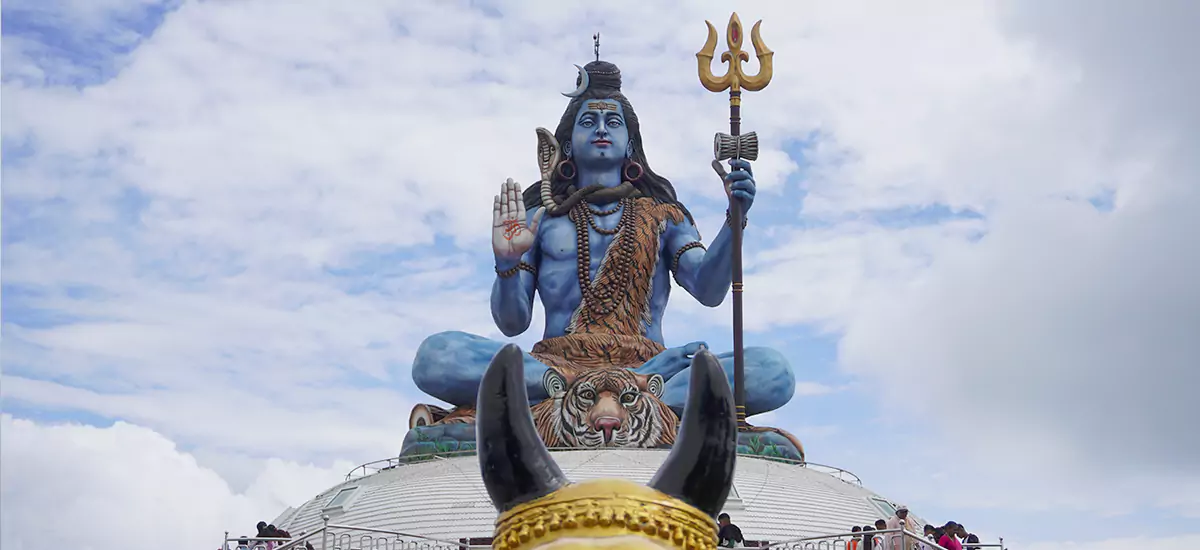
You may choose to explore some of Pokhara’s popular attractions, including Pumdikot Shiva Statue, World Peace Pagoda, Devi’s Falls, Gupteshwor Cave, Tal Barahi Temple, or enjoy boating on Phewa Lake.
Pokhara is also a wonderful place to enjoy cafes, restaurants, massage therapy, or simply relax by the lakeside after many days of trekking in the mountains.
Day 14: Drive from Pokhara to Kathmandu (1350 m) – 6 to 8 Hours
After breakfast, we begin our drive back to Kathmandu on a comfortable tourist bus. As we leave Pokhara behind, we say goodbye to the beautiful mountain views of Machhapuchhre and the Annapurna range that have accompanied us throughout the journey.
The drive follows rivers, green hills, and traditional villages, giving us one final chance to enjoy Nepal’s beautiful countryside.
After arriving in Kathmandu, you will have some time to relax or explore the city around Thamel.
This is the time to celebrate the completion of this unforgettable Upper Mustang adventure, a journey filled with culture, history, breathtaking landscapes, and lifelong memories.
With our experience in planning and operating treks throughout Nepal, we understand the details that make a journey smooth and enjoyable.
From permits and transportation to accommodation and on-the-ground support, our team takes care of every aspect of your trip, allowing you to focus on the experience and enjoy a hassle-free adventure in the Himalayas.
We Handle all the Permits
Unlike popular trekking regions such as the Everest Base Camp, Poon Hill Trek, and Langtang Trek, Upper Mustang is a restricted area and requires a special Restricted Area Permit (RAP) along with an Annapurna Conservation Area Permit (ACAP).
At Himalayan Peaks Treks, we handle the entire permit process on your behalf, ensuring all necessary paperwork is arranged smoothly so you can focus on enjoying your adventure.
We Support with Experienced Guides
As Upper Mustang is a restricted area, trekking with a licensed guide is mandatory. At Himalayan Peaks Treks, we provide experienced local guides.
The guide not only ensures a smooth and safe journey but also enriches your experience with their knowledge of the region’s culture, history, and traditions. Their support throughout the trek allows you to enjoy a hassle-free and memorable adventure.
All the Transportation and Logistics Support
At Himalayan Peaks Treks, we take care of all the transportation and logistics required for your Upper Mustang adventure.
From arranging flights to and from Jomsom to organizing 4WD jeep transportation when needed, our team ensures that every aspect of your journey runs smoothly. We handle the travel details so you can focus on enjoying your trek with peace of mind.
Your Safety Is Our Priority
Trekking in the Himalayas requires careful planning and attention to safety. At Himalayan Peaks Treks, the safety and well-being of our clients are always our top priorities.
With experienced guides, proper trip planning, and reliable on-the-ground support, we strive to ensure a safe and enjoyable journey from the beginning of your trek until your return.
We arrange Comfortable Tea House Stays
Our experienced team carefully plans your accommodation throughout the trek to ensure a comfortable and enjoyable stay. From cozy tea houses to welcoming local hospitality, we aim to make your journey as smooth as possible both on and off the trail.
To learn more about accommodation during treks in Nepal, you can read our detailed guide on Nepal Trekking Accommodations.
Responsible and Sustainable Trekking
At Himalayan Peaks Treks, we believe that every journey should benefit both travelers and local communities. We are committed to promoting sustainable trekking practices by respecting local culture, supporting local businesses, and minimizing our environmental impact wherever possible.
Trip Information
Where is Upper Mustang
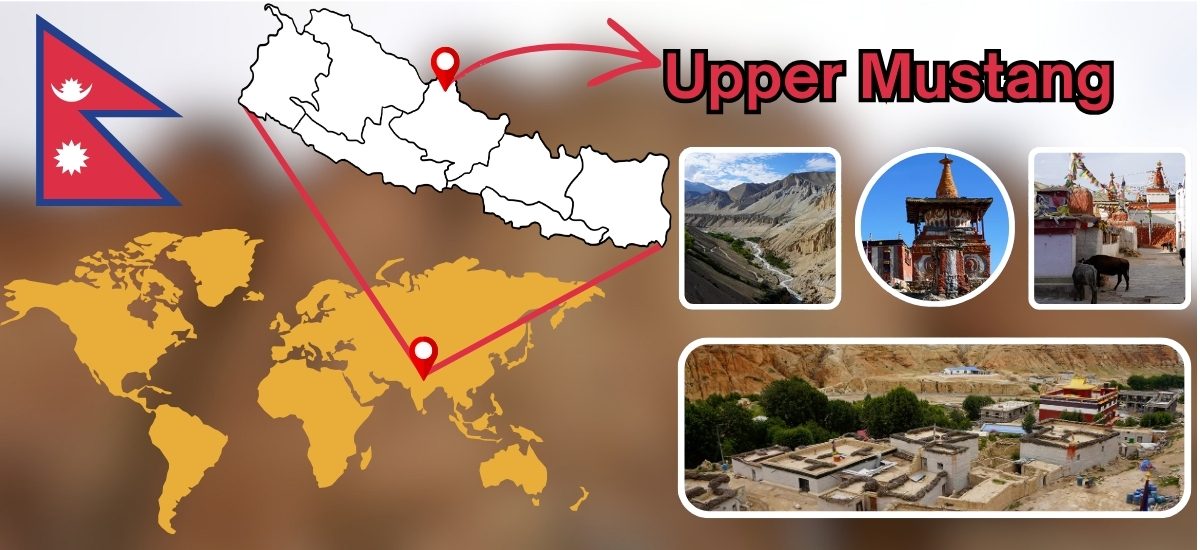
Upper Mustang lies in the northern part of Nepal, within the Mustang District, close to the border with Tibet, China. Located in the trans-Himalayan region, it sits on the northern side of the Annapurna and Dhaulagiri mountain ranges.
One of the most unique features of Upper Mustang is its location within the Himalayan rain shadow zone. The massive mountain ranges block most of the monsoon clouds, resulting in very little rainfall throughout the year.
This dry climate has shaped the region’s distinctive landscape of deep canyons, colorful cliffs, barren hills, and vast desert-like valleys, making it unlike any other trekking destination in Nepal.
Location of Upper Mustang on the world Map
Culture and Religions of Upper Mustang
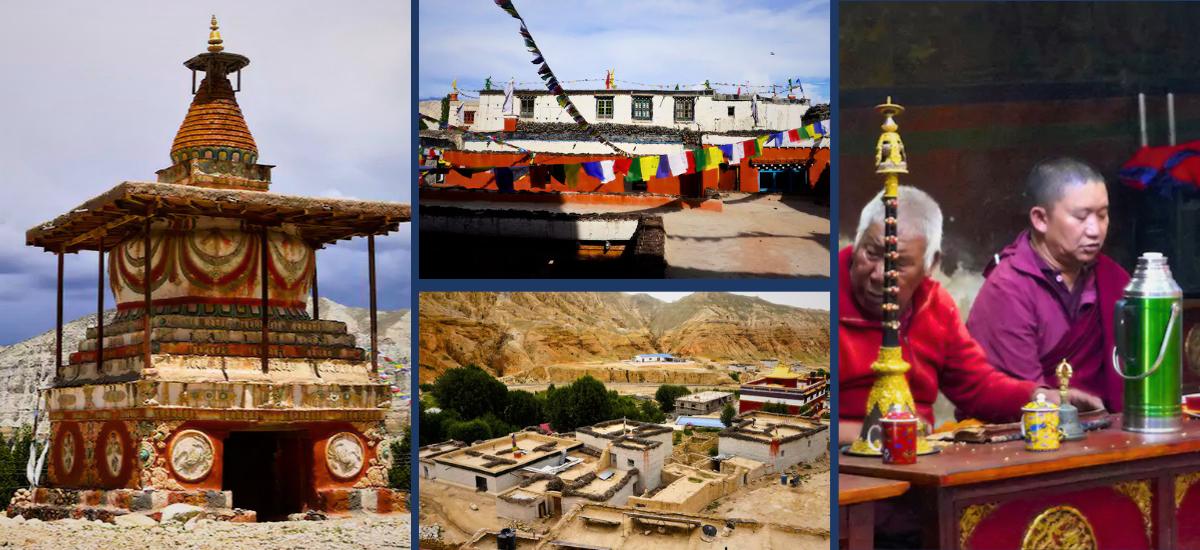
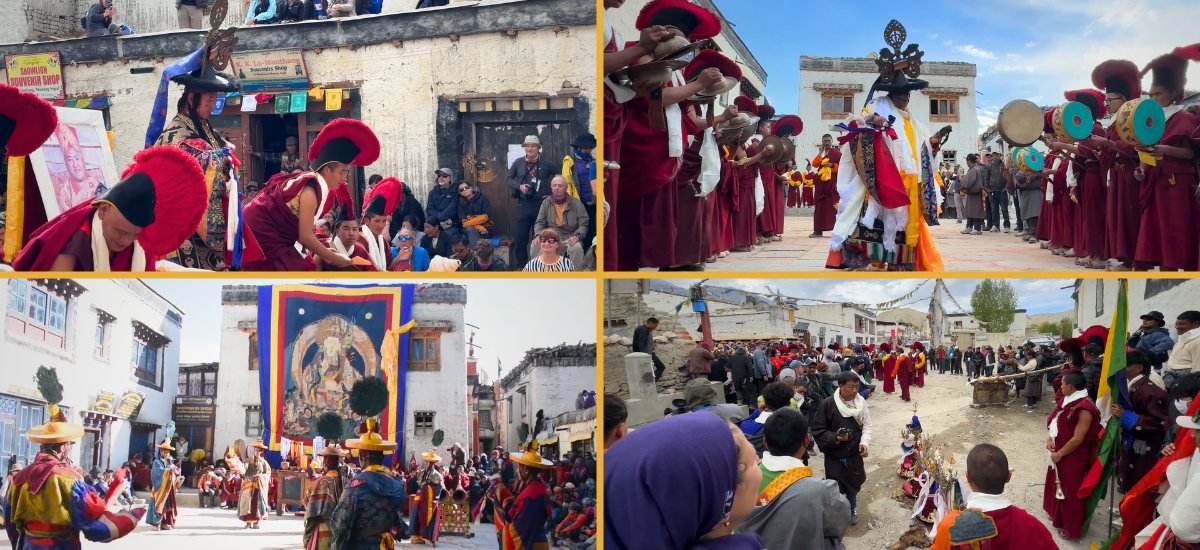
Upper Mustang is deeply influenced by Tibetan Buddhist culture, which has been preserved for centuries. The region is home to ancient monasteries, chortens, mani walls, and colorful prayer flags that reflect its rich spiritual heritage.
Tiji festival
Villages such as Lo Manthang, Tsarang, and Ghami continue to follow traditional customs and a way of life closely connected to Tibetan Buddhism. Along the trek, visitors can experience not only the region’s unique culture and religious traditions but also the warm hospitality of the local people.
Required Permits and Insurance for the Upper Mustang Trek
Under the latest 2026 regulations from the Nepal government, trekkers visiting Upper Mustang must obtain a Restricted Area Permit (RAP), which costs USD 50 per person per day.
With the 10-day standard itinerary within the restricted area, the total cost of the Upper Mustang special permit is USD 500. In addition, trekkers also need an Annapurna Conservation Area Permit (ACAP), which costs NPR 3,000 per person.
Trekkers also need travel insurance that covers high-altitude trekking and emergencies, as sudden altitude sickness and health issues in remote mountain regions may require immediate rescue support.
Best Time to Visit Upper Mustang
The Upper Mustang Trek can be enjoyed for much of the year, but spring and autumn are generally considered the best seasons due to their stable weather, pleasant temperatures, and clear mountain views.
These seasons offer the ideal balance of scenery, culture, and trekking conditions, making them the most popular times to visit the region.
Unlike many trekking destinations in Nepal, Upper Mustang can also be explored during the monsoon season because it lies in the Himalayan rain shadow region and receives very little rainfall.
If you are interested in trekking during summer, be sure to read our guide on Upper Mustang in the monsoon to learn about the unique experiences and advantages of visiting during this season.
Food and Accommodation in the Upper Mustang Trek
Food and accommodation in Upper Mustang are simple, comfortable, and designed to support trekkers throughout the journey.
Tea houses along the route offer a variety of meals, including traditional Nepali and Tibetan dishes such as Dal Bhat, thukpa, momo, noodles, and Tibetan bread. Accommodation is typically in family-run tea houses with clean twin-sharing rooms, warm blankets, and shared facilities.
While services such as internet, hot showers, and charging may be limited or available for an additional cost in some villages, the warm hospitality and authentic local experience make every stay memorable.
Rain Shadow Phenomenon of Upper Mustang Region
Monsoon season in Nepal usually begins in June, when moisture-filled winds from the Bay of Bengal bring heavy rainfall across most parts of the country.
However, Upper Mustang remains mostly dry because of a natural process called the rain shadow phenomenon. The massive Annapurna and Dhaulagiri mountain ranges block monsoon clouds, causing most rainfall to occur on the southern side of the Himalayas, in places like Pokhara and surrounding regions.
As a result, the northern side of these mountain ranges, including Upper Mustang, receives very little rainfall even during the peak monsoon season. The average annual precipitation in Upper Mustang is around 250 mm, making it one of the driest regions in Nepal.
Weather and Temperature in the Upper Mustang
Upper Mustang lies in the Trans-Himalayan region, so its weather is quite different from most parts of Nepal. It’s dry and windy for much of the year.
Here’s a general idea of what to expect:
Spring (March–May): Daytime 10–20°C, nights around 0–5°C. Perfect for trekking in mild weather.
Summer/Monsoon (June–August): 13–22°C in the day, 5–10°C at night. Dry skies due to the rain shadow effect.
Autumn (September–November): 10–18°C in the day, -5–5°C at night. Clear skies and stable weather.
Winter (December–February): Cold and harsh. Daytime temperatures are 0–10°C; night temperatures can drop below -10°C.
The region is windy, especially in the afternoons, so starting early each day is best. Sun protection is a must; the air is dry, and the UV rays are intense at the altitude.
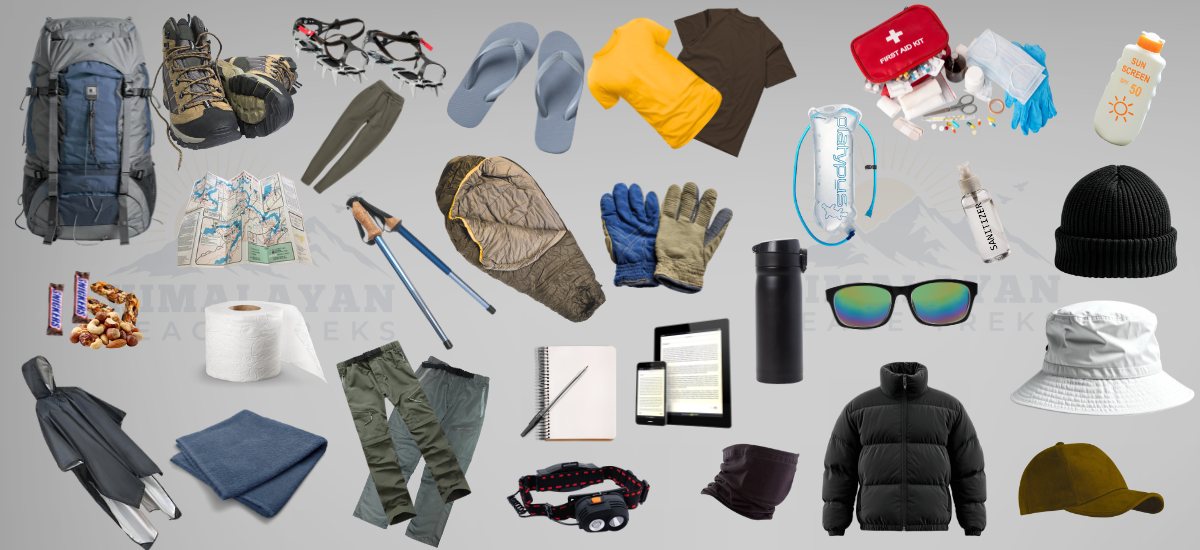
Upper Mustang Trek Packing List
Having the right gear can make your trekking experience more comfortable and enjoyable. While you don’t want to overpack, it is equally important not to miss essential items needed for the trek.
For detailed information on what to bring, check out our complete Nepal Trekking Packing List, which covers all the essential gear and equipment recommended for trekking in Nepal.
Clothing – Upper Body
Head
Sun hat/ball cap 1
Warm hat 1
Buff/neck tube/scarf 1-2
Headlamp with batteries/charger 1
Sunglasses 1
Hands
Inner gloves 1
Outer gloves 1
Base Layer
Moisture-wicking shirts 2-4
Warm shirts 1-2
Sports bras 2-3
Mid Layer
Fleece zip-up/pullover 1-2
Outer Layer
Down jacket (can rent) 1
Waterproof/windproof jacket 1
Clothing – Lower Body
Base Layer
Underwear 6-9
Warm long underwear 1-2
Mid Layer: Maximum 3-5 pairs in total
Hiking shorts 1-2
Leggings 1-3
Hiking pants 1-3
Optional: Lined pants 1
Outer Layer
Cozy pants 1
Optional: Waterproof/windproof hiking pants 1
Feet
Thin hiking socks 3-5
Thick hiking socks 1-2
Cozy socks 1-2
Hiking boots 1
Tea house shoes 1
Shower shoes 1
Microspikes (crampons) 1
Gaiters 1
Travel Documents and Money
Passport
Passport sized photos
$¥€ Cash for a tourist visa upon arrival
$¥€ Cash to pay for your trek/tour
(NPR) Nepali rupees for spending money on the trek (get in Kathmandu)
Personal IDs and money cards
Insurance plan (send info to tour company)
Trekking Equipment
Large bag for porter (can borrow)
Day pack
Optional: Waist bag
Sleeping bag (can rent)
Trekking poles
Water bottle or bladder
Water purification system
Phone with cords
Camera with cords
Personal Items
Toiletries
Toothbrush
Toothpaste
Shampoo
Soap (can double as laundry soap)
Toilet paper
Moisturizer
Sunscreen
Lip balm
Menstrual items
Wet wipes
Hand sanitizer
Quick dry towel
Medications (at your discretion)
Personal prescribed medication
Precautionary medications
Medicated cream
Precautionary antibiotics
Vitamins
Altitude sickness medication
Electrolytes
Extra Items
Power bank
Travel adapter
Cards/small games
Book/e-reader
Journal
Plastic bags
Bathing suit
Nail clippers
Snacks
Earplugs & eye mask
Blister kit
Headphones
Pocket knife/multitool
Sewing kit
Safety pins/carabiners
Upper Mustang Trek Videos
Want to see what the journey looks like before you go? Visit our YouTube channel, Himalayan Peace Treks, where we share videos from Upper Mustang and many other popular trekking destinations across Nepal.
Our videos showcase the landscapes, villages, culture, and real trekking experiences, helping you get a closer look at what awaits you on the trail.
FAQs About the Upper Mustang Trek
1. How difficult is the Upper Mustang Trek?
It is Moderate. The trek doesn’t reach extreme altitudes like Everest or Manaslu, but the terrain is dry and windy. You’ll walk 5–7 hours a day on rocky trails. A basic fitness level and some trekking experience are necessary for a smooth completion.
2. Is the Upper Mustang Trek suitable for beginners?
Yes. The standard 14-day Upper Mustang Trek is generally considered suitable for beginners with a reasonable level of fitness.Compared to more demanding treks such as Everest Base Camp or the Manaslu Circuit, the route involves fewer steep ascents and is technically less challenging. However, trekkers should still be prepared for multiple days of walking at altitude.
For those seeking a greater challenge, the trek can be extended with high-pass routes, which increase the overall difficulty. All the difference.
3. Do I need to carry my own backpack?
No. If you hire a porter, they will carry your main luggage (up to 10-12 kg). You just have a small daypack with water, snacks, and essentials.
4. Are there ATMs in Upper Mustang?
No. The last ATMs are in Pokhara or Jomsom. It would be helpful to bring enough Nepali rupees in cash for personal expenses before leaving Pokhara.
5. Can I charge my phone and camera?
Yes, in most villages, but power is sometimes limited and often solar. We recommend bringing a power bank or solar charger just in case.
6. Is Wi-Fi available?
Yes, WiFi is available on the Upper Mustang Trek for a small fee, but it can be slow and unreliable at times.
7. How high do we go on this trek?
The highest point is around 4,298 meters, at Choku La Pass, after leaving Lo Manthang.
8. What’s special about Lo Manthang?
It’s a historic walled city that once served as the capital of the Mustang Kingdom. You’ll find monasteries over 500 years old, the royal palace, and the incredible Chhoser Caves nearby.
9. Is it possible to visit during the Tiji Festival?
Yes, absolutely. The Tiji Festival (usually in mid-May) is one of the best times to visit. Witnessing the masked dances, music, and rituals is a once-in-a-lifetime experience.
10. What makes Upper Mustang different from other treks?
Its landscape and culture. Unlike green trekking routes, Mustang is dry, dramatic, and deeply spiritual; it is more about culture and history than just altitude.
11. Do I need a sleeping bag?
Yes. Teahouses provide blankets, but a warm sleeping bag (rated to -10°C) ensures comfort on cold nights.
12. What’s the one thing trekkers often say after finishing the trek?
Most of the trekkers say, “It feels like another world.” The peace, the people, and the raw beauty stay with you long after you leave Mustang.
13. Can I visit Upper Mustang during the monsoon season?
Yes. Unlike most trekking regions in Nepal, Upper Mustang is one of the few destinations that can be comfortably visited during the monsoon season. Located in the Himalayan rain shadow zone, the region receives very little rainfall, even as much of Nepal experiences heavy monsoon rains.



 Overview