Email us
[email protected]


Email us
[email protected]

Trip booking for 2026 and 2027 is open; you can book any trip from our website.

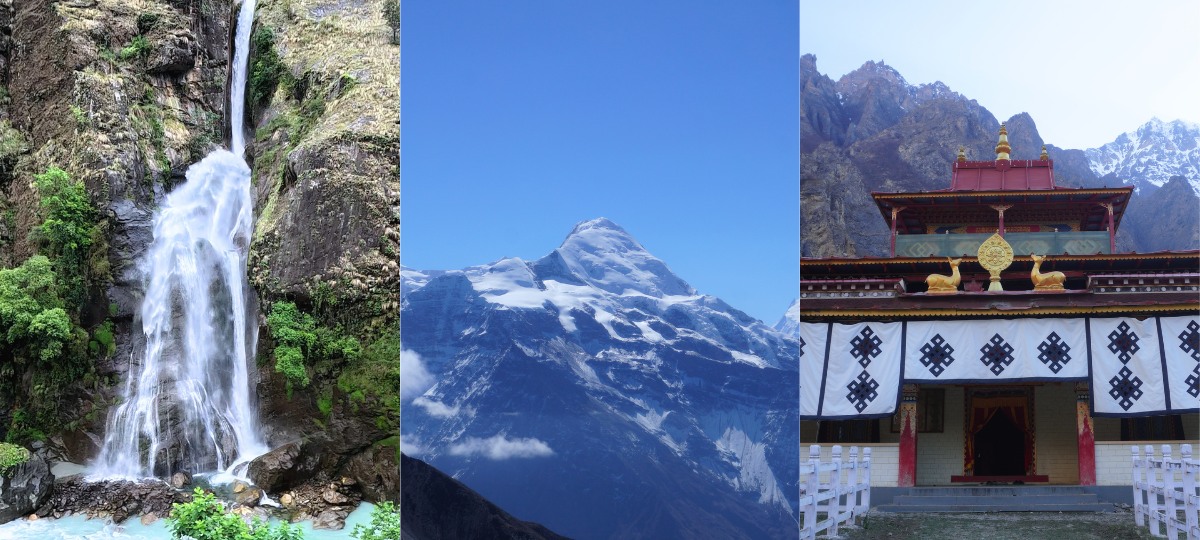 The Nar Phu Valley Trek is an underrated Himalayan adventure that takes you through the ancient valleys of Nar and Phu before ending on a high note with the challenging crossing of Kang La Pass (5,320 m).
Along the way, you’ll experience centuries-old Tibetan culture, remote mountain villages, and dramatic landscapes that few trekkers get to explore.
I consider this trek one of Nepal’s most underrated because it remains far less crowded than popular routes such as the Everest Base Camp Trek and the Annapurna Circuit Trek.
The journey takes you from lush forests and narrow river gorges to barren alpine terrain and the timeless villages of Nar and Phu, offering a remarkable contrast in scenery and culture that makes every day on the trail feel different.
One of the biggest reasons the Nar Phu Valley Trek feels so unique is its remoteness. The region remained closed to foreign trekkers until 2003, helping preserve its traditional way of life and natural surroundings.
Even today, Nar and Phu remain largely untouched by modern development, allowing visitors to experience authentic mountain villages, ancient traditions, and an unspoiled Himalayan landscape that has changed very little over the years.
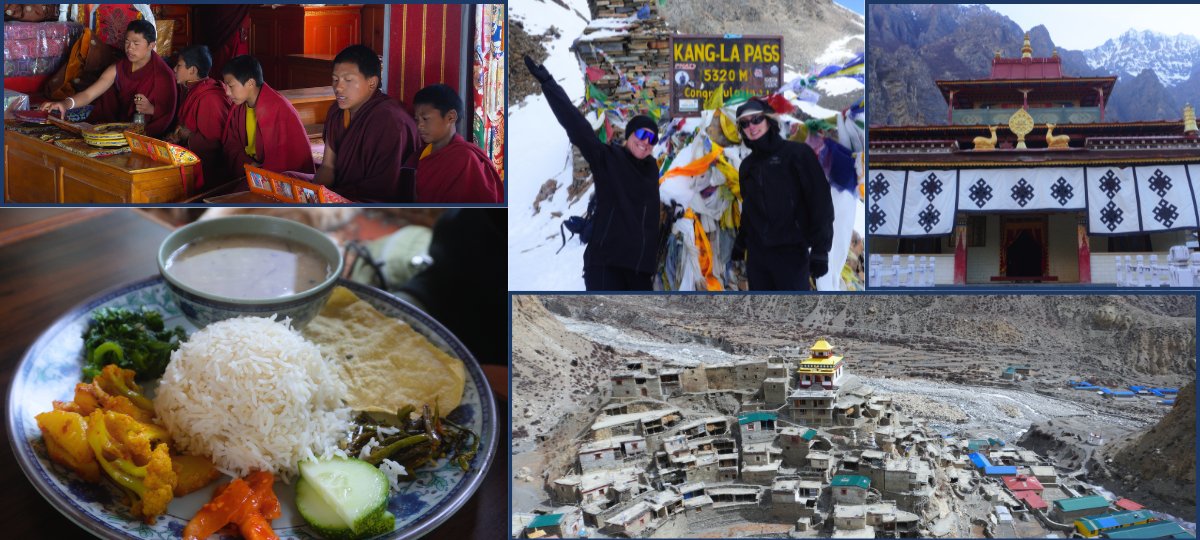
Walking through the villages of Nar and Phu feels like stepping back in time. These centuries-old settlements have preserved their traditional Tibetan Buddhist culture, architecture, and way of life, offering a rare glimpse into the Himalayan past.
Far from modern development, the villages retain their authentic character, making every visit a truly memorable cultural experience.
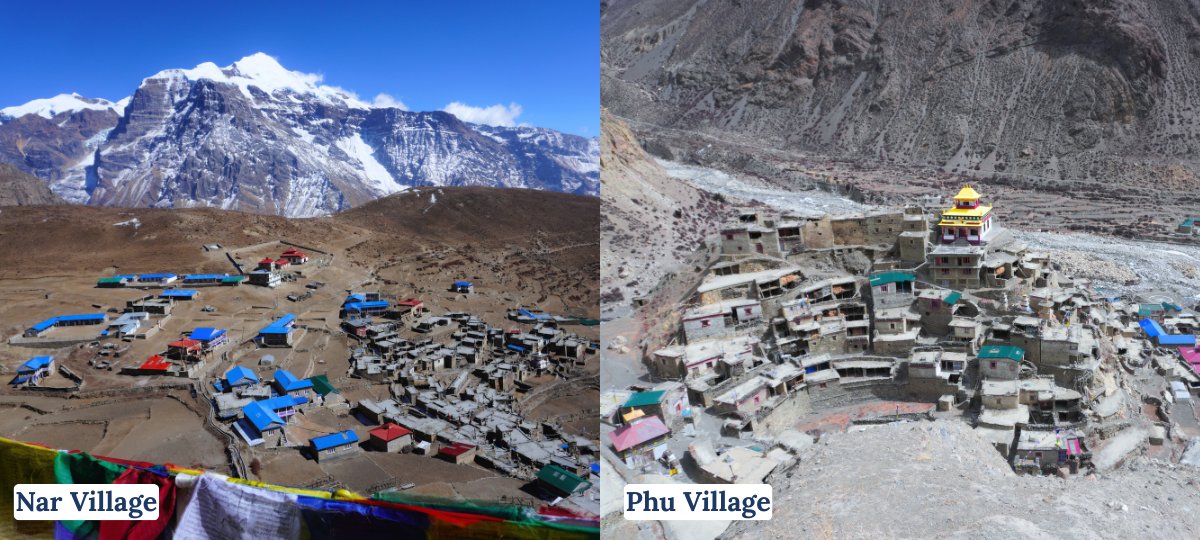
Unlike popular trekking routes that welcome thousands of trekkers each year, the Nar Phu Valley Trek remains quiet and uncrowded.
Its remote location offers a more peaceful trekking experience, allowing you to enjoy the natural beauty, traditional villages, and mountain landscapes without the busy trails found on many of Nepal’s more famous treks.
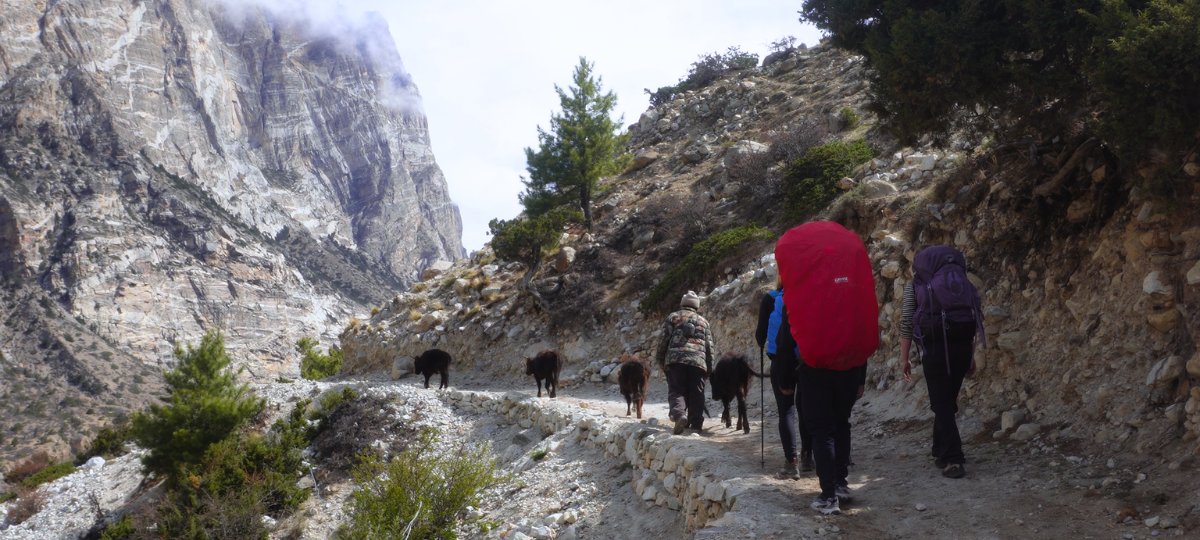
The villages of Nar and Phu have been deeply influenced by Tibetan Buddhism for centuries. Ancient monasteries remain at the heart of community life, preserving the region’s religious traditions, architecture, and cultural heritage.
Many local festivals, ceremonies, and daily spiritual practices revolve around these monasteries, offering trekkers a chance to experience a way of life that has remained largely unchanged for generations.
One of the most memorable experiences of the Nar Phu Valley Trek is the overnight stay at Nar Phedi (Shatya) Monastery before reaching Nar Village. Instead of a typical tea house, you’ll spend the night within the monastery, sharing a simple meal and accommodation in a peaceful spiritual setting.
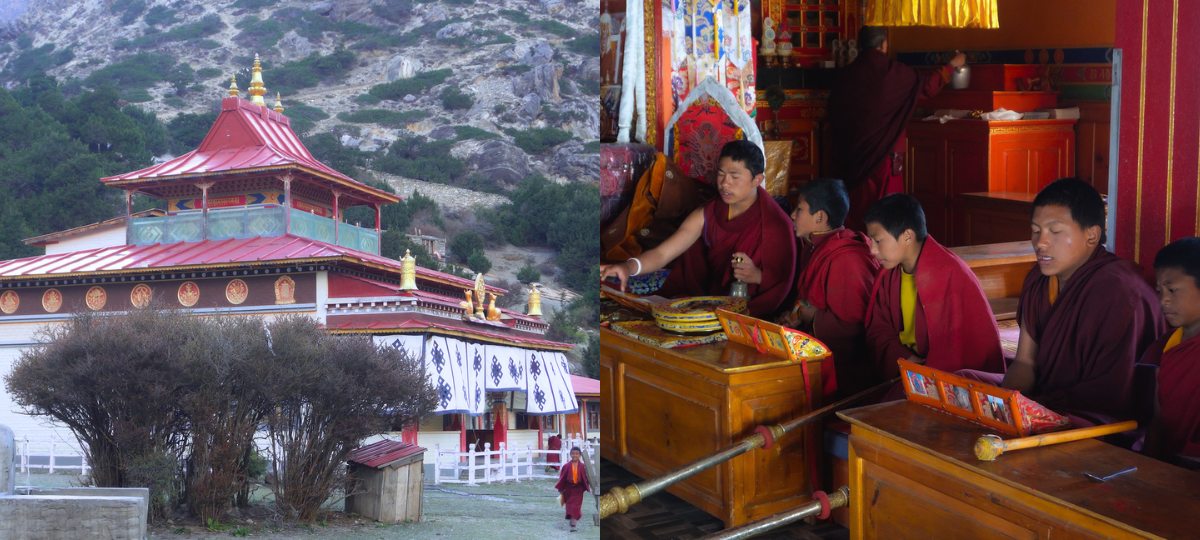
It offers a rare opportunity to experience monastic life up close and enjoy a quiet evening surrounded by the region’s rich Buddhist traditions.
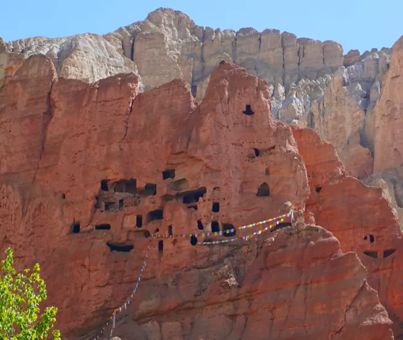
The Nar Phu Valley lies in the Trans-Himalayan region, where the high mountain ranges block most of the monsoon rainfall like in the Upper Mustang Region. As a result, the region receives very little rain throughout the year, creating a unique landscape of rocky cliffs, barren hills, and wide-open valleys.
This rare Himalayan desert scenery offers a striking contrast to the lush forests found on many other trekking routes in Nepal.
Crossing Kang La Pass (5,320 m) is one of the most exciting highlights of the Nar Phu Valley Trek. The day begins early, with a packed breakfast or lunch, as you set out for one of the trek’s most challenging sections.
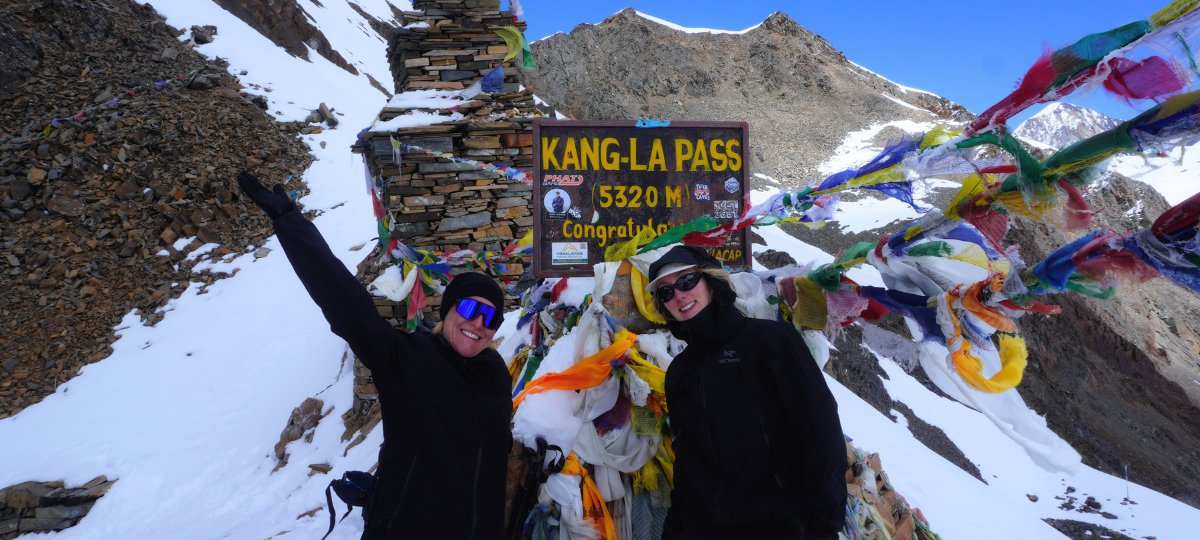
The long, steep climb through high-altitude switchbacks tests your endurance, while the equally steep descent demands careful footing.
Reaching the top of the pass rewards you with spectacular Himalayan views and a true sense of achievement, making it an unforgettable part of the journey.
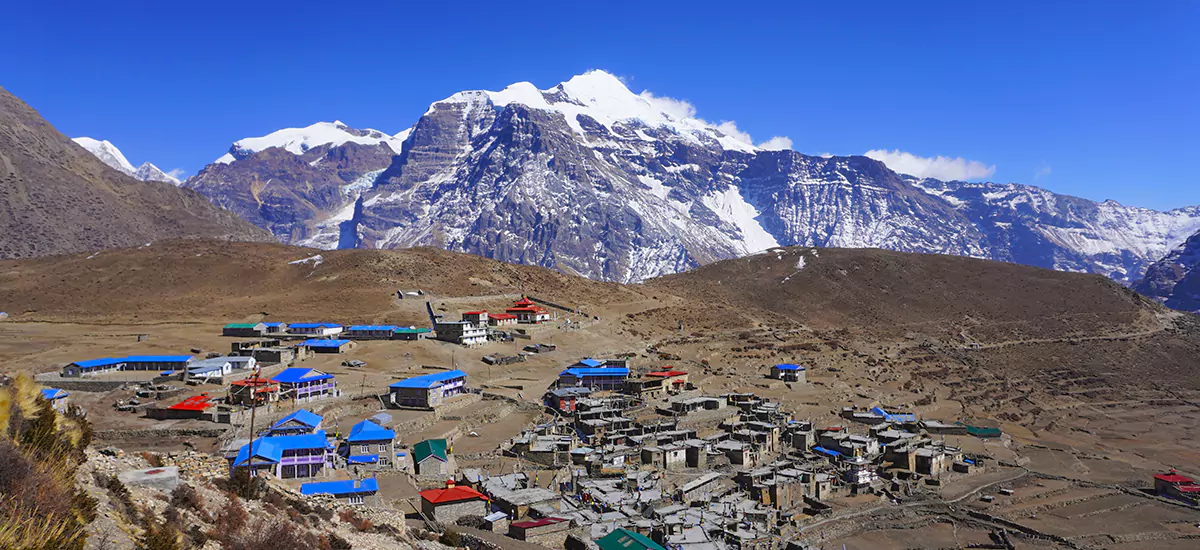
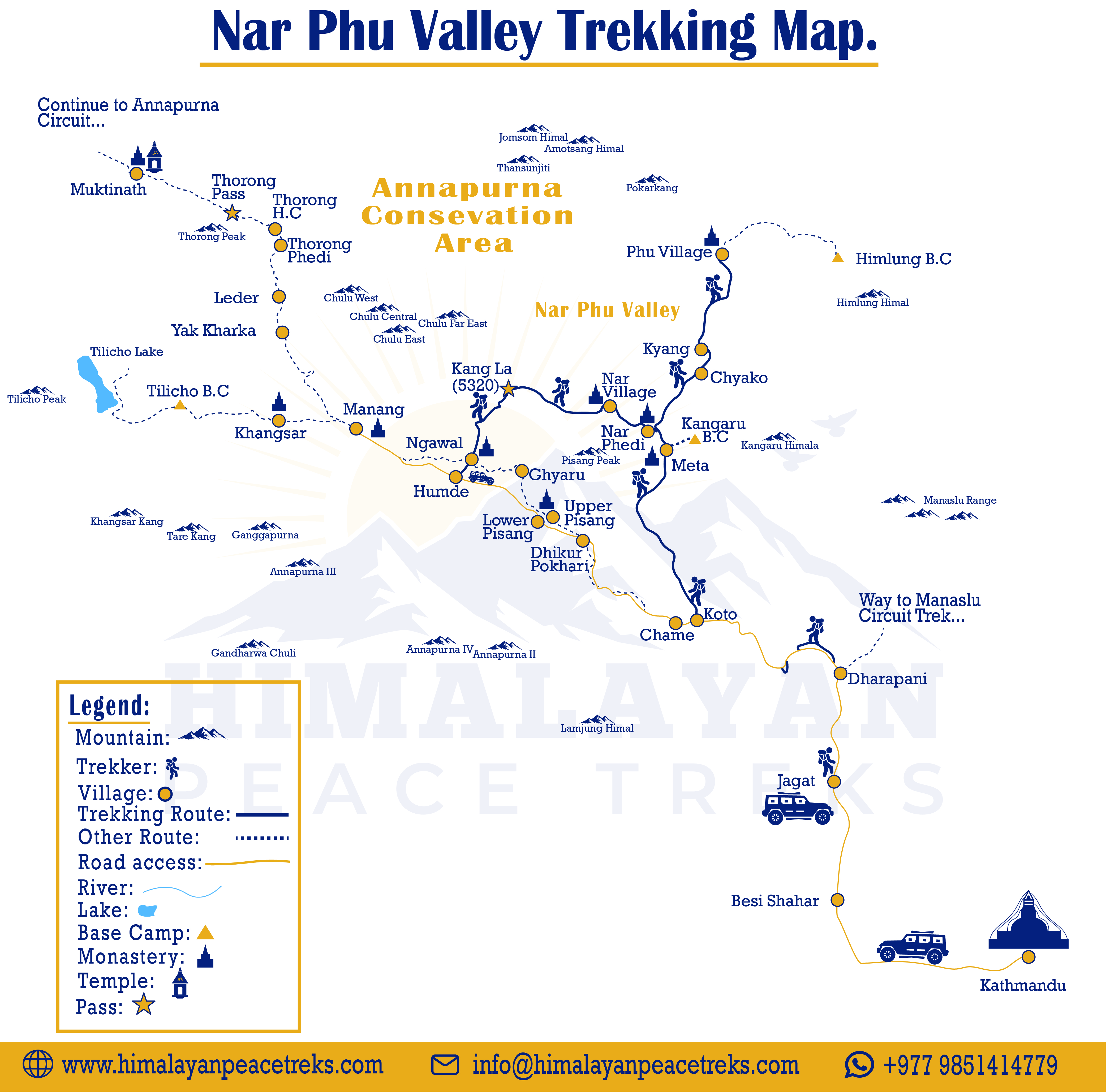
At Himalayan Peace Treks, we offer a standard 11-day Nar Phu Valley Trek that begins with a drive from Kathmandu to Besisahar by public bus, followed by a shared jeep to Jagat. From Jagat, the trek starts through beautiful villages including Dharapani, Koto, and Meta before reaching the remote village of Phu.
An acclimatization day in Phu allows you to explore the spectacular Himlung Base Camp(4,900 m) before retracing the trail to Nar Phedi Monastery and continuing to Nar Village.
The journey then crosses the challenging Kang La Pass (5,320 m), joins the famous Annapurna Circuit at Ngawal, and concludes with a drive back to Kathmandu.
| Day | Route | Distance (km) | Altitude (m) | Time (hr) |
| 00 | Arrival in Kathmandu | – | 1,350 m | – |
| 0 | Final Day in Kathmandu | – | 1,350 m | – |
| 1 | Drive from Kathmandu to Jagat | 208 km | 1,410 m | 8-9 hr |
| 2 | Trek from Jagat to Dharapani | 16 km | 1,960 m | 6-7 hr |
| 3 | Trek from Dharapani to Koto | 13 km | 2,610 m | 5-6 hr |
| 4 | Trek from Koto to Meta | 15 km | 3,569 m | 7-8 hr |
| 5 | Trek from Meta to Phu | 16 km | 4,050 m | 7-8 hr |
| 6 | Acclimatization Day in Phu. Rest Day or Hike to Himlung Base Camp | 15 km | 4,900 m | 5-6 hr |
| 7 | Trek from Phu to Nar Phedi | 15 km | 3,750 m | 6-7 hr |
| 8 | Trek from Nar Phedi to Nar village | 5 km | 4,110 m | 3 hr |
| 9 | Trek from Nar village to Kang La Pass (5,320 m) and then to Ngawal | 16 km | 3,720 m | 8-10 hr |
| 10 | Drive from Ngawal to Besisahar | 60 km | 760 m | 4-5 hr |
| 11 | Drive from Besisahar to Kathmandu / Pokhara | 175 km | 1350 m | 6-8 hr |
Restricted Area Permit (RAP)
As the Nar Phu Valley is a restricted area, all foreign trekkers must obtain a Restricted Area Permit (RAP) before entering the region.
Permit Cost:
The Restricted Area Permit (RAP) can only be issued through a registered trekking agency, and trekking with a licensed guide is mandatory.
Annapurna Conservation Area Permit (ACAP)
The Nar Phu Valley Trek is a moderately to highly challenging trek that requires good physical fitness and proper acclimatization. While previous trekking experience is not mandatory, it is highly recommended, especially if you plan to cross the Kang La Pass (5,320 m). Preparing with regular walking, hiking, and cardio exercises for a few weeks before your trip will make the trek much more enjoyable.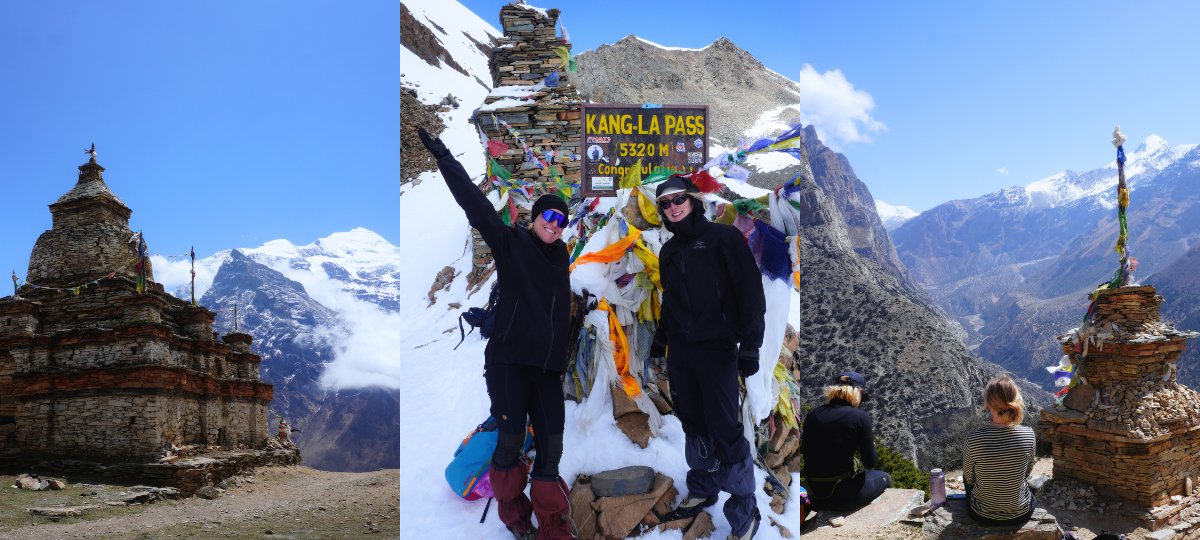
The biggest challenge is crossing Kang La Pass, where the long, steep climb at high altitude can be physically demanding due to thinner air and lower oxygen levels. Another challenge is the remoteness of the region. Compared to more popular trekking routes, facilities, communication, and medical services are limited, so even minor problems can take longer to deal with.
With proper preparation, a sensible pace, and an experienced guide, however, the Nar Phu Valley Trek is a rewarding adventure for well-prepared trekkers.
Every season offers a different experience on the Nar Phu Valley Trek, but spring and autumn are generally considered the best times to visit.
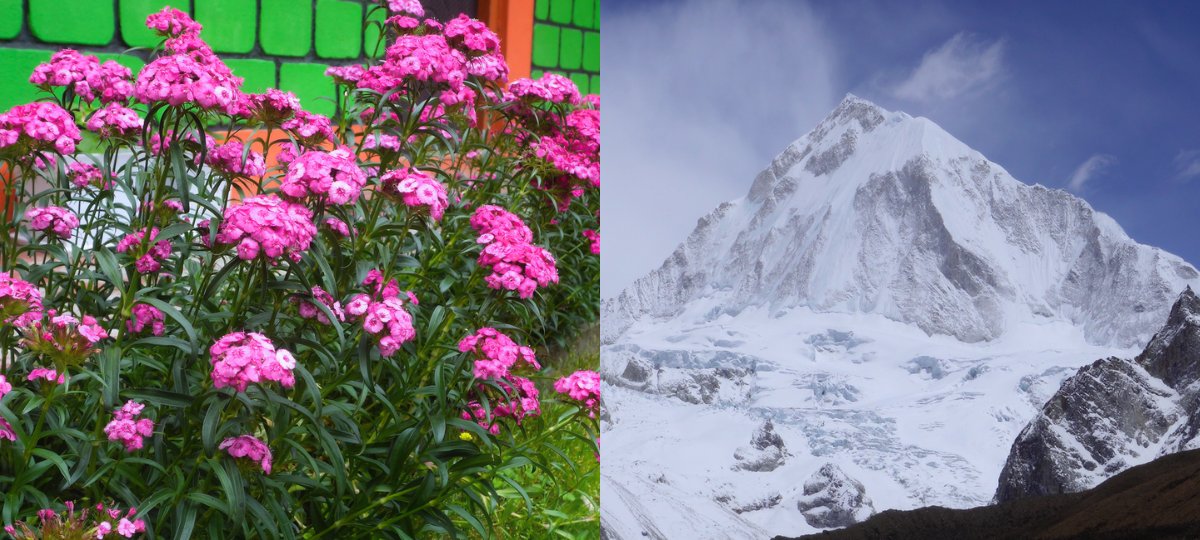
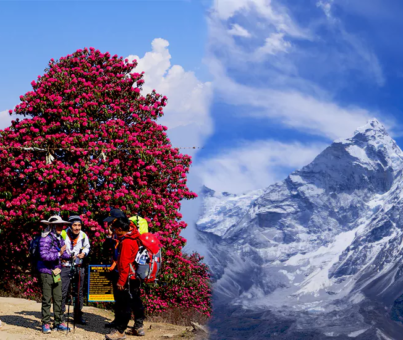
Spring (March to May) brings pleasant temperatures, blooming rhododendron forests, and clear mountain views, while autumn (September to November) is known for its stable weather, crisp air, and excellent visibility. These two seasons provide the most favorable conditions for crossing Kang La Pass and enjoying the trek to its fullest.
The trek can also be done during summer (June to August) and winter (December to February), although these seasons come with additional challenges.
Summer may bring rainfall on the lower sections of the trail and cloudy weather that can reduce mountain views, while winter is marked by freezing temperatures and heavy snowfall at higher elevations, making the crossing of Kang La Pass more difficult.
The Nar Phu Valley Trek is not a journey for those expecting the same level of comfort found on the Annapurna Circuit. Although it branches off from the Annapurna region, Nar Phu has remained largely untouched by modern development, offering a truly remote and authentic Himalayan experience.
Most food supplies, daily essentials, and building materials are still transported by porters or pack animals, reflecting just how isolated the region is.
Accommodation is basic but comfortable, and food options are more limited than on Nepal’s popular trekking routes. During the monsoon season, sections of the trail can also be damaged by landslides or heavy rain, requiring regular maintenance.
Because of this remoteness, it is important to come well prepared. Even a minor illness or injury can become more serious when medical facilities are far away. We strongly recommend trekking with comprehensive high-altitude travel insurance that includes emergency helicopter evacuation for added peace of mind.
For many trekkers, however, this remoteness is exactly what makes the Nar Phu Valley so rewarding. If you’re looking for a genuine Himalayan adventure away from crowded trails, Himalayan Peace Treks is here to help.
Our experienced guides, well-planned itineraries, and dedicated local support ensure you can enjoy this remarkable journey safely and with confidence.
Have Questions?
Talk to our expert team and plan your trip.


 28 June 2026
 By admin
 19 September 2025
By admin
19 September 2025
By admin
 06 April 2025
By admin
06 April 2025
By admin

