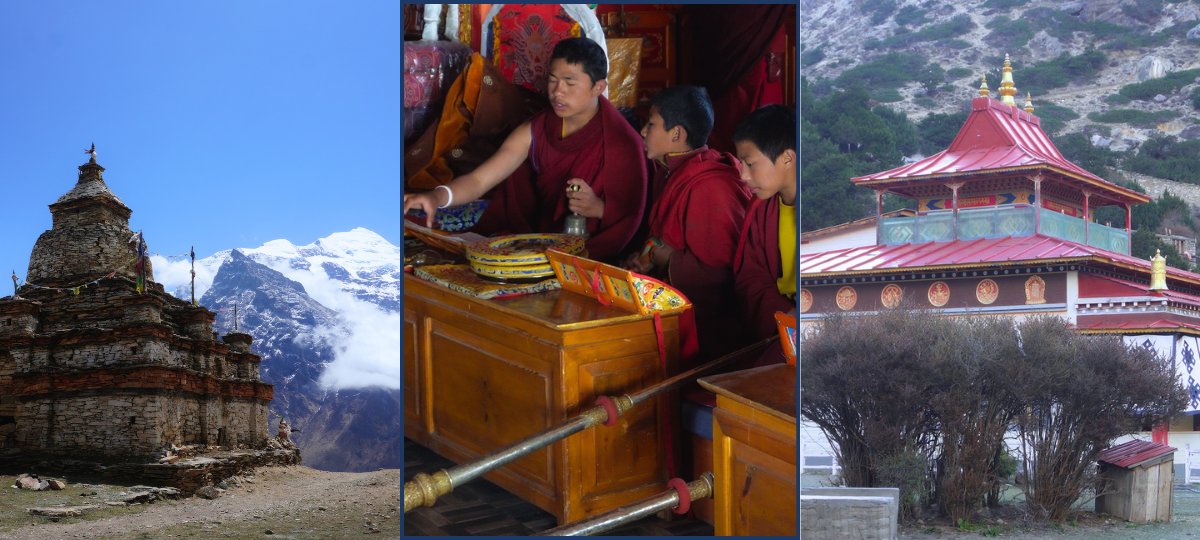
Nar Phu Valley Trek – A Complete Guide for 2026/27
By admin
16 August 2026
Introduction
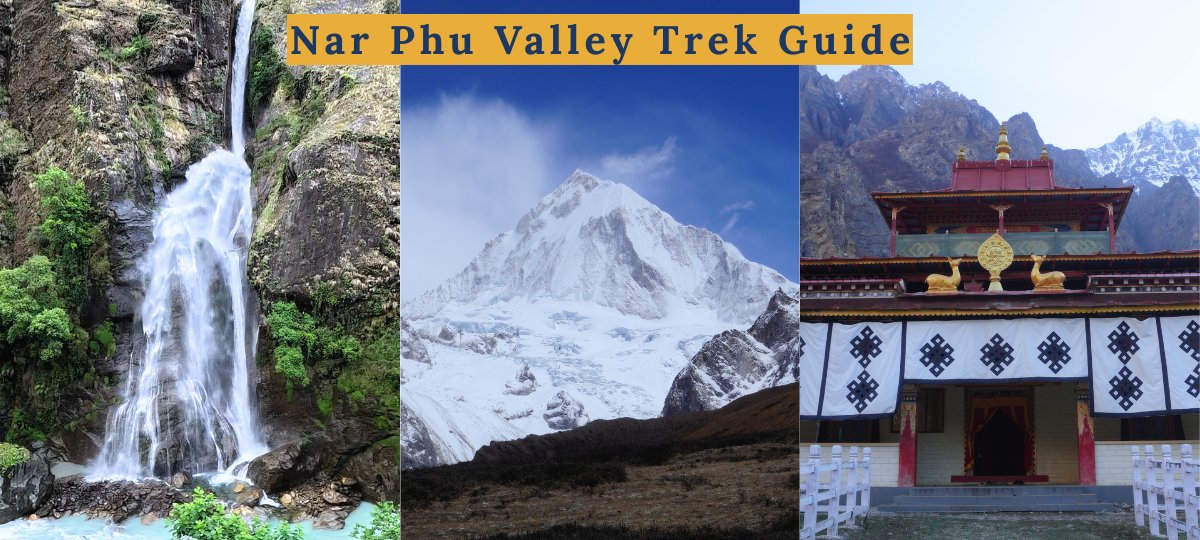
The Nar Phu Valley Trek is one of Nepal’s most rewarding off-the-beaten-path adventures, taking you into two ancient Himalayan valleys that remained closed to foreign trekkers until 2003. Hidden north of the Annapurna region, Nar and Phu have preserved their centuries-old Tibetan Buddhist culture, traditional stone villages, and way of life.
Unlike Nepal’s busier trekking routes, this journey offers a rare sense of solitude, where every day feels like stepping deeper into a forgotten corner of the Himalayas.
The trail begins through lush forests and deep river gorges before gradually entering the dramatic Trans-Himalayan landscape of Nar and Phu.
Along the way, you’ll experience ancient monasteries, remote mountain villages, and the unforgettable overnight stay at Nar Phedi Monastery before crossing the challenging Kang La Pass (5,320 m). Whether you’re drawn by authentic Himalayan culture, spectacular mountain scenery, or the adventure of trekking through one of Nepal’s least-visited regions, the Nar Phu Valley Trek delivers an experience unlike any other.
This complete guide covers everything you need to know before planning your trek, including permits, itinerary, difficulty, the best season to visit, packing tips, and essential travel information.
What Makes the Nar Phu Valley Trek Special?
The Nar Phu Valley Trek is more than just another Himalayan trail. From ancient Tibetan villages and remote monasteries to dramatic mountain passes and ever-changing landscapes, every part of the journey offers something unique. Here are some of the highlights that make this trek one of Nepal’s most rewarding adventures.
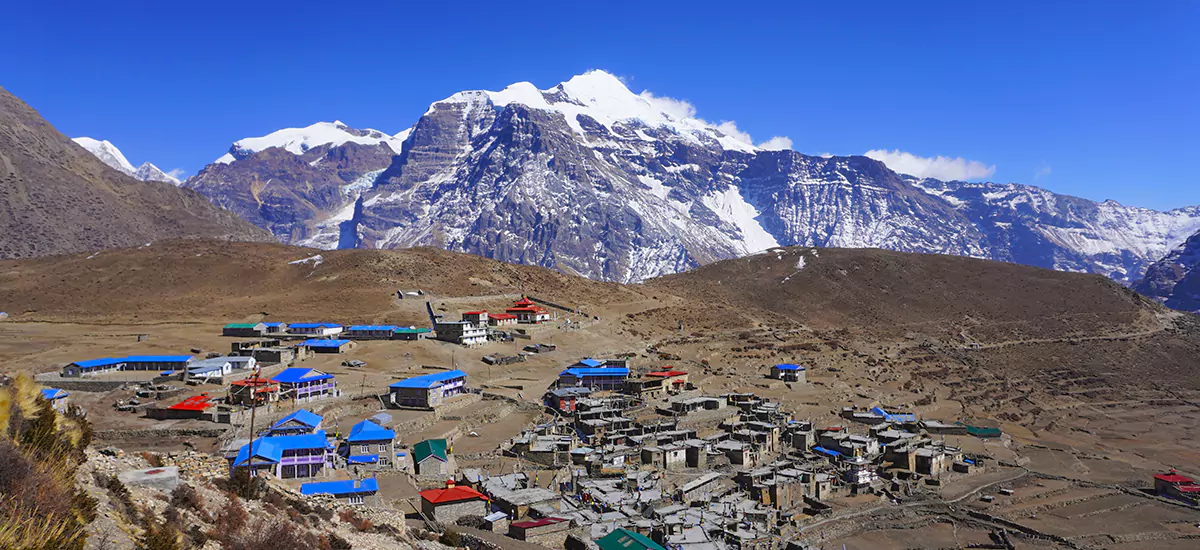
Ancient Villages of Nar and Phu
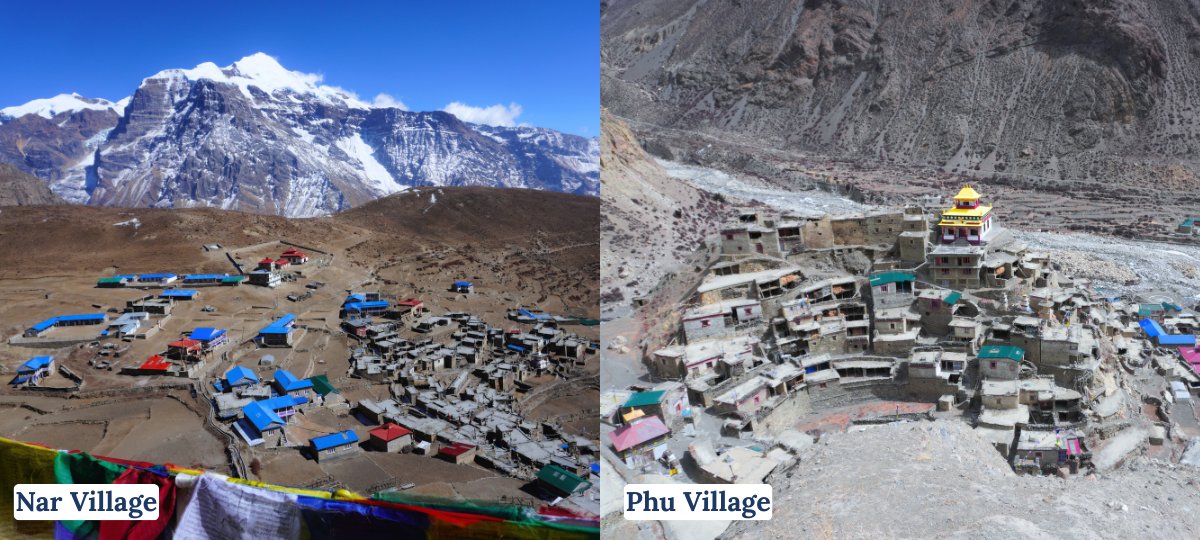
The centuries-old villages of Nar and Phu remain among the best-preserved traditional settlements in the Himalayas. Their stone houses, narrow alleyways, ancient monasteries, and deeply rooted Tibetan Buddhist culture make every visit feel like stepping back in time.
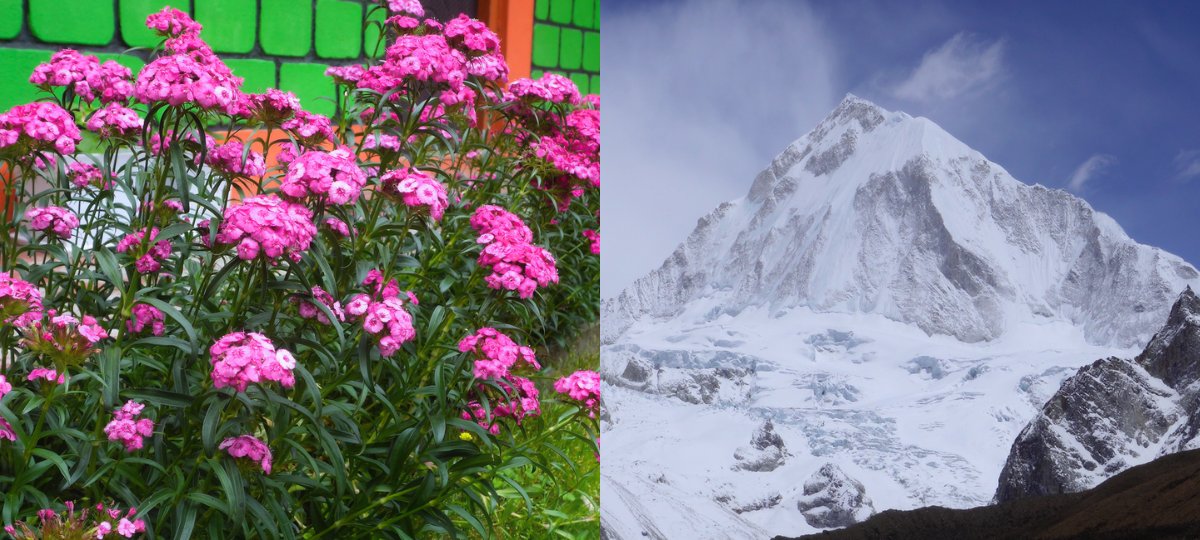
Nar (left) & Phu (right) Village
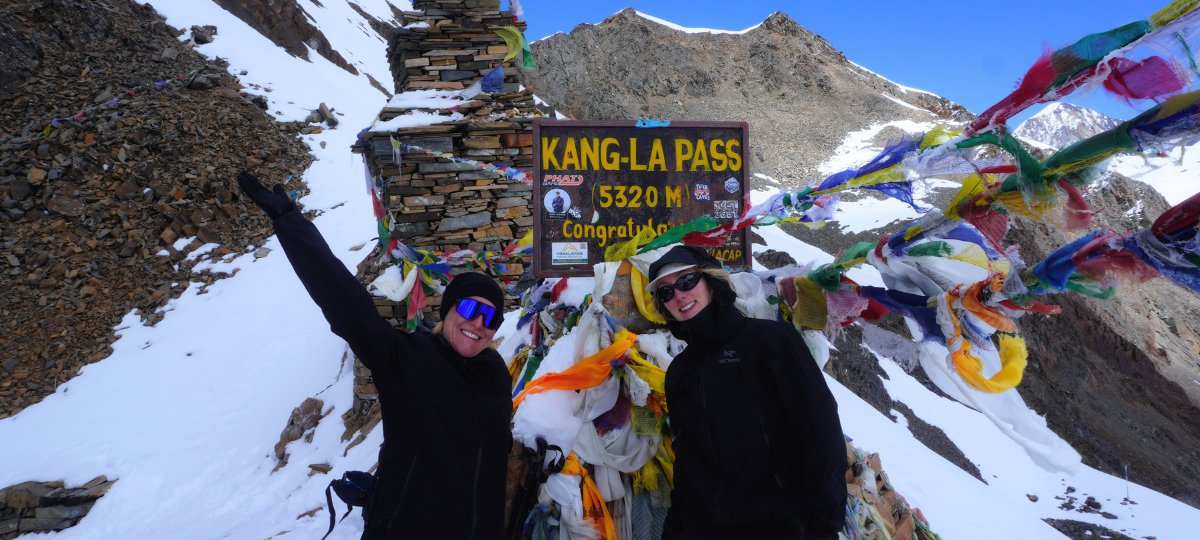
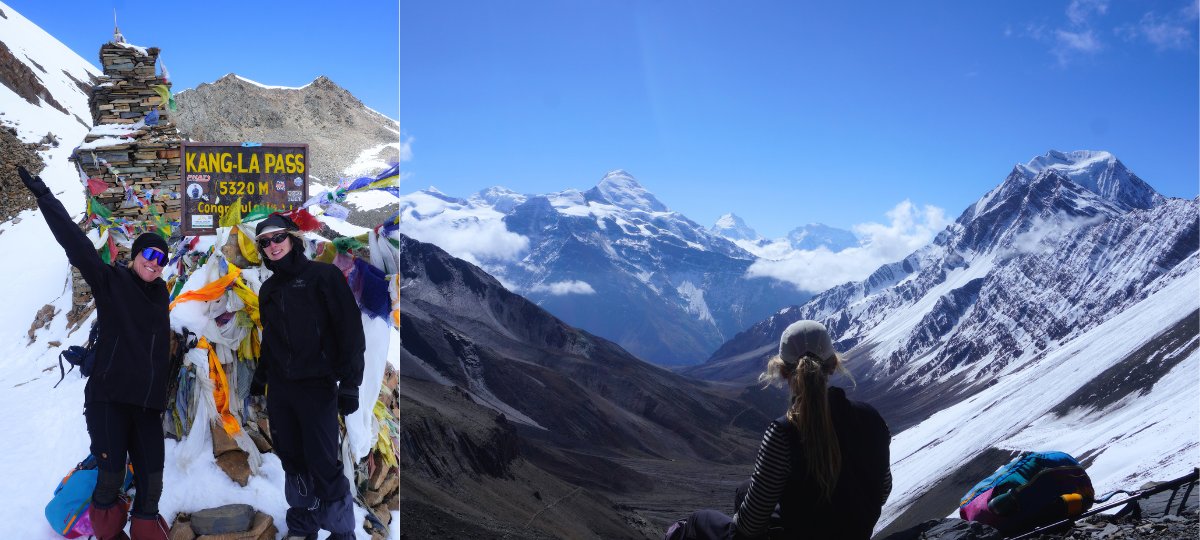
Kang La Pass (5,320 m)
Crossing Kang La Pass is the biggest challenge and the most rewarding moment of the trek. The demanding climb is rewarded with spectacular panoramic views of the Annapurna range before descending into the beautiful village of Ngawal.
Kang La Pass at 5320 M
A Truly Remote Himalayan Experience
Unlike Nepal’s more popular trekking routes, Nar Phu remains peaceful and uncrowded. Its remote location allows trekkers to experience authentic mountain life with very little modern influence.
Rich Tibetan Buddhist Culture
The entire valley reflects a strong Tibetan Buddhist heritage. Ancient monasteries, prayer flags, mani walls, chortens, and traditional festivals continue to play an important role in the daily lives of the local communities.
Dramatic Trans-Himalayan Landscapes
The scenery changes dramatically throughout the trek. The trail begins in lush forests and deep river valleys before gradually entering the dry, rugged landscapes of the Trans-Himalayan rain shadow, creating one of the most diverse trekking experiences in Nepal.
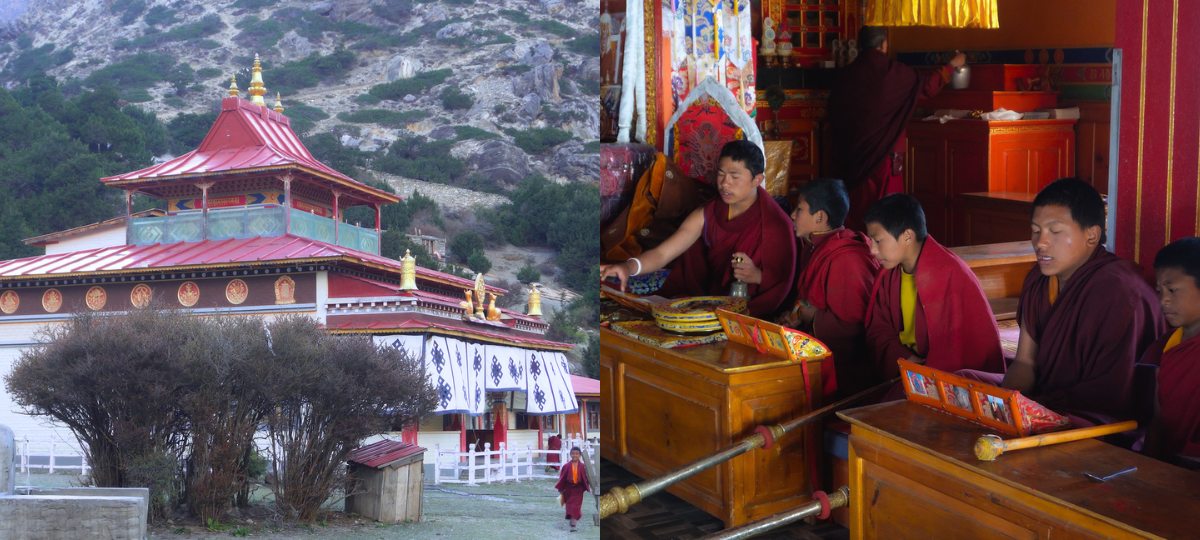
Overnight Stay at Nar Phedi (Shatya) Monastery
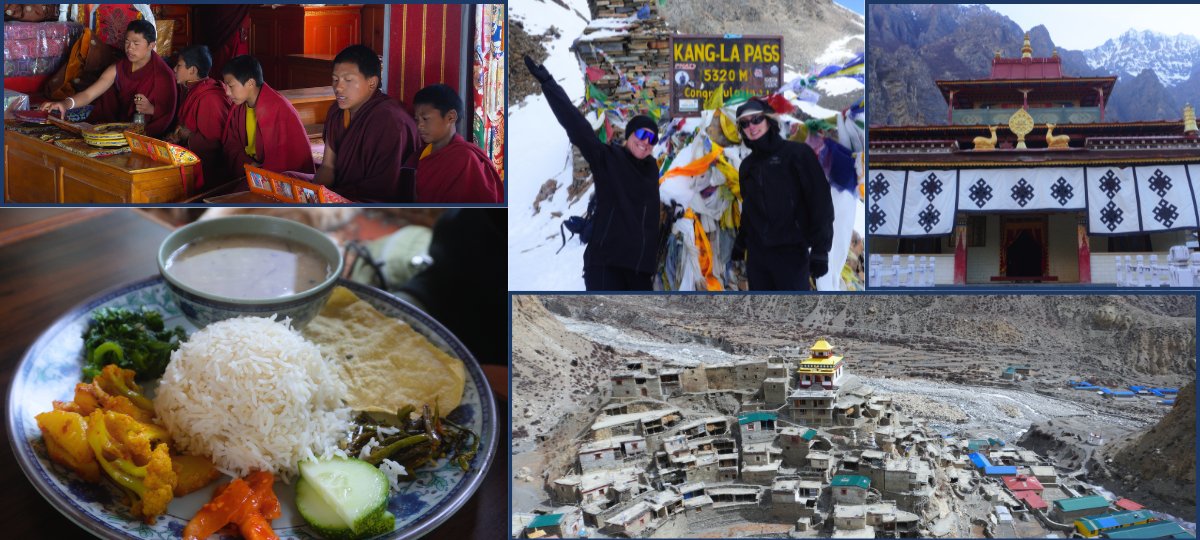
One of the most memorable experiences is spending a night at Nar Phedi (Shatya) Monastery, where trekkers have the opportunity to experience the peaceful atmosphere of a working Buddhist monastery while staying close to the local community.
Nar Phedi (Shatya) monastery
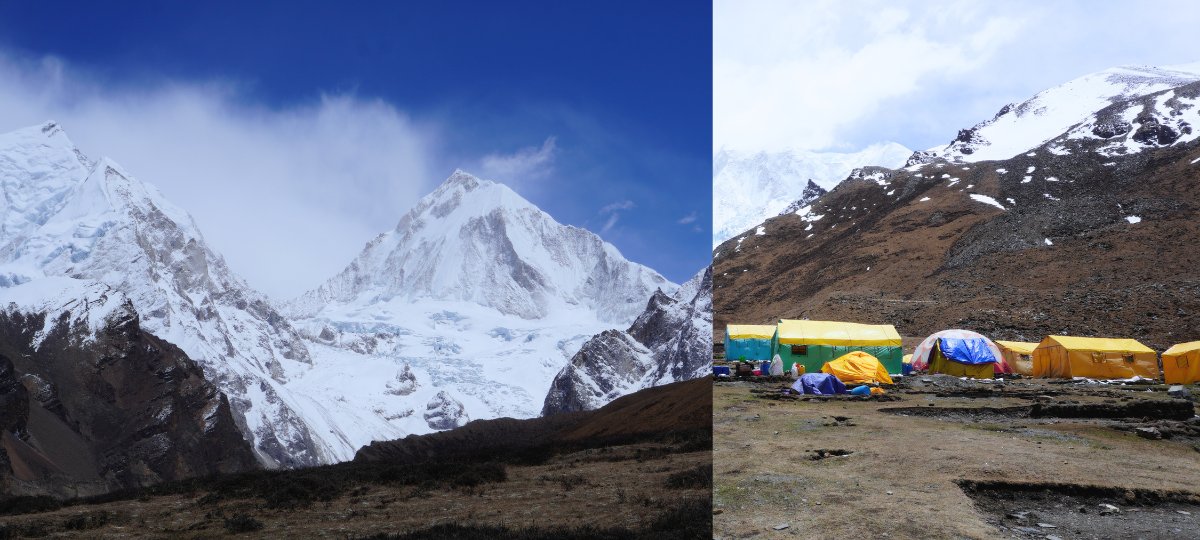
Himlung Base Camp Acclimatization Hike
During the acclimatization day in Phu Village, trekkers can hike towards Himlung Base Camp at 4900 m, offering breathtaking mountain scenery while helping the body adjust to the increasing altitude before crossing Kang La Pass.
Nar Phu Valley Trek at a Glance
Information
Details
Trek Duration
11 Days
Maximum Altitude
Kang La Pass (5320m)
Trek Difficulty
Challenging
Best Season
Spring (March–May) & Autumn (September–November)
Restricted Area
Yes
Guide Requirement
Licensed guide is mandatory
Permits Required
RAP & ACAP
Accommodation
Tea houses & Nar Phedi Monastery
Transportation
Bus & Jeep
Starting Point
Jagat
Ending Point
Ngawal
Major Highlights
Nar & Phu villages, Kang La Pass, Himlung Base Camp, Tibetan Buddhist culture
Nar Phu Valley Trek Route & Itinerary
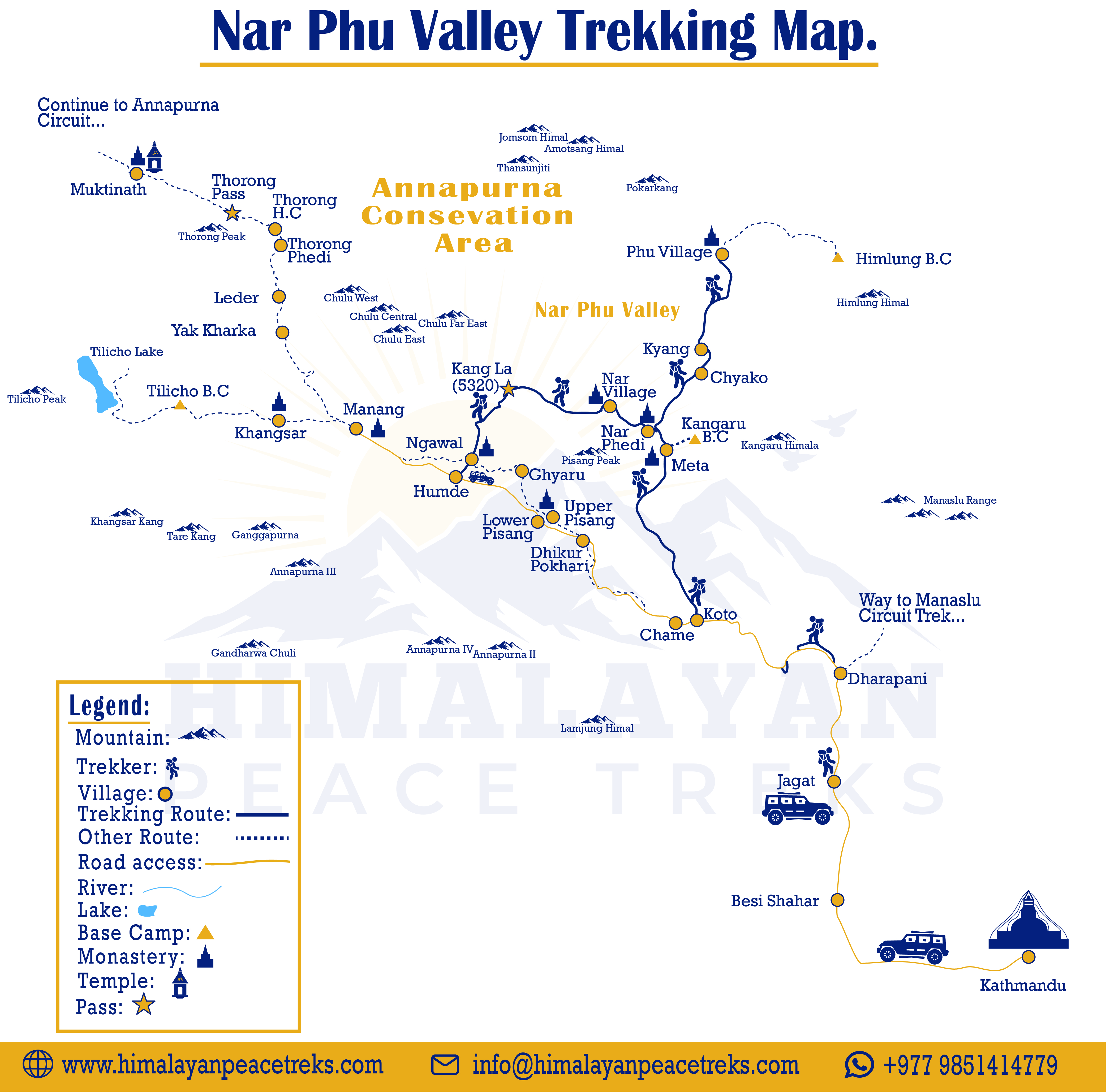
Our standard 11-day Nar Phu Valley Trek begins with a drive from Kathmandu to Besisahar, followed by a jeep ride to Jagat, where the trekking adventure starts.
The trail passes through beautiful villages such as Dharapani, Koto, Meta, and Phu before reaching the hidden valleys of Nar and Phu. An acclimatization day at Phu Village includes an optional hike towards Himlung Base Camp, helping you adjust to the altitude while enjoying spectacular Himalayan views.
The journey then retraces to Nar Phedi Monastery before continuing to Nar Village and crossing the challenging Kang La Pass (5,320 m). After descending to Ngawal, the trek ends with a drive back to Kathmandu.
Below is our detailed day-by-day itinerary to help you understand each stage of the journey.
Day 1: Drive Kathmandu to Jagat (1410 m) 8-9 hours
Enjoy your breakfast at the hotel or get it packed to take along with you for your road journey. The drive is long and scenic; passing through villages and fields in the rolling foothills which guide your way into the mountains.
The first part of the day is a drive via local bus to Besisahar, the entry point to the Annapurna Conservation Area. Transfer in Besisahar to a sharing jeep that will take you the rest of the way to the starting point of your adventure, the town of Jagat. The roads in Nepal can be dusty and bumpy so come prepared to ward off any motion sickness with snacks and podcasts!
Day 2: Trek Jagat to Dharapani (1960 m) 6-8 hours
An exciting day as you officially begin the beautiful Nar Phu Trek on foot! The route follows along the Marsyangdi River in the bottom of the valley and then ascends slowly. Most of the day is spent in subtropical forests and walking along the road that has been cut out of the rocky hills. You can expect to see many waterfalls cascading down the towering cliffs and perhaps some lizards amongst the rocks and mosses.
Day 3: Trek Dharapani to Koto (2610 m) 5-6 hours
Today’s trail veers off of the path of the regular Annapurna Circuit and into the more remote, restricted area of Nar Phu Valley. To enter, you require a special permit that Himalayan Peace Treks would have already obtained for you in Kathmandu.
Walk through local villages, over well constructed bridges and past stunning waterfalls. Catch the first few glimpses of mountains in the distance, although the surrounding hills are huge enough to already feel like mountains.
Day 4: Trek Koto to Meta (3569 m) 7-8 hours
Today is the biggest challenge yet, gaining almost 1000 m of elevation today and officially reaching (and surpassing!) 3000 m altitude. Begin at the river’s edge with a meangering walk through lush forests. A highlight of the day is walking in behind an impressive waterfall.
The day ends with a final steep push upwards to Meta, a small village perched on the edge of a mountain overlooking the lush valley. The evening is spent warming by the woodstove, refueling with delicious local food, and perhaps reflecting on the journey thus far.
Day 5: Trek Meta to Phu (4050 m) 7 hours
The route today is gradual but long, with initial morning views of the monastery where we will later spend the night. Pass through the small village of Chyako where a giant gold Buddha monument overlooks the rolling fields.
As you continue to gain elevation, the lush forests are replaced by impressive rock formations that tower above the river below. The traditional architecture is fascinating to observe as it is uniquely designed to withstand the mountainous environment. Ancient ruins and meditation caves can be seen afar as the day finishes in Phu village.
Day 6: Rest and Acclimatization Day in Phu (4050 m)
You have options for the day based on your needs. You may choose to rest in Phu village and explore the local area and monastery. Phu (sometimes written, Phoo) is a modest village which has preserved ancient Tibetan Buddhist traditions for centuries and is a serene place to spend time.
A second option to help your body acclimatize is to hike up to Himlung Base Camp at 4900 m. This is a stunning, expansive hike alongside a glacier and is a common spot for many wildlife sightings including blue sheep and mountain goats. Phu is profound in its location, simplicity and culture.
Himlung Base Camp at 4900 m
Day 7: Trek Phu to Nar Phedi (3750 m) 6 hours
The day begins with a gradual descent back the way you came. Retracing your steps offers the opportunity to revisit the incredible ancient architecture and see the previously walked route from a new perspective. Eventually, you reach the new path, which leads towards Nar Phedi, where we will have the unique chance to stay in a monastery where many young monks live and attend school.
There is a peaceful serenity here; generations and generations of spiritual practice with the river flowing far below us and the rocky mountains up above. From Nar Phedi you can look back across the valley to Meta and see how far you’ve come on your Nar Phu trekking journey.
Day 8: Trek Nar Phedi to Nar Village (4150 m) 3 hours
A short and enjoyable day awaits. Say goodbye to the monastery and ascend up and over a hill where the route flattens out onto grassy plains with panoramic views. Here, there is an impressive, long mani wall. There are many mani walls throughout the Nar Phu Trek, which are important Buddhist structures made of stones and carved with ancient prayers.
A short, scenic walk brings you to the quaint village of Nar, another memorable village showcasing fascinating architecture and the beautifully rural way of life of the local people. The afternoon is spent exploring, relaxing and hiking up to a viewpoint to see more of the valley, which will further help with acclimatization before hiking over the pass tomorrow.
Day 9: Trek Nar to Kang La Pass (5320 m), then to Ngawal (3652 m) 8-9 hours
For many, today will be the most challenging and most rewarding day of the trek. You rise early, before the sun, and set off on the slow ascent towards Kang La (‘La’ means ‘pass’ in Nepali).The experience of watching the starry night sky slowly lighten, the peaks of the mountains come into focus and glow golden with the morning sun is like no other.
The climb upwards starts gradually through huge expansive yak pastures and leads to a steeper rocky section that leads to the pass. It is important to walk slowly and carefully as you reach higher and higher elevation.
Kang La Pass at 5320 m
Once you reach Kang La there is time for celebration along with letting the achievement of reaching over 5000 m sink in. Entirely new views of snow capped mountains, tiny villages and the green valley below start to come into sight as you ascend down the other side of the pass towards Ngawal.
Day 10: Drive Ngawal to Besisahar (760 m) 5-6 hours, 60 km
Our journey on foot has come to a beautiful end. We now drive via sharing jeep to the small mountain city of Besisahar. An evening of gratitude, communal congratulations and closing reflections awaits us.
Optional: If you are not quite done with the adventure and have the time, some guests choose to add an extra day or two from this point. The option is to hike a few hours up to Manang (3519m), a trekking hub of the region.
There are many impressive sites to see from Manang including, day hikes that showcase the unique landscape, a 900 year old monastery and various mountain lakes.
Manang is also where the Nar Phu trail reconnects with the Annapurna Circuit Trek, so you might choose to continue even further and tackle Thorong La (5416m), the high mountain pass on the Annapurna Circuit Trek.
Day 11: Drive Besisahar to Kathmandu 8-9 hours
The final official day on the Nar Phu Valley Trek has arrived with one final push to get back to Kathmandu via local bus. If you would like to continue your travels to Pokhara, a beloved destination for travellers, then Himalayan Peace Treks can help arrange this transportation for you.
If you have a few extra days, the Nar Phu Valley Trek can be seamlessly extended into the famous Annapurna Circuit. After crossing Kang La Pass, the trail descends to Ngawal, where it joins the Annapurna Circuit route.
Instead of driving back to Kathmandu, you can continue towards Manang, cross the iconic Thorong La Pass (5,416 m), visit the sacred pilgrimage site of Muktinath, and complete one of Nepal’s most classic trekking adventures.
Combining these two routes offers an even richer experience, blending the remote wilderness of Nar Phu with the diverse landscapes and cultural highlights of the Annapurna Circuit.
Nar Phu Valley & Annapurna Circuit Trek map
Required Permits for the Nar Phu Valley Trek
The Nar Phu Valley Trek is a restricted area trek in Nepal, meaning you cannot trek independently. All trekkers must obtain the necessary permits through a government-registered trekking agency and be accompanied by a licensed guide throughout the journey. Restricted Area Permit (RAP)
A Restricted Area Permit (RAP) is mandatory for all foreign trekkers entering the Nar Phu Valley. The permit is issued only through a registered trekking agency and cannot be obtained individually.
Permit Fee:
September to November: USD 100 per person for the first 7 days and USD 15 for each additional day.
December to August: USD 75 per person for the first 7 days and USD 15 for each additional day.
Annapurna Conservation Area Permit (ACAP)
Since the Nar Phu Valley Trek passes through the Annapurna Conservation Area, trekkers must also obtain an Annapurna Conservation Area Permit (ACAP).
Permit Fee:
NPR 3,000 per person (approximately USD 25)
Permit Arrangement
At Himalayan Peace Treks, we handle the entire permit process on your behalf, so you can focus on enjoying your adventure while we handle all the necessary paperwork before your trek begins.
How Difficult Is the Nar Phu Valley Trek?
The Nar Phu Valley Trek is considered challenging and best suited to trekkers with good physical fitness. While no technical climbing skills are required, the combination of high altitude, long walking days, and the remote nature of the trail makes it more demanding than many of Nepal’s popular trekking routes. If you have previous trekking experience, especially at higher elevations, you’ll likely enjoy the journey even more.
The biggest challenge is crossing Kang La Pass (5,320 m), which involves a long, steep ascent through thin mountain air followed by a demanding descent to Ngawal. Proper acclimatization is essential, and the itinerary includes an acclimatization day at Phu Village to help your body adjust before the pass.
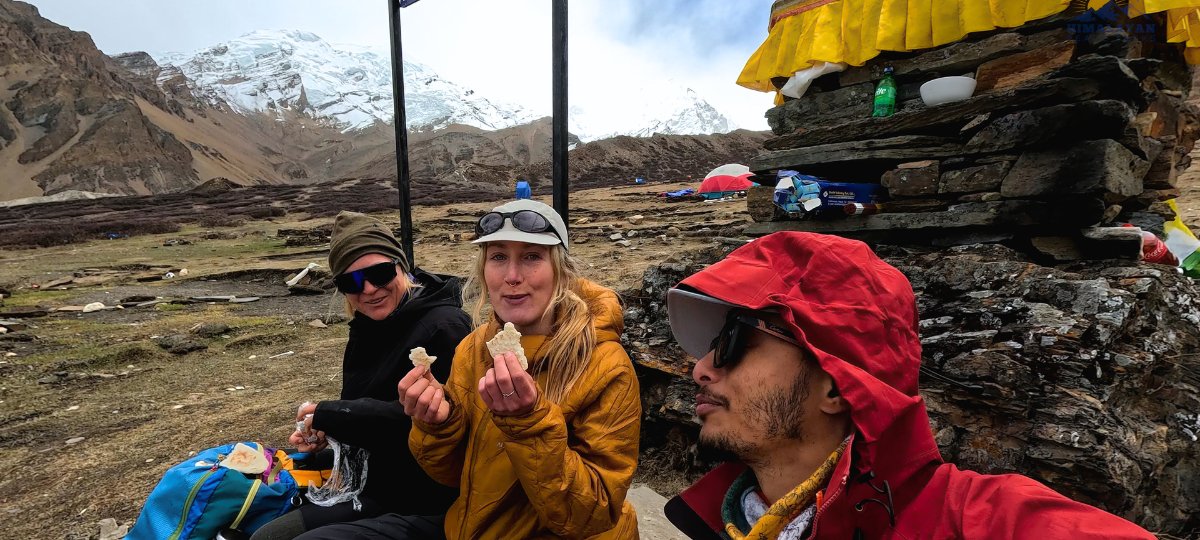
Trekkers at Himlung Base Camp
Another factor that adds to the difficulty is the trek’s remoteness. Compared to well-developed routes like the Annapurna Circuit, Nar Phu has fewer tea houses, limited communication facilities, and basic services. Trekkers should also prepare physically before arriving in Nepal by building endurance through regular walking, hiking, or cardio exercise.
With proper preparation, a sensible itinerary, and an experienced guide, the Nar Phu Valley Trek becomes a challenging yet highly rewarding Himalayan adventure.
Best Time to Visit the Nar Phu Valley Trek
The Nar Phu Valley Trek can be completed in different seasons, but spring and autumn are widely considered the best times to visit. These seasons offer the most stable weather, clear mountain views, and comfortable trekking conditions.
Spring (March to May) brings mild temperatures, blooming rhododendron forests in the lower sections of the trail, and excellent visibility of the surrounding Himalayan peaks. Autumn (September to November) is equally popular, with crisp air, clear skies, and pleasant daytime temperatures, making it ideal for crossing Kang La Pass (5,320 m).
During the summer/monsoon season (June to August), rainfall can make the lower sections of the trail muddy and slippery, while clouds often reduce mountain visibility. Winter (December to February) offers beautiful snow-covered landscapes but also brings freezing temperatures and heavy snowfall around Kang La Pass, which may make the crossing difficult or even impossible depending on weather conditions.
For most trekkers, spring and autumn provide the best combination of stable weather, safer trail conditions, and breathtaking Himalayan scenery.
Tea Houses, Food & Accommodation
Tea houses along the Nar Phu Valley Trek are simple, family-run lodges that provide a warm and welcoming place to rest after each day’s hike. Most rooms are basic, with twin beds, blankets, and shared bathrooms.
As the trail enters the more remote villages of Nar and Phu, the facilities become more limited, but the genuine hospitality of the local people makes the experience truly memorable. One of the unique highlights of this trek is the overnight stay at Nar Phedi (Shatya) Monastery, where you’ll experience the peaceful atmosphere of a traditional Buddhist monastery.
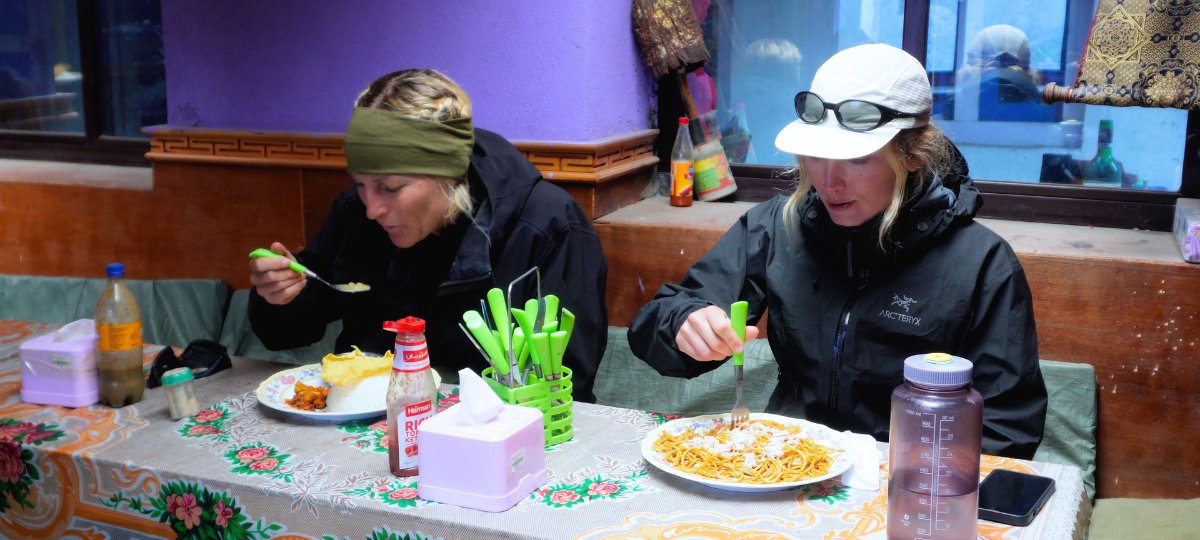
The food served on the trek is fresh, filling, and prepared to keep you energized at high altitude. Popular meals include Dal Bhat, Thukpa, Thenduk, Tibetan bread, noodles, momo, fried rice, pasta, pancakes, and a variety of hot drinks such as tea, coffee, and ginger lemon honey.
Although the menu becomes simpler in the higher villages due to the region’s remoteness, you’ll still find nutritious meals throughout the journey. If you’d like to learn more about what to expect from tea houses and accommodation during trekking in Nepal, check out our detailed guide on Nepal trekking accommodation.
Culture & Religion of the Nar Phu Valley
One of the most fascinating aspects of the Nar Phu Valley Trek is the opportunity to experience a way of life that has remained largely unchanged for centuries. The people of Nar and Phu are descendants of Tibetan communities, and their daily lives continue to be deeply influenced by Tibetan Buddhism.
Ancient monasteries, prayer flags, mani walls, chortens, and prayer wheels are found throughout the valley, reflecting the region’s rich spiritual heritage.
Life in Nar Phu is simple and closely connected to both religion and nature. Many locals make a living through farming and yak herding, while monasteries continue to serve as the cultural and spiritual heart of the community.
As you walk through these remote villages, you’ll witness traditions, architecture, and customs that have been carefully preserved for generations, making the Nar Phu Valley Trek as much a cultural journey as a Himalayan adventure.
Nar Phu Valley Trek Packing List
Packing wisely is an important part of preparing for the Nar Phu Valley Trek. Since this trek reaches high altitude, crosses Kang La Pass (5,320 m), and passes through remote Himalayan villages with limited facilities, carrying the right gear will make your journey safer and more comfortable. The goal is to pack everything you need without carrying unnecessary weight.
Clothing – Upper Body
Head
Sun hat/ball cap 1
Warm hat 1
Buff/neck tube/scarf 1-2
Headlamp with batteries/charger 1
Sunglasses 1
Hands
Inner gloves 1
Outer gloves 1
Base Layer
Moisture-wicking shirts 2-4
Warm shirts 1-2
Sports bras 2-3
Mid Layer
Fleece zip-up/pullover 1-2
Outer Layer
Down jacket (can rent) 1
Waterproof/windproof jacket 1
Clothing – Lower Body
Base Layer
Underwear 6-9
Warm long underwear 1-2
Mid Layer: Maximum 3-5 pairs in total
Hiking shorts 1-2
Leggings 1-3
Hiking pants 1-3
Optional: Lined pants 1
Outer Layer
Cozy pants 1
Optional: Waterproof/windproof hiking pants 1
Feet
Thin hiking socks 3-5
Thick hiking socks 1-2
Cozy socks 1-2
Hiking boots 1
Tea house shoes 1
Shower shoes 1
Microspikes (crampons) 1
Gaiters 1
Travel Documents and Money
Passport
Passport sized photos
$¥€ Cash for a tourist visa upon arrival
$¥€ Cash to pay for your trek/tour
(NPR) Nepali rupees for spending money on the trek (get in Kathmandu)
Personal IDs and money cards
Insurance plan (send info to tour company)
Trekking Equipment
Large bag for porter (can borrow)
Day pack
Optional: Waist bag
Sleeping bag (can rent)
Trekking poles
Water bottle or bladder
Water purification system
Phone with cords
Camera with cords
Personal Items
Toiletries
Toothbrush
Toothpaste
Shampoo
Soap (can double as laundry soap)
Toilet paper
Moisturizer
Sunscreen
Lip balm
Menstrual items
Wet wipes
Hand sanitizer
Quick dry towel
Medications (at your discretion)
Personal prescribed medication
Precautionary medications
Medicated cream
Precautionary antibiotics
Vitamins
Altitude sickness medication
Electrolytes
Extra Items
Power bank
Travel adapter
Cards/small games
Book/e-reader
Journal
Plastic bags
Bathing suit
Nail clippers
Snacks
Earplugs & eye mask
Blister kit
Headphones
Pocket knife/multitool
Sewing kit
Safety pins/carabiners
Watch the Nar Phu Valley Trek
Want to see what the Nar Phu Valley Trek is really like before planning your adventure? Watch our Nar Phu Valley Trek videos on the Himalayan Peace Treks YouTube channel, where we share real footage from the trail, remote villages, monasteries, Kang La Pass, and the breathtaking Himalayan landscapes.
These videos provide a closer look at the trekking experience and help you know what to expect before starting your journey.
Why Trek with Himalayan Peace Treks?
Experienced Local Guides
The Nar Phu Valley Trek is a remote and restricted-area adventure where an experienced guide makes all the difference. Our licensed local guides know the trail, weather conditions, local culture, and the best acclimatization practices, ensuring you enjoy a safe, informative, and memorable trekking experience from start to finish.
We Handle All Permit Arrangements
The Nar Phu Valley Trek requires a Restricted Area Permit (RAP) and an Annapurna Conservation Area Permit (ACAP), and all permits must be obtained through a government-registered trekking agency. At Himalayan Peace Treks, we take care of the complete permit process on your behalf, allowing you to focus entirely on preparing for your adventure.
Reliable Transportation & Trek Logistics
From your arrival in Nepal until the end of your trek, we help arrange all the necessary transportation and logistics. Whether it’s bus and jeep transfers, accommodation arrangements, or coordinating your trekking schedule, our team ensures a smooth and hassle-free journey throughout your adventure.
Comfortable Tea House & Monastery Stay
Accommodation in Nar Phu is simple due to the region’s remoteness, but we carefully arrange comfortable tea house stays throughout the trek, including the unique overnight experience at Nar Phedi Monastery. Our goal is to make every stop along the trail as comfortable and enjoyable as possible.
Your Safety Is Our Priority
Your safety is our highest priority throughout the journey. Our experienced guides carefully monitor your pace, support proper acclimatization, and make informed decisions based on weather and trail conditions. From the first day of the trek until you safely return, we are committed to providing a responsible and well-organized trekking experience.
Responsible & Sustainable Trekking
We believe trekking should benefit both visitors and the local communities that make these journeys possible. We promote responsible trekking by respecting local culture, supporting family-run tea houses, minimizing environmental impact, and encouraging sustainable trekking practices that help preserve the unique heritage and natural beauty of the Nar Phu Valley for future generations.
If you’re planning your Nar Phu Valley adventure, Himalayan Peace Treks is here to make your journey smooth and hassle-free. From arranging permits, experienced local guides, transportation, accommodation, and overall trek logistics, we take care of every detail so you can focus on enjoying one of Nepal’s most remarkable Himalayan adventures.
FAQs
1. How difficult is the Nar Phu Valley Trek?
The Nar Phu Valley Trek is considered a challenging trek due to its high altitude, long walking days, remote trails, and the crossing of Kang La Pass (5,320 m). Good physical fitness and proper acclimatization are highly recommended.
2. Do I need a guide for the Nar Phu Valley Trek?
Yes. Since Nar Phu is a restricted area, all foreign trekkers must be accompanied by a licensed guide, and permits can only be arranged through a registered trekking agency.
3. What permits are required for the Nar Phu Valley Trek?
You will need a Restricted Area Permit (RAP) and an Annapurna Conservation Area Permit (ACAP) to complete the trek.
4. How many days does the Nar Phu Valley Trek take?
Our standard Nar Phu Valley Trek itinerary takes 11 days. However, the duration can be customized depending on your schedule and whether you plan to continue on the Annapurna Circuit.
5. What is the highest point of the trek?
The highest point of the trek is Kang La Pass, which stands at 5,320 meters above sea level.
6. When is the best time to do the Nar Phu Valley Trek?
Spring (March to May) and autumn (September to November) are generally considered the best seasons, offering stable weather, clear skies, and excellent mountain views.
7. Can beginners do the Nar Phu Valley Trek?
Yes, but it is better suited to trekkers with good physical fitness. Previous trekking experience is helpful, though not mandatory if you prepare well before the trek.
8. Is altitude sickness a concern on the Nar Phu Valley Trek?
Yes. Since the trek reaches over 5,000 meters, there is a risk of altitude sickness. Following a proper itinerary, acclimatizing well, and trekking with an experienced guide help reduce the risk.
9. Can I combine the Nar Phu Valley Trek with the Annapurna Circuit?
Yes. After crossing Kang La Pass, the trail joins the Annapurna Circuit at Ngawal, making it easy to extend your adventure.
10. What type of accommodation is available during the trek?
Accommodation consists mainly of simple family-run tea houses with basic but comfortable facilities. The trek also includes a memorable overnight stay at Nar Phedi (Shatya) Monastery.
11. Is travel insurance necessary?
Yes. We strongly recommend travel insurance that covers high-altitude trekking and emergency helicopter evacuation.
12. Is there a mobile network and internet on the trek?
Mobile coverage and internet are available in some villages, but both are limited and unreliable in the more remote sections of the trail.
13. How much does the Nar Phu Valley Trek cost?
The total cost depends on your group size, itinerary, transportation, and services included. Please contact Himalayan Peace Treks for the latest itinerary and pricing.
14. Can I rent trekking equipment in Kathmandu?
Yes. Kathmandu, especially the Thamel area, has many shops where you can rent trekking gear such as sleeping bags, down jackets, and trekking poles.
15. What should I pack for the Nar Phu Valley Trek?
Pack warm clothing, sturdy trekking boots, a sleeping bag, rain gear, sunscreen, sunglasses, a first-aid kit, water bottles, and other trekking essentials. For a complete checklist, see our detailed Nepal Trekking Packing List.