Email us
[email protected]


Email us
[email protected]

Trip booking for 2025 and 2026 is open, you can book any trip from our website.

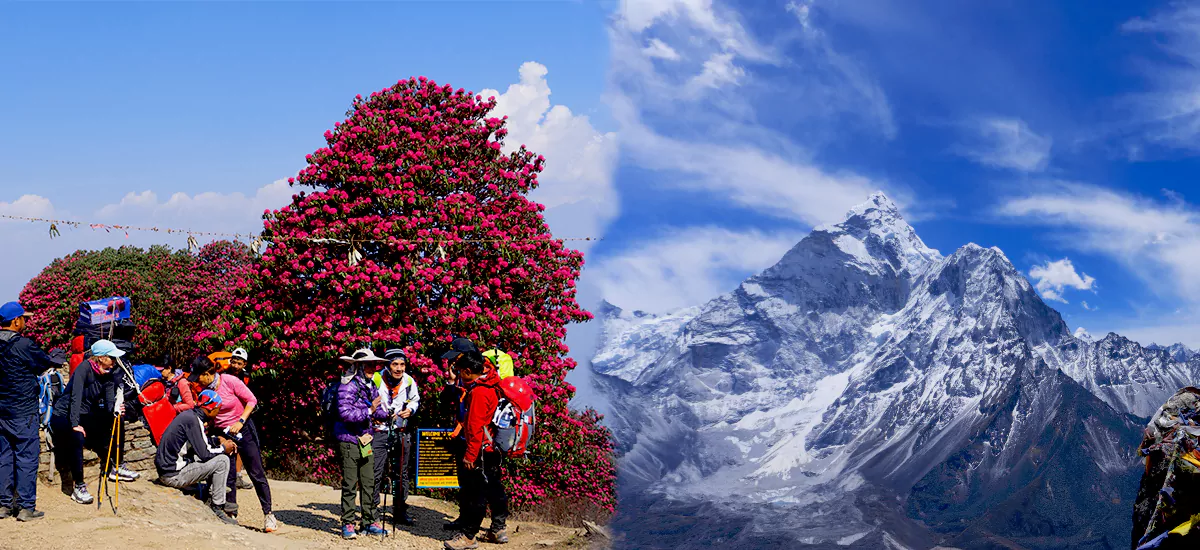 If you’ve ever dreamed of trekking in Nepal, one of the first questions that comes up is: When is the best time to go? People picture snowy peaks, prayer flags dancing in the wind, and trails winding through villages and forests. But what they often don’t realize is that timing matters. The same trail can feel very different depending on the season.
After guiding treks in the Himalayas for years, I can say this with confidence: Autumn and spring are the best seasons for trekking in Nepal. Both bring out the beauty of the mountains in their own way. Let me walk you through why.
Autumn in Nepal runs from September to November. It’s the most popular trekking season, and for good reason.
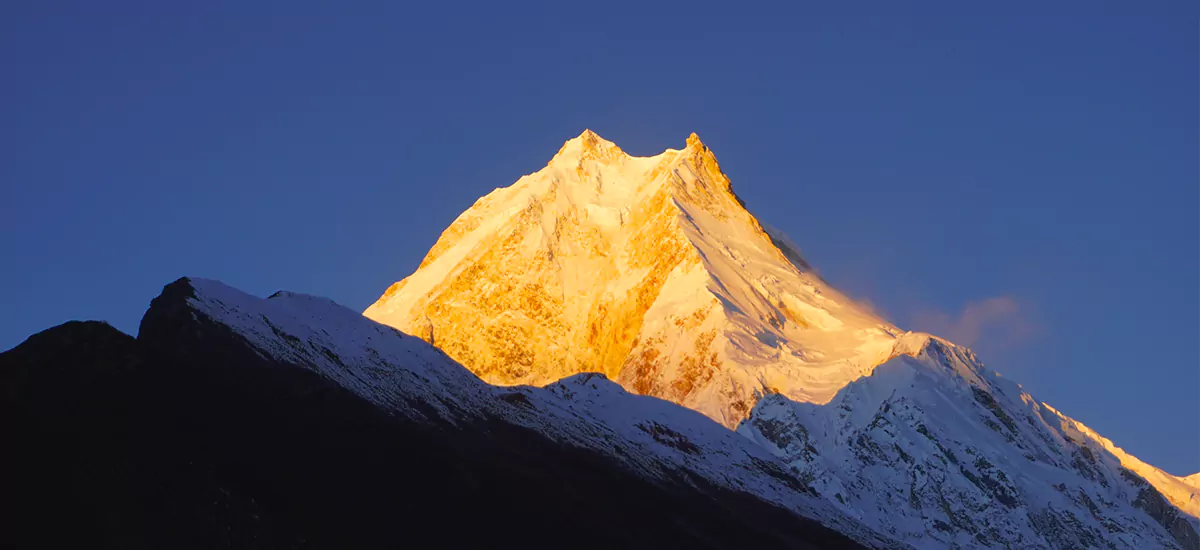
In early September, the hills are still green from the monsoon rains. You may see clouds hanging over the valleys, breaking apart to reveal sudden views of snow peaks. It feels alive, like the land is still shaking off the rain. As the season moves into October and November, the air turns crisp and cool. The skies are clear, and you get those jaw-dropping mountain views that postcards can’t capture.
I’ve had mornings where the Annapurna range looked so close it felt like you could reach out and touch it. Days like that remind you why people travel halfway across the world just to walk these trails.
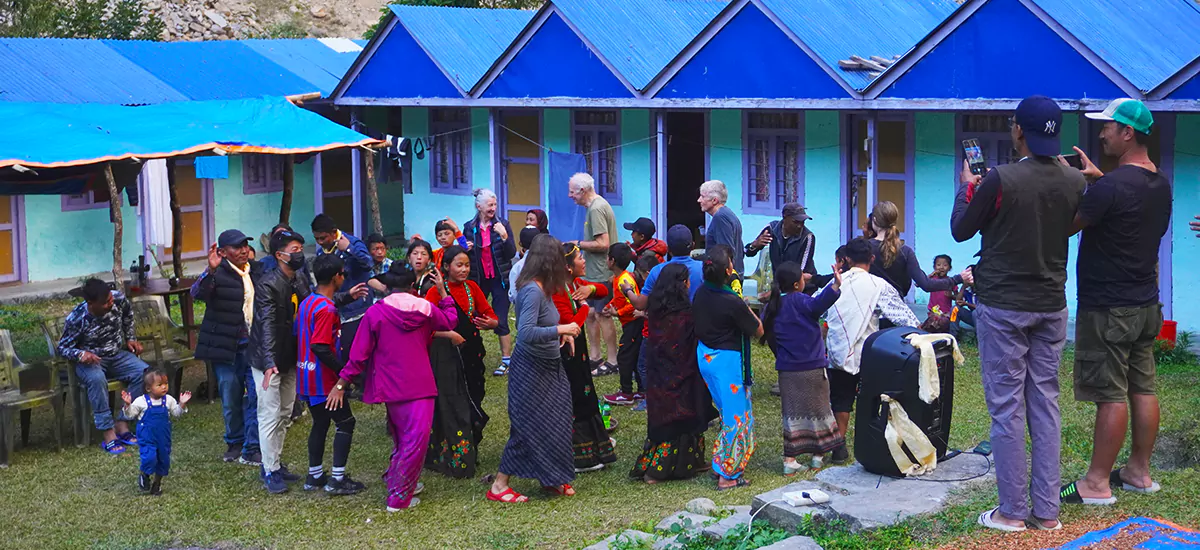
Another thing about autumn, it’s festival time in Nepal. Dashain and Tihar, our biggest celebrations, happen during this season. If you’re trekking through villages, you’ll see homes decorated with lights, hear laughter, and maybe even get invited to join in. Imagine sitting with a local family, sharing food, and hearing stories by the fire after a day’s walk. That’s the kind of memory that stays with you.
Of course, nature can still surprise you. Some years, autumn comes late and the weather may shift. You might get a cloudy day when you were hoping for mountains. But most of the time, autumn gives you the best balance; comfortable weather, stable trails, and wide open views.
Spring, from March to May, is the second golden season for trekking in Nepal.
If autumn is about clear skies and festivals, spring is about life bursting out in color. This is when rhododendrons bloom in the hills. Whole forests turn red, pink, and white. Walking through them feels magical. Sometimes you’ll hear birds calling from the branches or spot yaks grazing on the higher pastures.
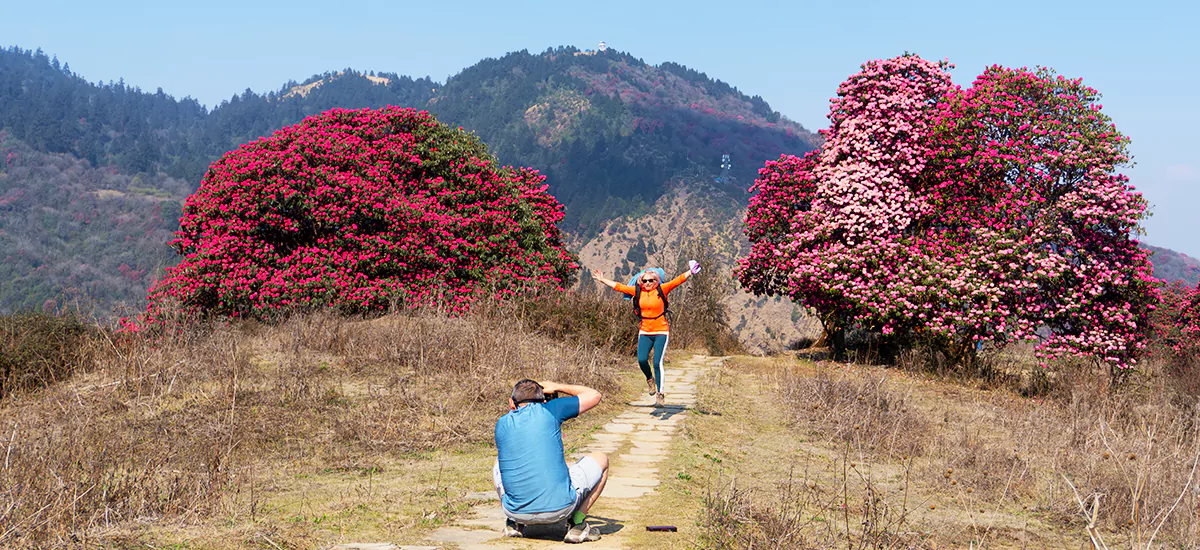
The weather in spring is warmer than in autumn. Days are pleasant, though it can get hot at lower altitudes. Up high, it’s still cool, and sometimes you’ll cross a pass where snow lingers. On routes like Everest Base Camp or the Annapurna Circuit, trekkers often find patches of snow that make the landscape even more beautiful.
One of my favorite memories is crossing Thorong La Pass in late April. There was still snow at the top, and the sky was that deep blue you only see at high altitude. Everyone was tired, but when we reached the prayer flags on the pass, the mix of colors, white snow, blue sky, bright flags; made the struggle worth it.
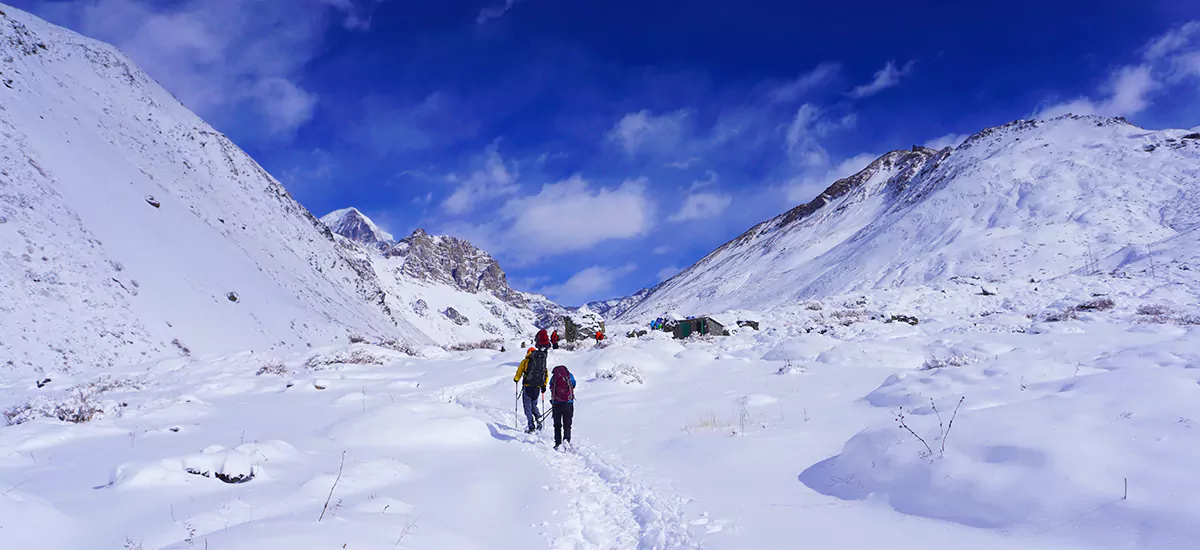
Spring trekking also feels more social. The trails are busy, but in a good way. You meet people from all over the world, all chasing the same dream. By the time you reach the teahouse in the evening, you’re swapping stories with strangers who often become friends.
Some hikers ask, “What about monso0n or winter? Can I trek then?”
Yes, you can, but those seasons bring extra challenges.
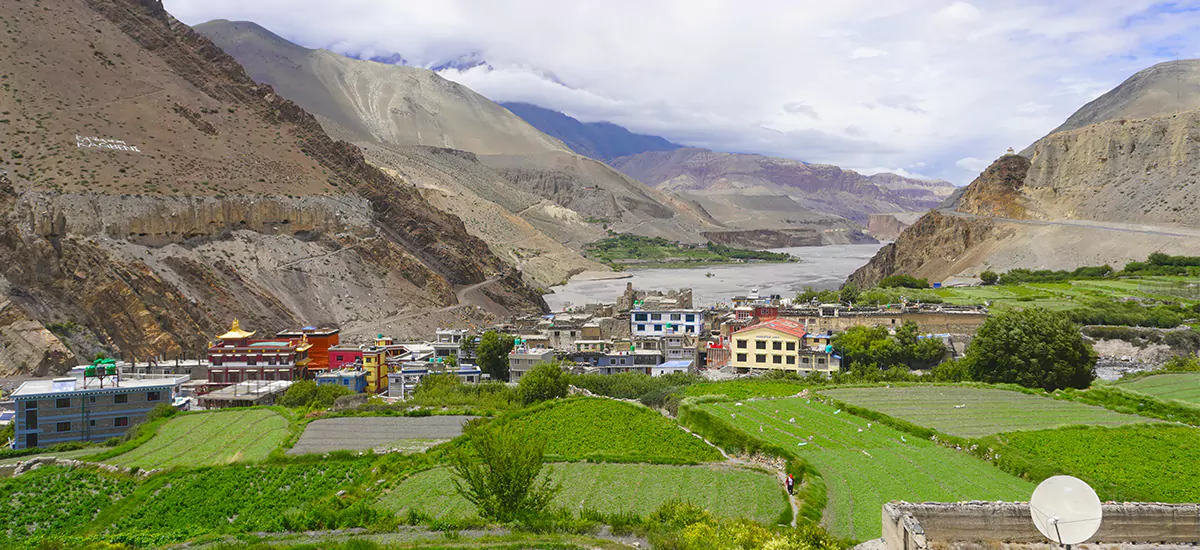
The monsoon, from June to August, means heavy rain in many regions. Trails get muddy. Leeches appear in the lower forests. Landslides and floods can block paths or roads. Safety becomes a big concern, which is why I always recommend trekking with a guide during this time if you do go. That said, certain areas, such as Upper Mustang or Nar Phu Valley, lie in the rain shadow and remain dry. Those are good choices for monsoon treks.
Winter, from December to February, has its own beauty. The skies can be clear, and the trails are quiet. But it’s cold. At higher altitudes, water freezes, snow blocks passes, and nights bite through even the thickest sleeping bag. Only some routes, such as the Tsum Valley or lower-altitude treks like Poon hill, are realistic then.
While trekking is possible year-round, autumn and spring are generally easier and more rewarding for most people.
Here’s a simple way to decide.
Both seasons offer comfort, beauty, and a good chance for safe trekking. Some people even return to Nepal just to experience the trails in the other season.
One thing people forget when planning a trek is that it’s not only about mountains. It’s also about the people and culture.
In autumn, you might be welcomed into a Dashain celebration with tika on your forehead and blessings for safe travel. In spring, you could see children playing Holi, throwing colors in the air, even in the hills. Both seasons let you connect with the rhythm of life in Nepal.
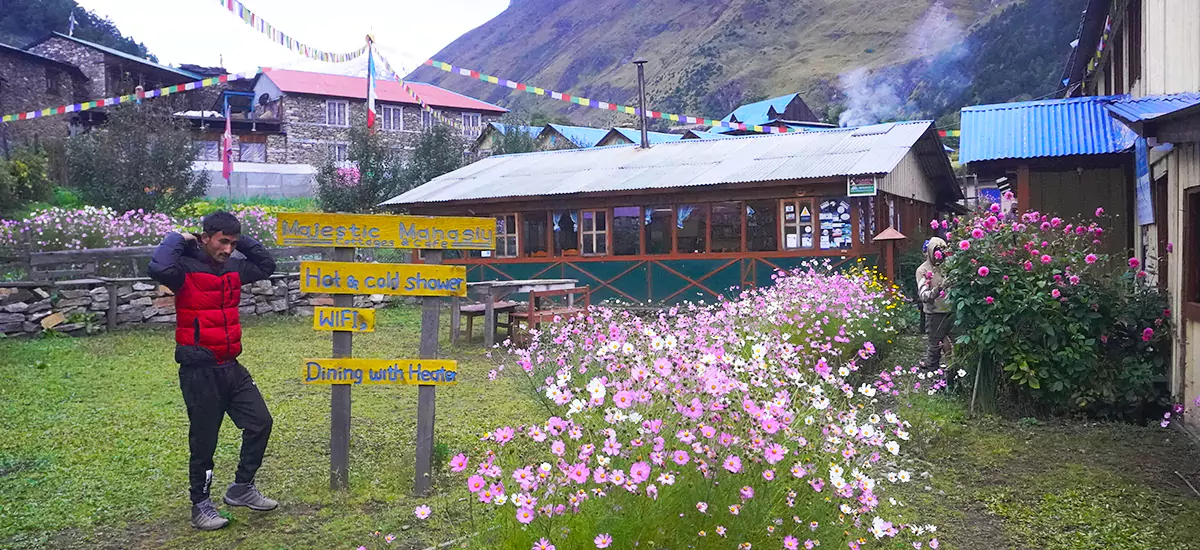
And when you sit in a teahouse, sipping hot tea after a long day, you’ll notice how these moments feel different depending on the season. In autumn, the air outside is sharp, and the stars feel closer. In spring, the evenings are softer, and you can smell flowers carried by the wind.
Since many people plan their trip based on these seasons, here are a few tips:
Respect local customs. Whether it’s a village festival or just a family you pass on the trail, a smile and a small respect go a long way.
Trekking in Nepal is not just about reaching a base camp or crossing a pass. It’s about the journey: walking through changing landscapes, sharing laughs with strangers, and watching mountains glow in the morning light.
And while Nepal is open for trekking all year, autumn and spring give you the best chance to see it at its finest.
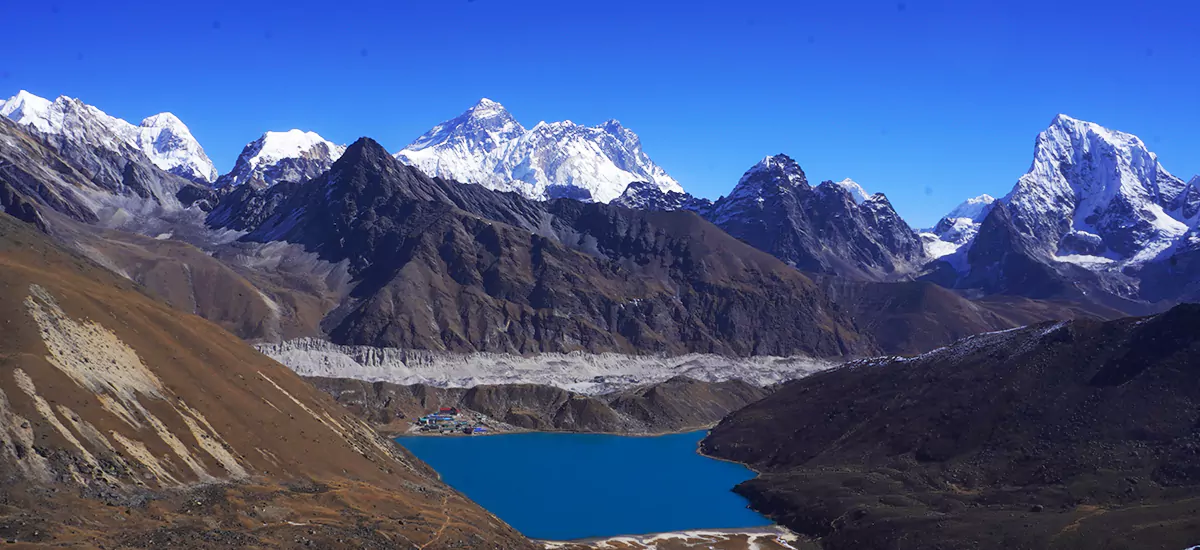
When I look back at my own treks, the clearest memories are from these seasons. The crunch of frosty grass under my boots in October. The burst of rhododendrons in April. The laughter of children during Tihar. The silence of snowy passes in spring.
If you’re considering trekking in Nepal, my advice is straightforward: visit in the autumn or spring. You’ll see the Himalayas at their best, and you’ll carry those memories with you for the rest of your life.
Have Questions?
Talk to our expert team and plan your trip.